
More than one Indigenous domestication history
Knowledge for understanding and preserving Turkeys.
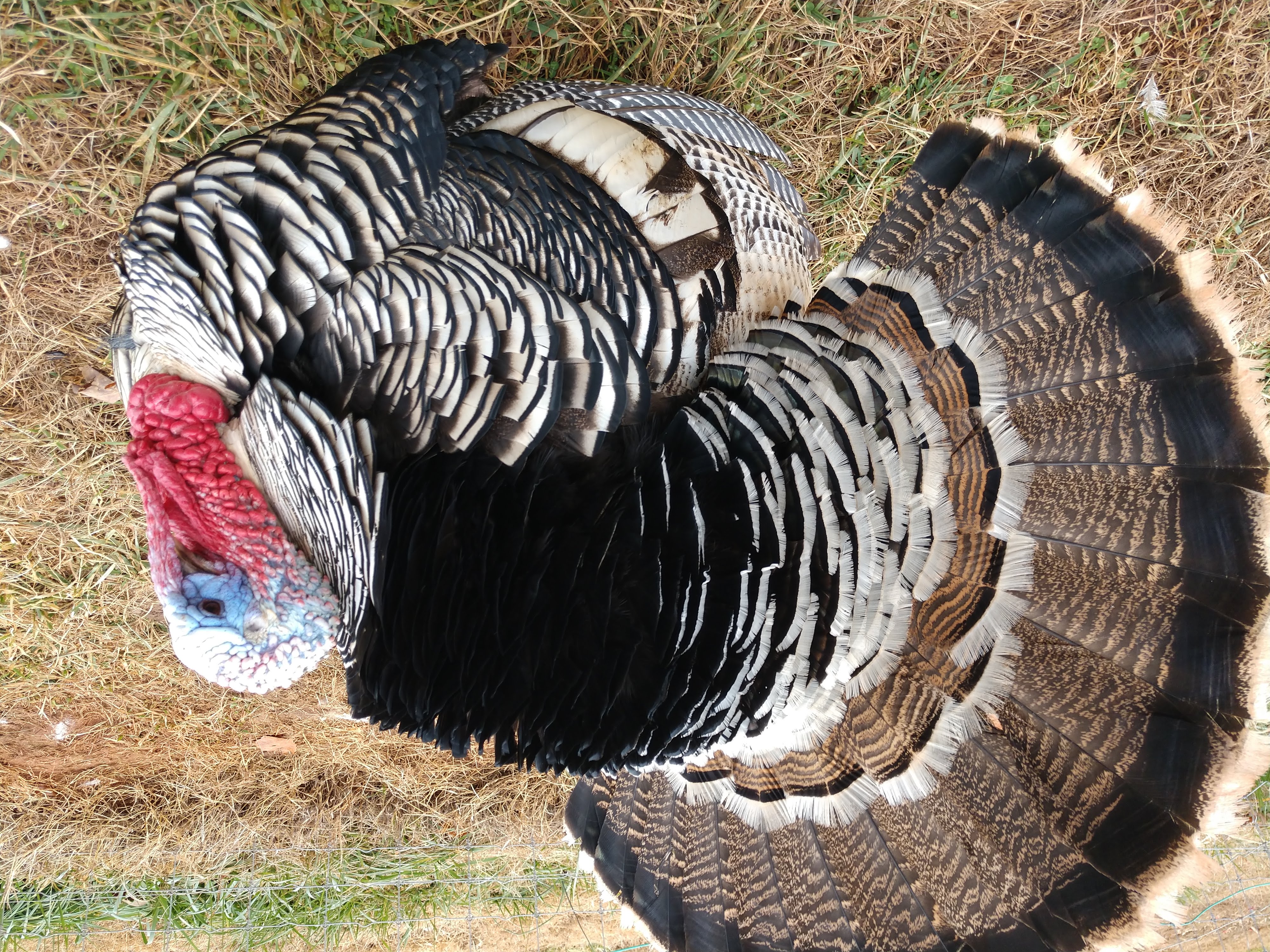
Ancient mitochondrial DNA research published in 2010 identified a distinctive domestic turkey lineage in the precontact southwestern United States and supported at least two occurrences of turkey domestication in North America. Southwestern and Mesoamerican histories should therefore not be collapsed into a single undifferentiated event. The study demonstrated that Indigenous husbandry involved organized and sophisticated breeding practices.
Mitochondrial DNA tracks maternal relationships, so these findings are not a complete map of every ancestor contributing to domestic turkeys. They also do not mean that a modern heritage variety is the direct, unchanged continuation of a particular archaeological flock. Domestic turkey history includes later movement, selection and breeding. Recognizing distinct early management traditions restores an important part of the animal’s history while retaining the limits of the genetic evidence. Archaeological bones and preserved droppings can carry biological information that complements the objects and settlements through which people’s relationships with turkeys are reconstructed.
Sources behind this article
This is original Conservation Legacy teaching informed by the sources below. Follow the official material for the full account and its context.