
The ground remembers: blackhead risk in a mixed poultry farm
Why chicken history matters when choosing turkey ground, and why diagnosis and prevention cannot be replaced by a remedy.
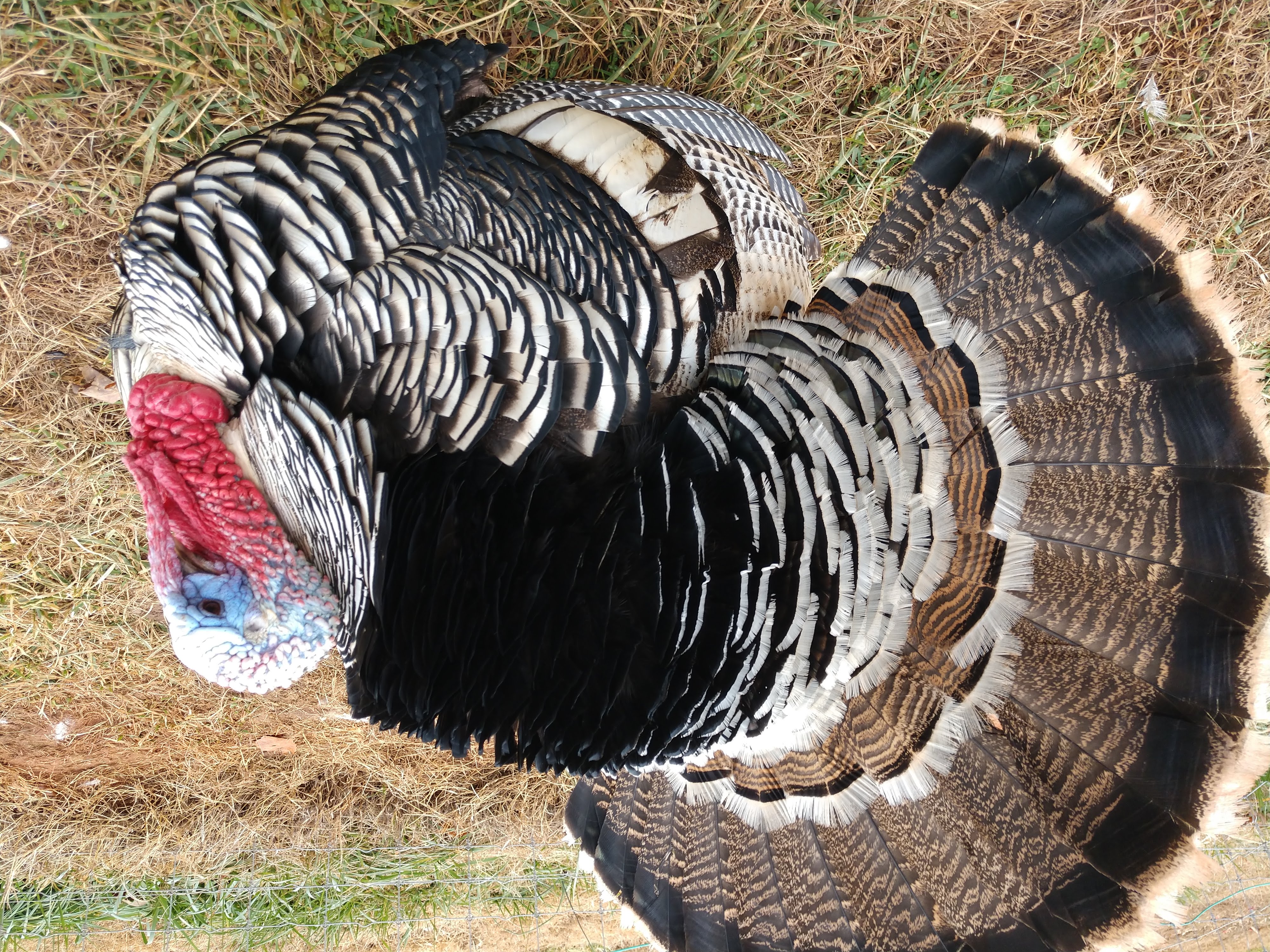
A misleading common name
Blackhead disease, or histomoniasis, is caused by Histomonas meleagridis and can seriously damage a turkey flock. The common name is misleading: Merck explains that an obviously black head is not a reliable defining sign. Waiting for that appearance can delay help. Prevention starts with understanding transmission and the history of the ground, rather than memorising a colour to look for. [1]
Chicken ground can carry risk
Chickens can carry the organism and the cecal worm involved in transmission while showing little illness. Infected worm eggs can persist in the environment, and earthworms can carry the worm stages. Thus, a field that looks empty and clean may still present risk. Merck advises raising turkeys apart from other galliform birds and avoiding chicken-contaminated ground. [1]
Separation includes equipment
Separate pens help, but traffic between them can move contamination. USDA’s biosecurity guidance identifies footwear, equipment and other movement as possible routes for poultry disease. For a small farm, assign a deliberate cleaning and entry routine rather than relying on a fence alone. Ask a poultry veterinarian how to manage a property that has already held chickens or had suspected histomoniasis. [2]
Recognise a reason to call
Drooping wings, reduced appetite, weakness or yellow droppings may be reasons for concern, but they do not diagnose histomoniasis. FDA describes damage to the ceca and liver and the particular susceptibility of turkeys. A veterinarian or diagnostic laboratory can distinguish this disease from other causes of illness. Arrange assessment promptly and ask how to handle samples or a dead bird safely. [3]
Know the treatment limits
FDA states that there are currently no animal drugs approved to prevent, treat or control blackhead disease in the United States. Older accounts of nitarsone use should not be treated as current instructions: its approval was withdrawn after marketing ceased. That regulatory history makes prevention especially important. Online claims about household remedies are not equivalent to evidence of a safe, effective treatment. [3]
Make the land history part of the record
Conservation Legacy field exercise: map where chickens and turkeys have lived, keep dates of flock movements and record any laboratory diagnoses. Link the map with bird identities and breeding records. There is no universal short waiting period that this article can promise makes contaminated ground safe. Preserving the land history gives the next keeper something concrete to discuss with a veterinarian before valuable breeding birds arrive.
What the evidence can tell us
Veterinary and regulatory guidance supports transmission and prevention advice. Signs do not confirm diagnosis, and no safe ground-rest interval or effective home remedy is claimed.
The field exercises are Conservation Legacy suggestions for recording observations. They are not clinical tests or breed-specific performance standards.
Sources behind this article
This is original Conservation Legacy teaching informed by the sources below. Follow the official material for the full account and its context.