
Designing a living range: general turkey husbandry
Knowledge for understanding and preserving Turkeys.
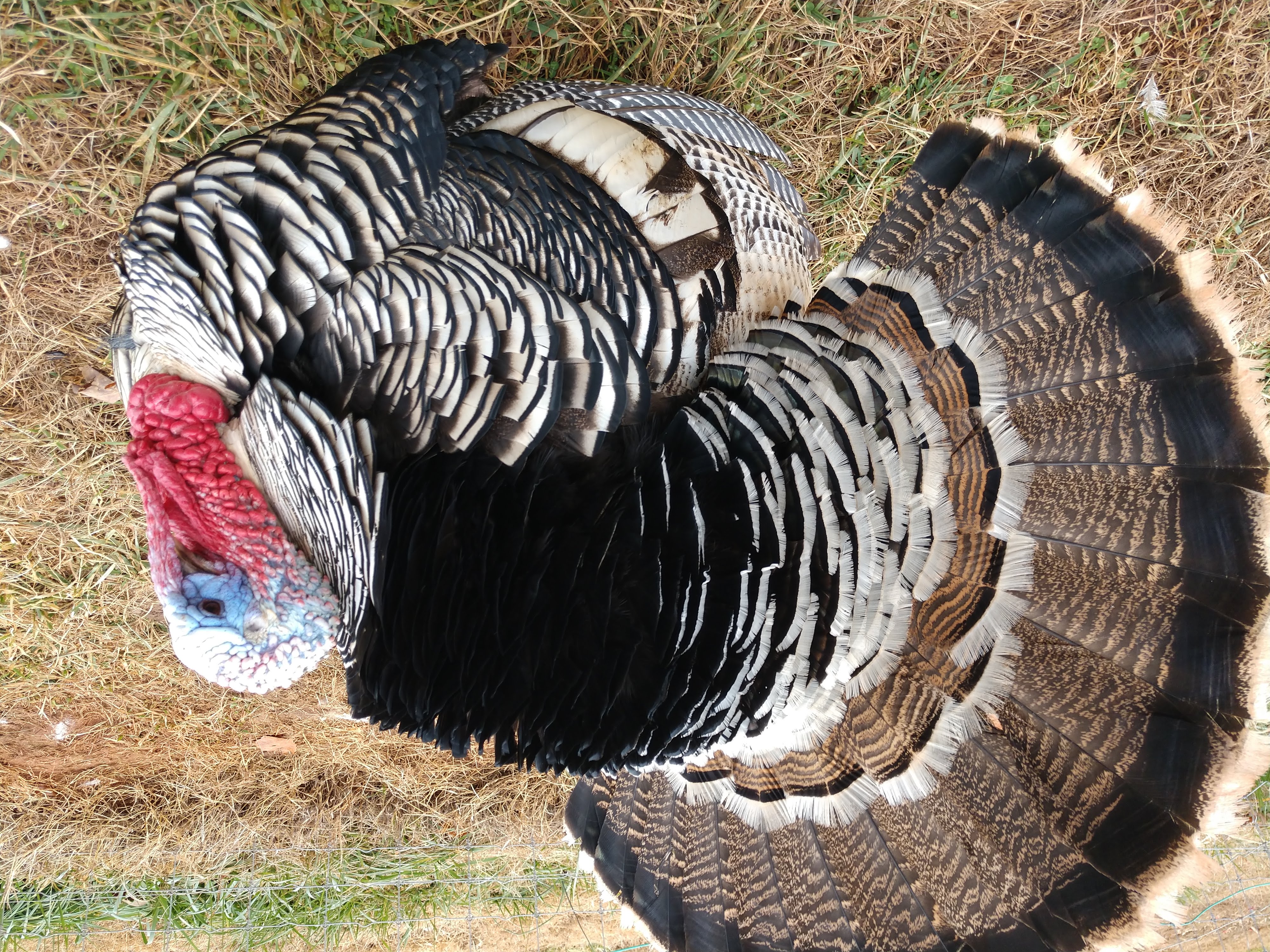
Pastured turkeys need more than an open field. NCAT describes systems that combine outdoor access with shelter, shade, dependable water, supplied feed and suitable roosts. Heritage birds can fly and may leave a range lacking resources or resting places; a boundary fence is not automatically a complete containment or predator-protection system.
Match housing and perches to adult size. Check doors, latches, gaps and the ground edges of mobile structures for routes predators can use. Rotate access before birds strip vegetation and concentrate excessive manure in one place. Ground cover, soil, rainfall and stocking pressure change how rapidly a paddock is depleted, so there is no universal acreage figure for every location. Avoid persistently muddy or standing-water areas. These are general pasture-management principles for turkeys. A variety's reputation for ranging ability still needs to be matched with safe housing and a resource supply that lasts through the season.
Sources behind this article
This is original Conservation Legacy teaching informed by the sources below. Follow the official material for the full account and its context.