
Why mixing with chickens can create extra risk
Knowledge for understanding and preserving Turkeys.
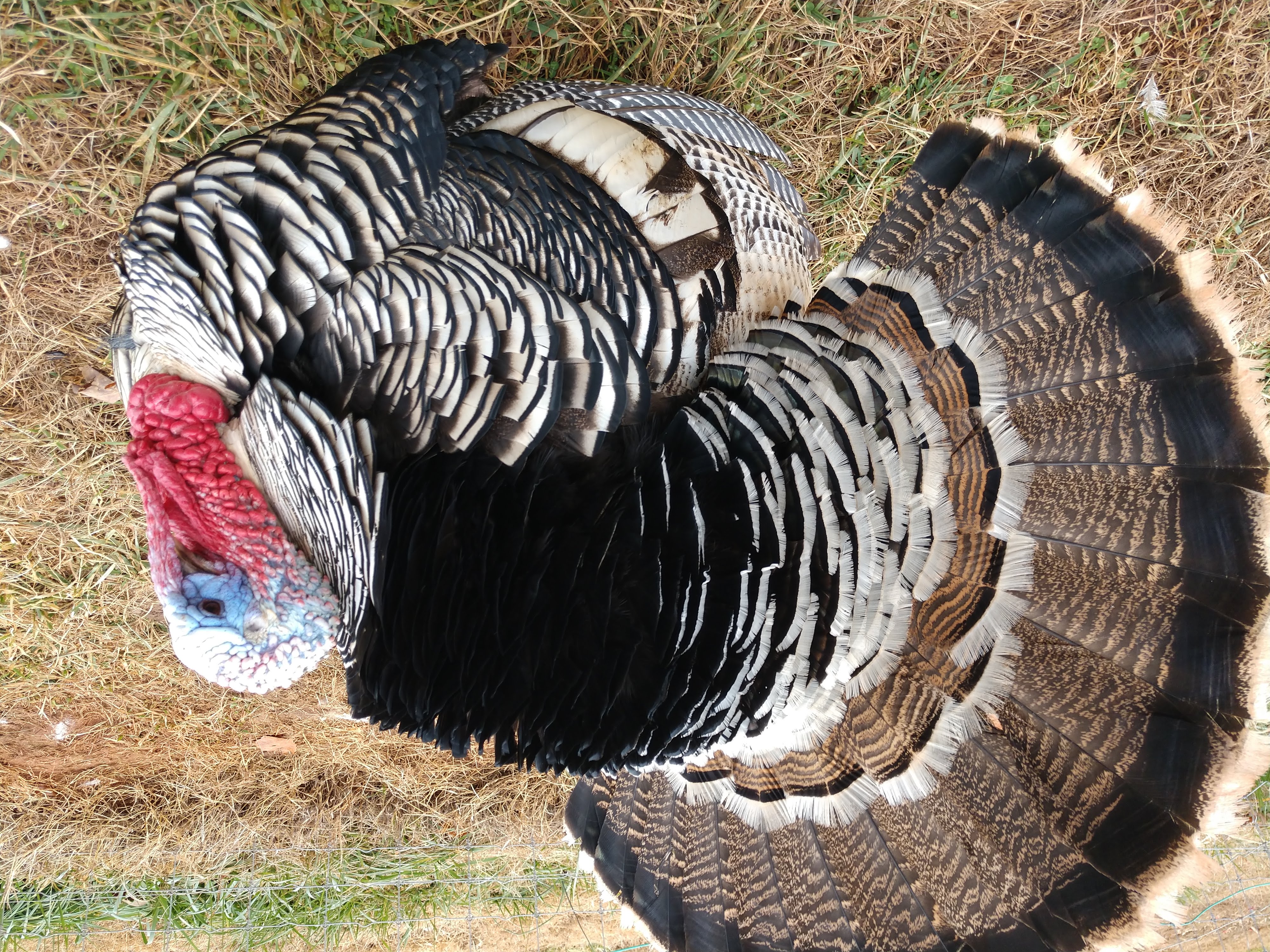
Penn State Extension explains that keeping chickens and turkeys on the same site increases disease risk to turkeys. Histomoniasis, commonly called blackhead, involves a protozoal parasite that can be carried through a cecal worm. Chickens may contribute to this infection cycle without being affected in the same way as turkeys.
This makes a mixed flock more than a housing decision. Shared ground and manure matter alongside direct contact. A poultry veterinarian should help assess the site and appropriate separation rather than assuming that apparently healthy chickens pose no risk.
Penn State also describes Mycoplasma infections that can be carried in backyard flocks and, in some cases, transmitted through breeding birds. Source and health history therefore matter when obtaining poults or breeding stock.
Not every intestinal parasite is shared between chickens and turkeys. The coccidia affecting these birds are host-specific, another reason that chicken medication or prevention practices should not be copied without advice.
Signs such as poor appetite, respiratory difficulty or altered movement can have several causes. Diagnosis and locally appropriate control belong with a veterinarian or diagnostic laboratory.
Sources behind this article
This is original Conservation Legacy teaching informed by the sources below. Follow the official material for the full account and its context.