
Bones can record relationships with people
Knowledge for understanding and preserving Turkeys.
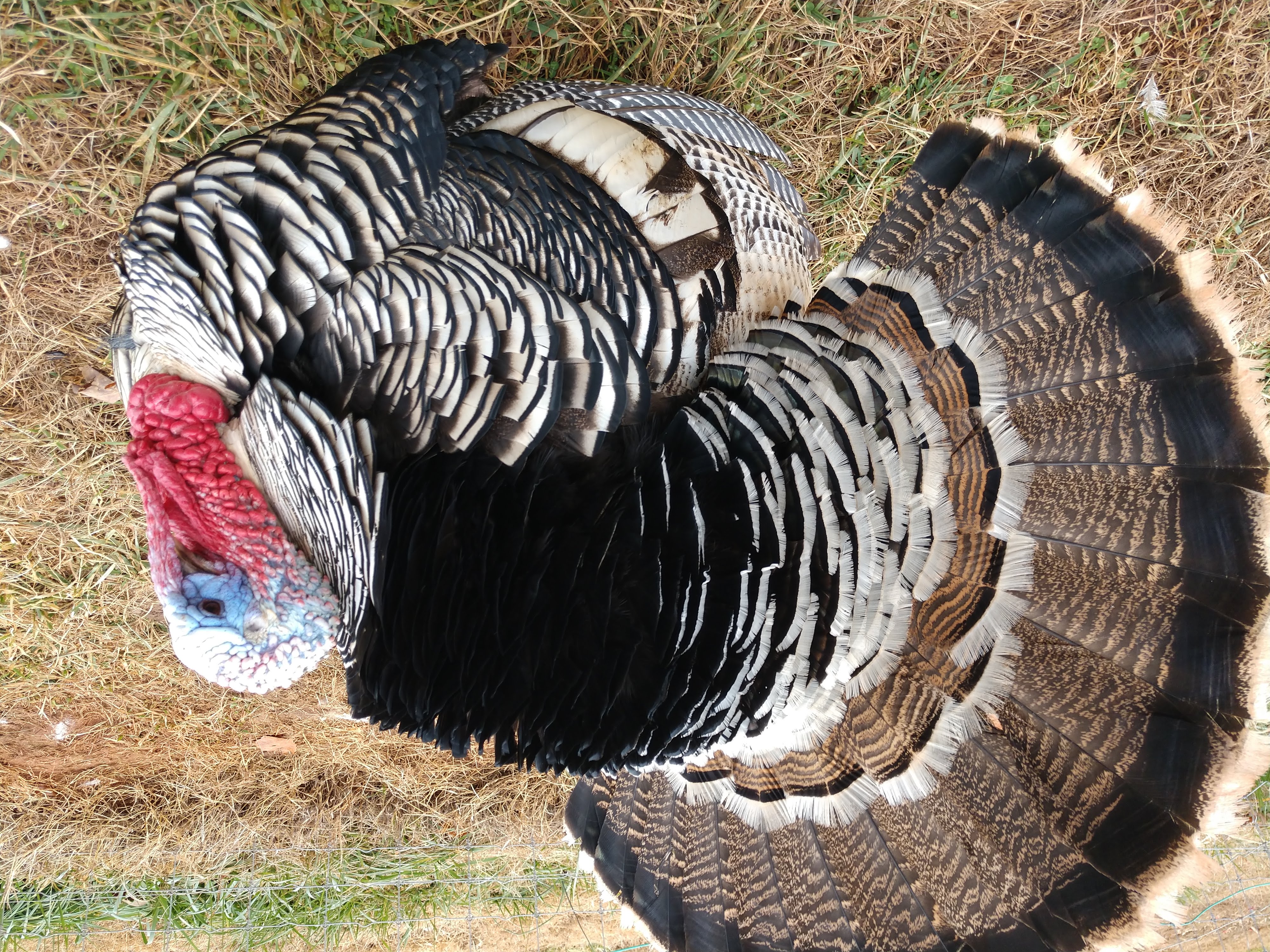
A 2018 study combined ancient mitochondrial DNA with stable-isotope analysis of archaeological turkey remains from Mexico. The two methods address different questions. DNA investigates biological relationships, while carbon and nitrogen isotope patterns contribute evidence about feeding and food webs. Their combination helps distinguish ways people obtained, fed and maintained turkeys.
An isotope value is not a surviving menu. Interpretation depends on local foods, environmental conditions, the tissue sampled and comparisons with other evidence. Nor does a bird found at a settlement automatically prove that it was bred there. The study emphasized diverse management strategies and remaining uncertainty about the timing and intensity of domestication. This approach shows why teaching turkey history requires more than a modern breed chart: biological material can reveal variation in human–animal relationships, including degrees of captivity and provisioning, while archaeological context is needed to turn laboratory measurements into a responsible historical account.
Sources behind this article
This is original Conservation Legacy teaching informed by the sources below. Follow the official material for the full account and its context.