
Why heat affects a pig differently
Knowledge for understanding and preserving Pigs.
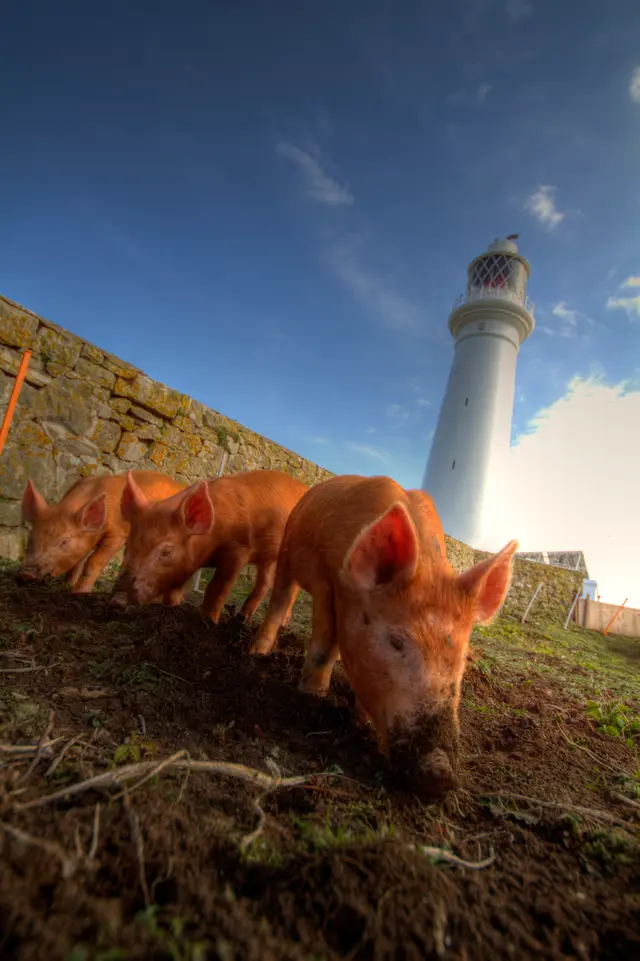
Pigs have limited effective cooling through sweating. Their thermal biology therefore differs from that of animals that lose substantial heat through active sweat glands. Blood flow toward the skin, respiratory heat loss and behavior become important when environmental temperature rises. Air temperature alone does not describe the challenge: humidity, solar radiation, airflow and the animal’s own heat production affect whether heat can leave the body.
Age and body size also matter. A newborn piglet can lose heat rapidly, while a large adult may struggle to shed it. Seeking shade, a cool surface or a wallow is therefore connected to physiology rather than merely untidiness. Fine hair and subcutaneous fat influence heat exchange, but neither a thick coat nor a heritage label guarantees tolerance of every climate. Research on thermoregulation separates mechanisms from assumptions, helping explain why thermal comfort must be interpreted for the individual animal and its environment.
Sources behind this article
This is original Conservation Legacy teaching informed by the sources below. Follow the official material for the full account and its context.