
Rooting, shelter and usable space
Knowledge for understanding and preserving Pigs.
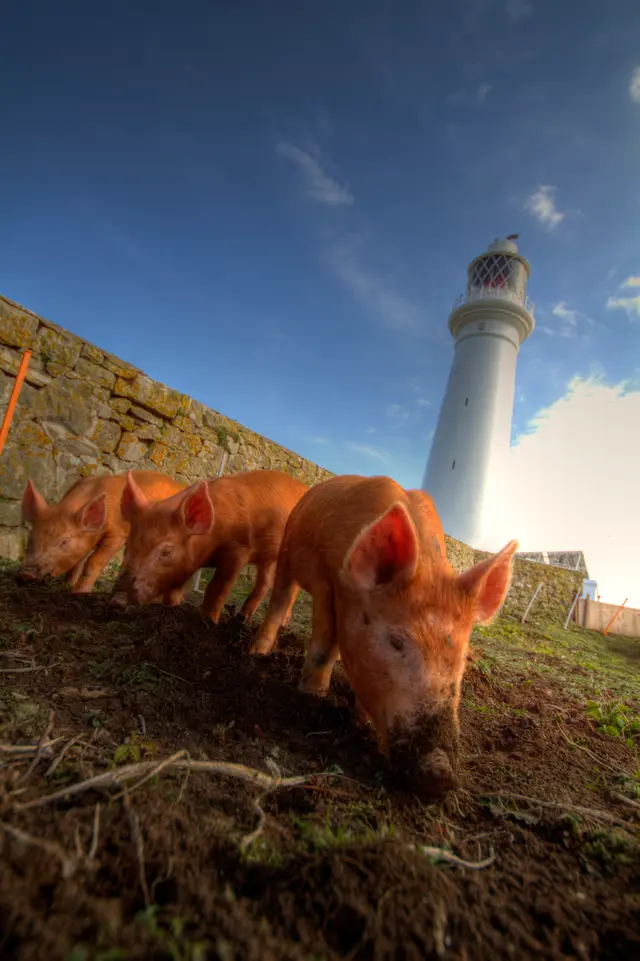
Rooting is an ordinary pig behaviour with consequences for land management. Penn State Extension explains that outdoor pigs can disturb soil, create holes and produce muddy areas. The space required outdoors therefore concerns manure distribution and the condition of the land as well as the physical size of the animals.
Pigs still need shelter when kept on pasture. A useful shelter provides relief from weather and supports temperature management. Its effectiveness depends on ventilation, drainage and how the pigs use it, rather than on whether it looks substantial.
Feed, drinking and resting areas interact. Wet areas and manure should not make the bedding or feed dirty. Observing where pigs actually lie, drink and eliminate helps identify whether the arrangement is working.
Outdoor management needs regular reassessment as animals grow and the season changes. A pen suitable when dry may become difficult after repeated rain and rooting. Safe fencing must be maintained alongside the ground around it. The aim is an environment that supports ordinary behaviour while giving the pigs clean resources and protecting soil and water from avoidable damage.
Sources behind this article
This is original Conservation Legacy teaching informed by the sources below. Follow the official material for the full account and its context.