
Domestic pigs acquired new wild ancestry
Knowledge for understanding and preserving Pigs.
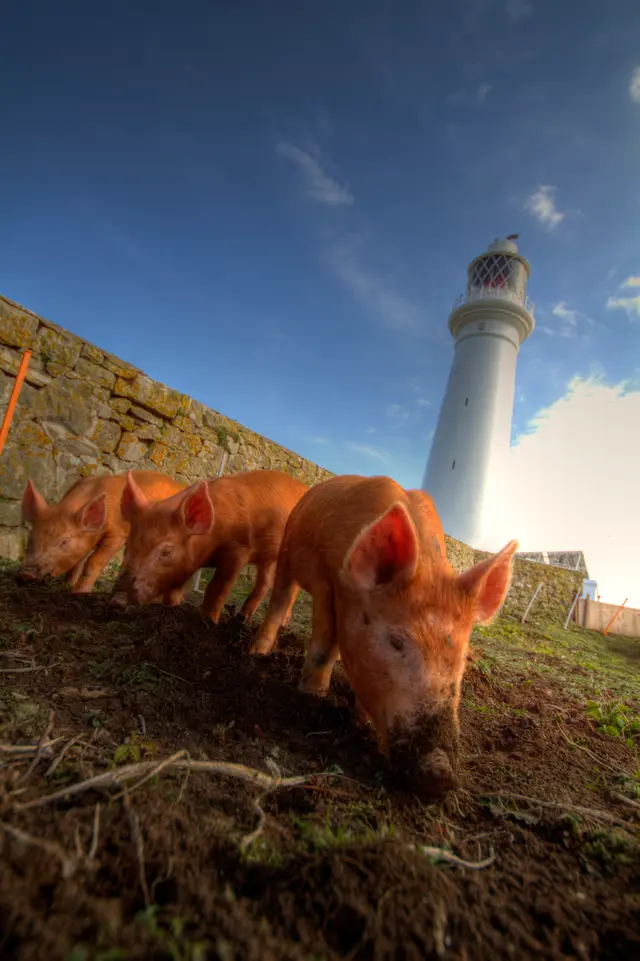
Ancient DNA changed the interpretation of European pig history. A 2019 study found that pigs initially introduced from the Near East later underwent a near-complete turnover in genomic ancestry as European wild boar contributed to domestic populations. This was not simply a separate European domestication event. People continued maintaining domestic pigs while much of the underlying ancestry changed.
The result shows how domestication and gene flow can coexist. A domestic population need not remain genetically sealed from its wild relatives. Selection by people can continue acting on animals whose ancestry is becoming mixed. It also cautions against treating a breed name as a direct label for prehistoric origin. Modern heritage pigs descend through much more recent breeding histories within the species Sus scrofa. The study concerns broad ancient relationships and sampled populations; it cannot reconstruct the complete pedigree or conservation condition of an individual modern breed.
Sources behind this article
This is original Conservation Legacy teaching informed by the sources below. Follow the official material for the full account and its context.