
A monogastric animal needs a balanced ration
Knowledge for understanding and preserving Pigs.
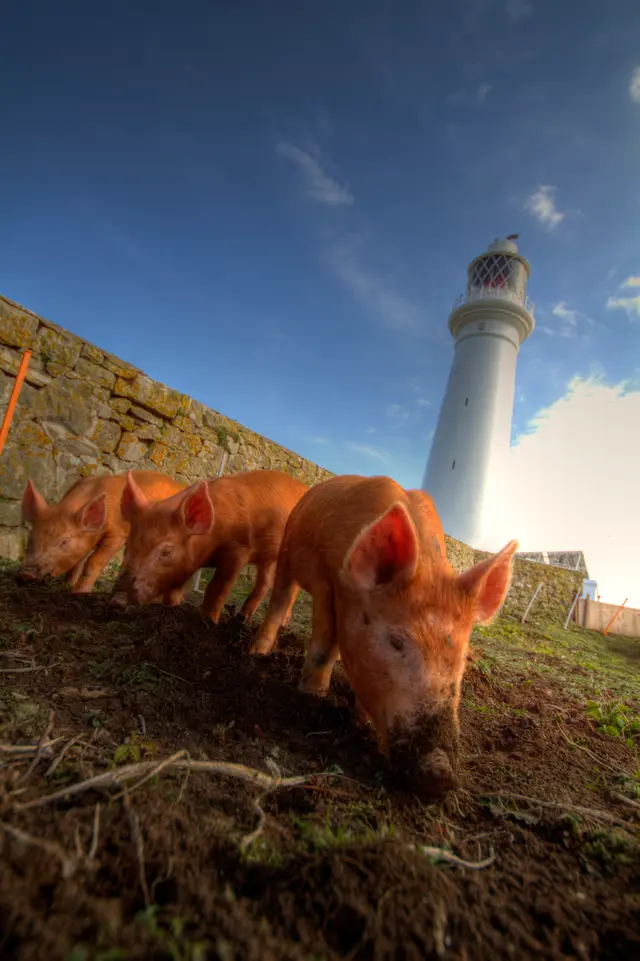
Pigs are monogastric animals, and their nutritional needs differ from those of cattle and sheep. Penn State Extension emphasizes that feed composition directly affects growth and well-being. A pig's ability to eat many kinds of material does not mean every mixture supplies an appropriate balance of nutrients.
Energy, protein and the amino acids within that protein all matter. Life stage changes the purpose of the diet: a growing pig, a pregnant sow and a nursing sow should not be treated as identical feeding situations. The word protein on a feed label is only part of the nutritional picture.
Pasture can offer activity and opportunities to forage without becoming a complete diet by itself. A breed described as suited to outdoor management still needs nutritional assessment. Rustic appearance and historical use do not cancel the biological requirements of growth or lactation.
A feeding history should identify the actual ration, storage condition and water supply. It should also record changes and whether each animal can reach the feed. A qualified swine nutrition professional or veterinarian can interpret that history in relation to condition and growth, rather than relying on the assumption that a pig will find everything it needs.
Sources behind this article
This is original Conservation Legacy teaching informed by the sources below. Follow the official material for the full account and its context.