
Cold stress is an energy demand
Knowledge for understanding and preserving Pigs.
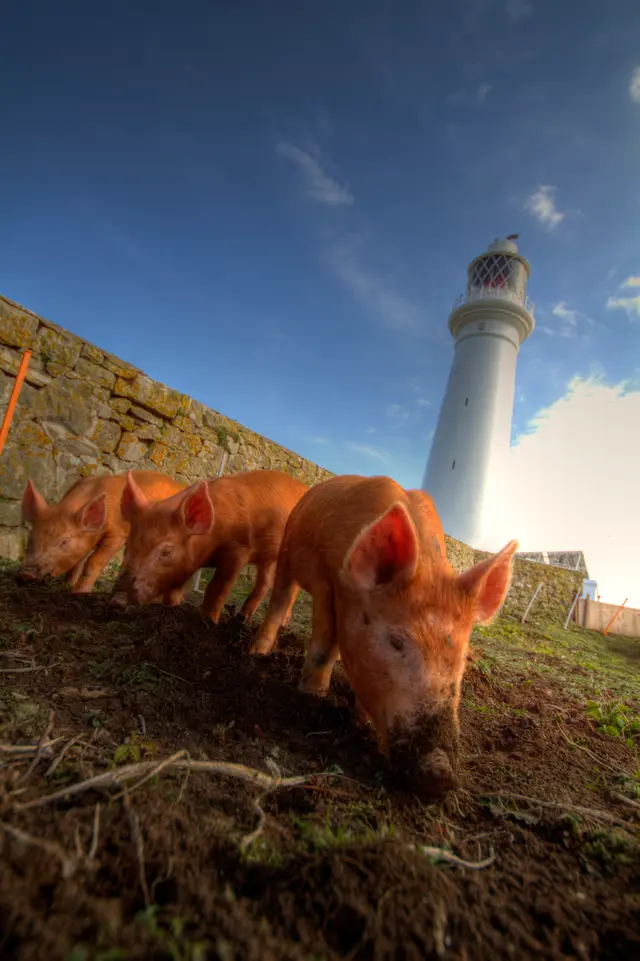
Penn State Extension describes winter pig management in terms of heat loss and the animal's ability to compensate. Cold conditions can divert energy toward maintaining body temperature. Age, body size, bedding, air movement and the design of shelter influence the practical effect.
Keeping a pig out of rain is only part of the task. Damp bedding and drafts can make a resting place uncomfortable even beneath a roof. At the same time, ventilation remains necessary to remove moisture and maintain air quality.
Growth and feed intake should be considered in the context of the environment. A change in performance during cold weather cannot automatically be attributed to the breed or to poor-quality feed. The animal may be spending more energy on warmth, or an equipment problem may be restricting water.
Small piglets and larger pigs require different environmental assessment. A cold-weather plan should anticipate reliable drinking water, dry resting areas and safe equipment. Decisions about ration changes and housing should use local swine advice and the conditions of the actual animals, rather than one temperature or shelter specification applied to every heritage herd.
Sources behind this article
This is original Conservation Legacy teaching informed by the sources below. Follow the official material for the full account and its context.