
Geese
Care foundations
One living story. Knowledge kept together.
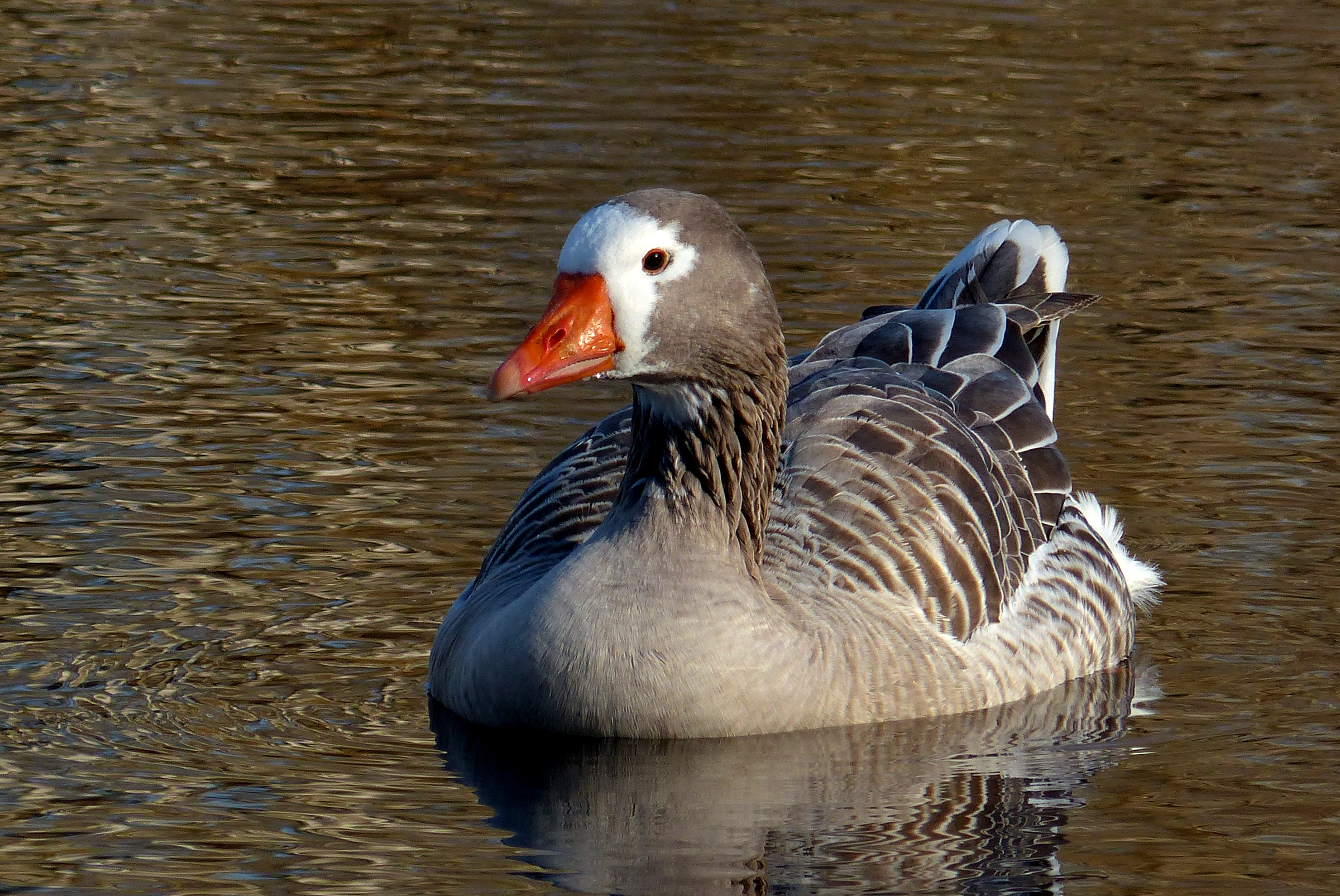
Pilgrim goose photographed by Bernard Spragg. · Bernard Spragg. NZ · CC0 · License terms
Understanding geese: care foundations
Geese can consume substantial amounts of pasture vegetation. Their digestive system has adaptations for high-fiber feed, but pasture contribution depends on plant quality, season, bird size and breed. Grazing should therefore be explained as one component of nutrition, with needs assessed throughout growth and reproduction. Goslings require different management from mature birds. As domestic poultry, geese also need reliable drinking water, suitable shelter and protection from disease introduction. Domestic heritage geese should be distinguished from wild protected waterfowl in both identity and care explanations.
These are general species foundations. The breed's own history and traits help explain how it developed, while an individual animal's age, environment and purpose shape its daily needs. Preservation includes keeping animals healthy enough to express normal behavior and maintain future generations. Compare dependable husbandry guidance with breed registry descriptions, and distinguish inherited traits from assumptions about toughness. Teaching the reasons behind care decisions gives readers a stronger foundation than applying one feeding formula to every animal.
Cooperative Extension Poultry · Cooperative Extension Poultry · Cooperative Extension Poultry · USDA APHIS
Read the species care foundation guide →Grass is useful, but goslings still need a feeding plan
Understanding goose grazing, growing birds and the practical limits of free-range assumptions.
Geese are well known for grazing. University of Kentucky extension guidance describes adaptations and feeding behaviour that allow them to consume substantial amounts of fibrous material. This explains why grass can contribute meaningfully to a goose system. It does not mean that geese are ruminants or that any patch of vegetation meets all the needs of growing or breeding birds. [1]
Start goslings on a suitable complete feed. The extension feeding article distinguishes early feeding from later grass use, while the flock-management article describes feeding and rearing stages. A feeding plan should say what is provided and how access changes with development. Do not substitute an adult flock’s grazing routine for the needs of small goslings or assume visible pecking demonstrates adequate nutrient intake. [1,2]
Pasture quality, available area and season affect what birds can obtain. The raising-geese guidance connects stocking and feeding decisions with the management system. A practical pasture review should note vegetation actually eaten and areas repeatedly cropped or fouled. Supplemental feeding needs assessment when available forage changes. These observations help explain the farm’s choices; they are not a formula for a universal number of geese per acre. [2]
Feeding is only one part of rearing. Extension guidance for poultry hatchlings stresses suitable feeding and watering equipment for small birds and the risk of becoming wet and chilled. Check that goslings can drink without becoming trapped or soaking their resting area. Adapt warmth, shelter and equipment as birds develop. A species associated with water still needs a dry, protected place to rest. [3]
USDA APHIS warns that apparently healthy wild waterfowl can carry disease. Protect domestic feed and water from wild-bird contact, and review any shared surface-water access. Sudden flock illness or deaths need prompt professional advice. This is a biosecurity consideration for all goose breeds; a bird’s grazing ability does not make it immune to infectious disease. [4]
Conservation Legacy field exercise: record hatch dates, parentage where documented, feed, seasonal pasture conditions and breeding outcomes. Compare like with like when discussing growth or fertility. A summer flock on good pasture and a winter flock receiving stored feed represent different environments. Keep those differences visible so a future reader can distinguish an inherited characteristic, an owner’s observation and a result produced under one particular system.
A grazer with an avian digestive system
Geese can consume substantial quantities of forage, but their digestive system remains avian rather than ruminant. Cooperative Extension describes adaptations including the gizzard's grinding action. A goose grazing beside sheep is not obtaining nutrients through a sheep's rumen.
Pasture can contribute to feeding, yet its value changes with plant condition and season. Young birds and breeding adults need assessment appropriate to their stage. Access to grass alone does not establish a complete nutritional balance.
The amount of useful forage is also different from the area inside the fence. Bare or mature ground and heavily used sections may supply little of what the birds need. Observe both the pasture and the condition of the geese rather than assuming that outdoor access answers every feeding question.
Appropriate feed and clean water should be considered together. Feed needs to remain dry and protected from contamination even where birds readily splash water nearby. A qualified poultry adviser can assess the balance of forage and other feed. The practical lesson is to value the goose's grazing ability without turning it into a claim that supplemental nutrition or monitoring is unnecessary.
Egg handling and the developing gosling
FAO's goose-production manual explains that incubation begins with the collection and handling of eggs, before they enter a machine or a broody bird's nest. The condition and history of the egg affect the developing embryo.
The manual distinguishes forced-air and still-air equipment and notes that waterfowl incubation has requirements different from those of other poultry. This is a reason to follow suitable equipment guidance rather than copying chicken settings indiscriminately.
Temperature, humidity, turning and ventilation work together. An embryo needs oxygen as well as warmth, and overheating can cause serious harm. A maintained incubator should be checked for how it actually performs, not only for what the controls display.
Natural incubation also requires an appropriate nest and access to food and water for the broody bird. Broodiness is a behavioural state, not a guarantee that every egg is fertile or that every embryo will hatch.
A successful hatch begins another stage of care. Goslings need a prepared environment, suitable feed and water, and observation. Learning the sequence helps distinguish fertility, embryonic development and newborn survival, rather than attributing every loss to one cause.
The laying season and the breeder flock
FAO's breeder-flock chapter describes management across holding, pre-laying and laying periods. These stages have different nutritional and environmental demands. Breeding geese should not be treated as though they are growing meat birds throughout the year.
Egg production places demands on the female, while the condition and functioning of both sexes affect breeding outcomes. A plentiful egg count does not establish fertility, and fertility does not establish that incubation will succeed.
Season and lighting are part of the breeding context. Management examples from a production manual describe particular systems and should not become universal expectations for every heritage breed or climate.
Observation should include body condition, feeding and interactions within the flock. A breeding arrangement must remain safe and allow access to resources. A bird being repeatedly excluded or injured needs attention even when the group is producing eggs.
The practical teaching point is to consider the adults and offspring together. A conservation aim should include the health and continued usefulness of breeding birds rather than focus only on the number of eggs set. Reliable parent identification and dated breeding records support later interpretation, while individual reproductive problems require qualified assessment.
Goslings, pasture and a usable shelter
Cooperative Extension's small-flock goose guidance distinguishes the brooding period from later rearing on range or in confinement. Goslings need protection while young; the adult goose's apparent independence should not be projected onto a newly hatched bird.
The brooding environment must permit access to feed and water and provide suitable warmth. A wet resting area can undermine otherwise adequate equipment. Observe the young birds to see whether all are using the resources.
As geese grow, pasture may become a useful component of management. Its carrying capacity depends on the birds and the actual forage, so a published stocking example should not be treated as a promise for every property.
Shelter and predator protection remain relevant outdoors. A large bird can still be vulnerable, and a reputation for vigilance does not make geese a substitute for secure housing. Gates, fencing and water arrangements should be assessed for the birds actually present.
Daily observation should connect condition, movement and use of the environment. A goose that remains apart, eats less or has difficulty walking needs closer assessment. Good rearing follows changing needs over time, rather than assuming that moving the flock onto grass completes the care plan.
Sources for general species learning
Keep learning from official information.
These research portals help locate further material. A search link is a route for exploration; it is separate from the sources used for the article above. Domestic breed information, wild-species assessment, historical books and new research need their own context.
- FAO DAD-IS · Domestic breed information
- IUCN Red List · Species assessments
- Biodiversity Heritage Library · Historical literature search
- USDA National Agricultural Library · Research search
- Google Scholar · Scholarly literature search
- Open Library · Book catalogue search
- HathiTrust · Digitized catalogue search