
A grazer with an avian digestive system
Knowledge for understanding and preserving Geese.
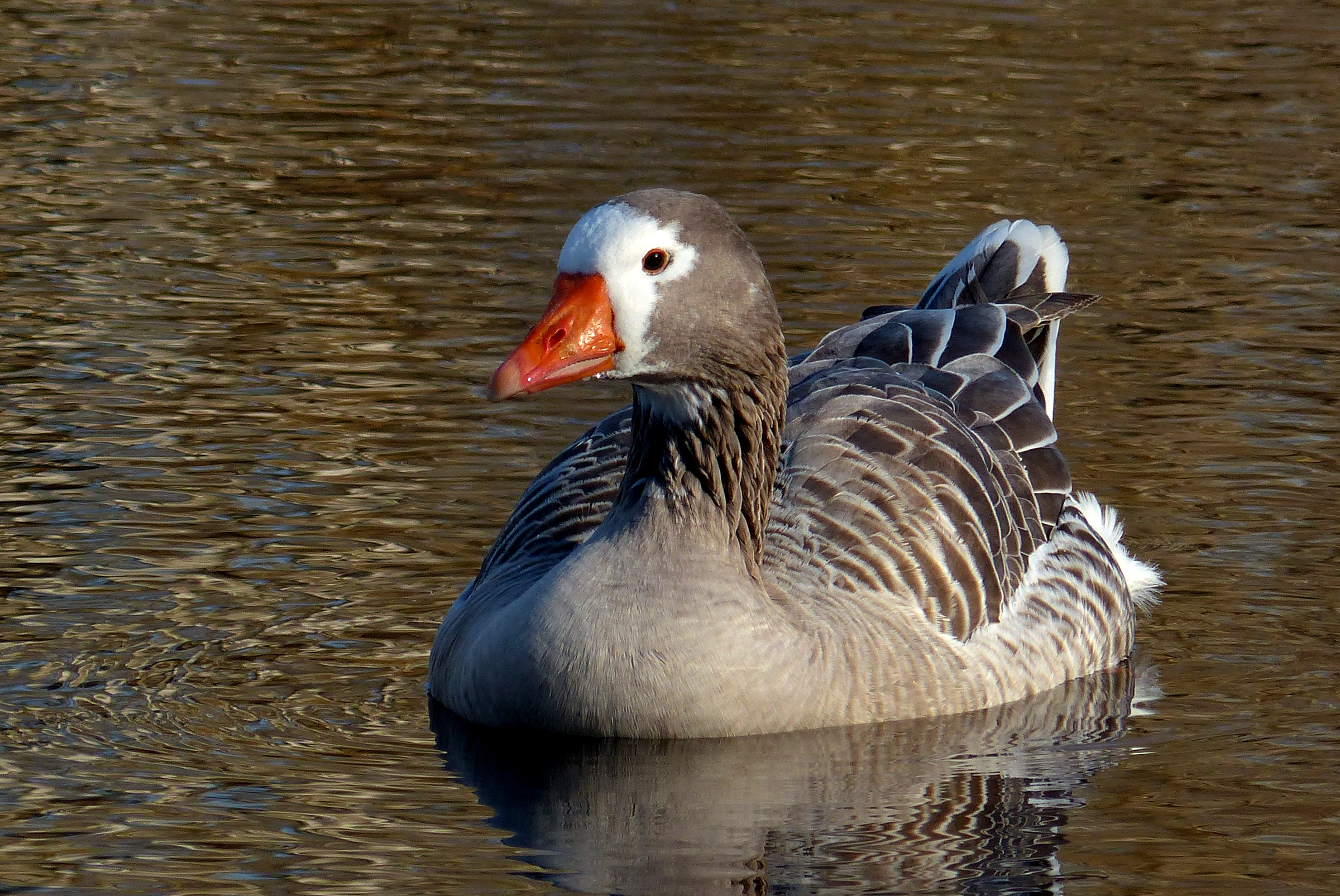
Geese can consume substantial quantities of forage, but their digestive system remains avian rather than ruminant. Cooperative Extension describes adaptations including the gizzard's grinding action. A goose grazing beside sheep is not obtaining nutrients through a sheep's rumen.
Pasture can contribute to feeding, yet its value changes with plant condition and season. Young birds and breeding adults need assessment appropriate to their stage. Access to grass alone does not establish a complete nutritional balance.
The amount of useful forage is also different from the area inside the fence. Bare or mature ground and heavily used sections may supply little of what the birds need. Observe both the pasture and the condition of the geese rather than assuming that outdoor access answers every feeding question.
Appropriate feed and clean water should be considered together. Feed needs to remain dry and protected from contamination even where birds readily splash water nearby. A qualified poultry adviser can assess the balance of forage and other feed. The practical lesson is to value the goose's grazing ability without turning it into a claim that supplemental nutrition or monitoring is unnecessary.
Sources behind this article
This is original Conservation Legacy teaching informed by the sources below. Follow the official material for the full account and its context.