
Two wild ancestral species, complex domestic populations
Knowledge for understanding and preserving Geese.
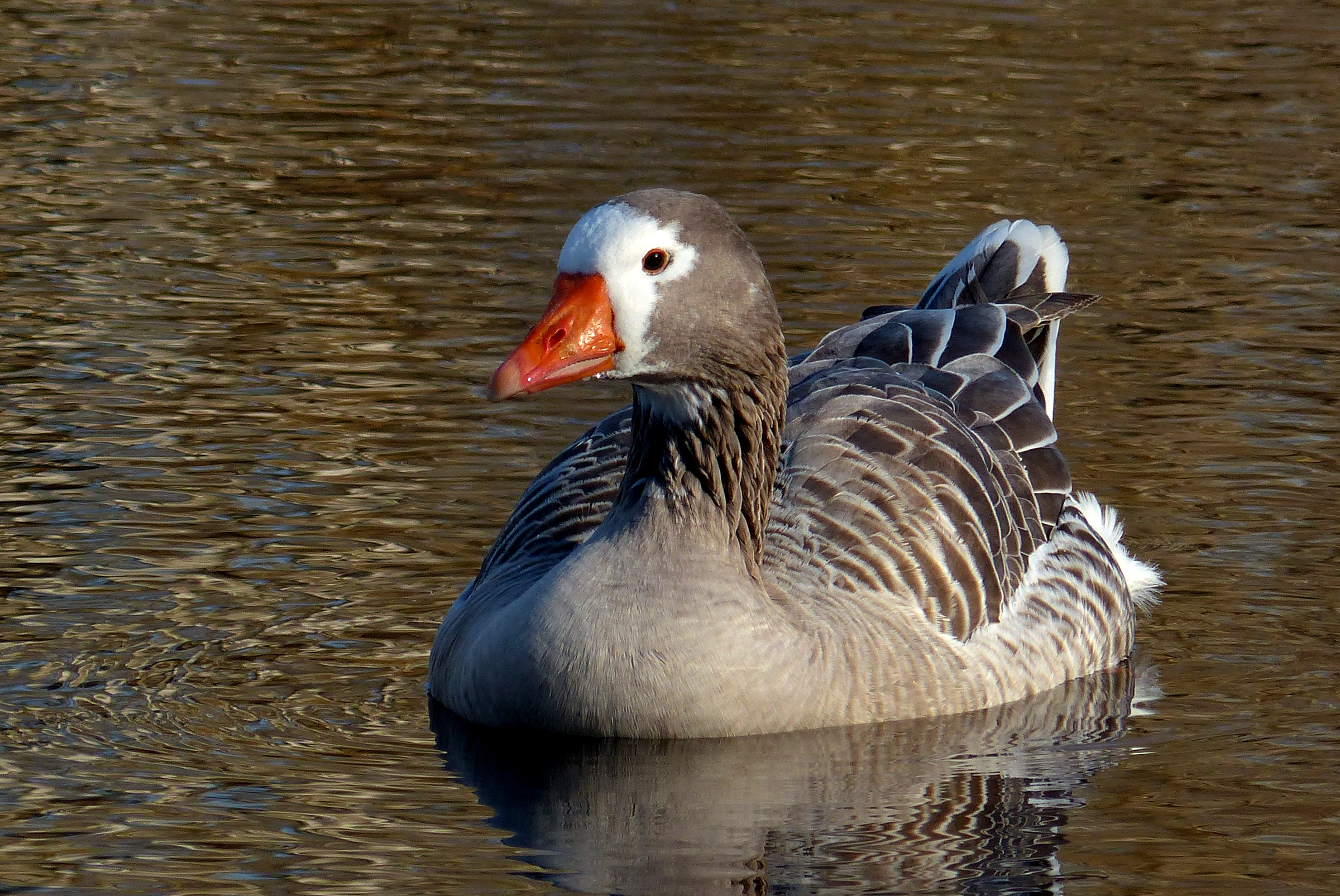
Domestic geese draw on two major wild ancestral lines: the greylag goose, Anser anser, and the swan goose, Anser cygnoides. A 2023 genome study supported the familiar distinction between greylag-derived European breeds and predominantly swan-goose-derived Chinese breeds, while identifying Yili geese with the greylag-derived group.
Geography alone is therefore insufficient for assigning ancestry. A goose called Chinese by location is not automatically derived only from the swan goose, just as a European breed is not necessarily isolated from every other domestic population. The study found gene flow both between domestic groups and between domestic geese and their wild ancestors. These relationships belong to populations sampled for the research. They should not be turned into an untested ancestry percentage for every animal of a named heritage breed. Ancestry, outward form and a breeder’s documented pedigree provide different kinds of information.
Sources behind this article
This is original Conservation Legacy teaching informed by the sources below. Follow the official material for the full account and its context.