
Domestication did not stop gene flow
Knowledge for understanding and preserving Geese.
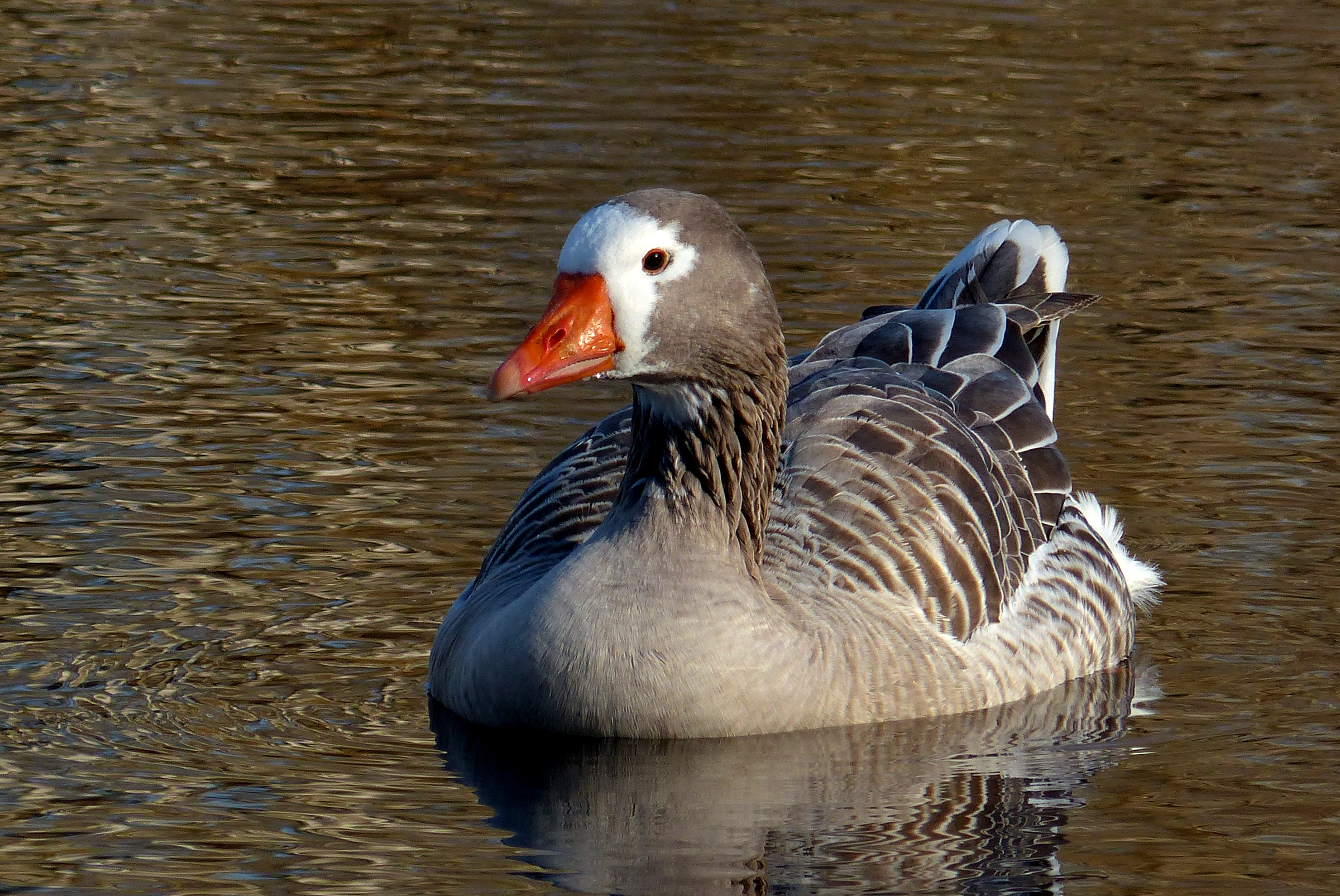
A 2020 genome-wide study of wild and domestic geese found substantial swan-goose-derived ancestry in several sampled European domestic breeds. It also examined continued exchange between domestic geese and their wild greylag relatives. The results show that a domestic population can develop under human selection even when gene flow from wild birds continues.
This is important for interpreting conservation language. A breed may be historically meaningful and biologically distinctive without representing an ancestry that has never mixed. Conversely, uncontrolled mixing can change a small breeding population and complicate the preservation of its characteristic combination of traits. The relevant question is which population, trait or relationship is being conserved. Genome-wide comparisons examine many inherited markers, while mitochondrial comparisons trace a narrower maternal pathway. Different evidence can expose different parts of the same history; none makes a feather color or bill shape a complete genetic certificate.
Sources behind this article
This is original Conservation Legacy teaching informed by the sources below. Follow the official material for the full account and its context.