
The laying season and the breeder flock
Knowledge for understanding and preserving Geese.
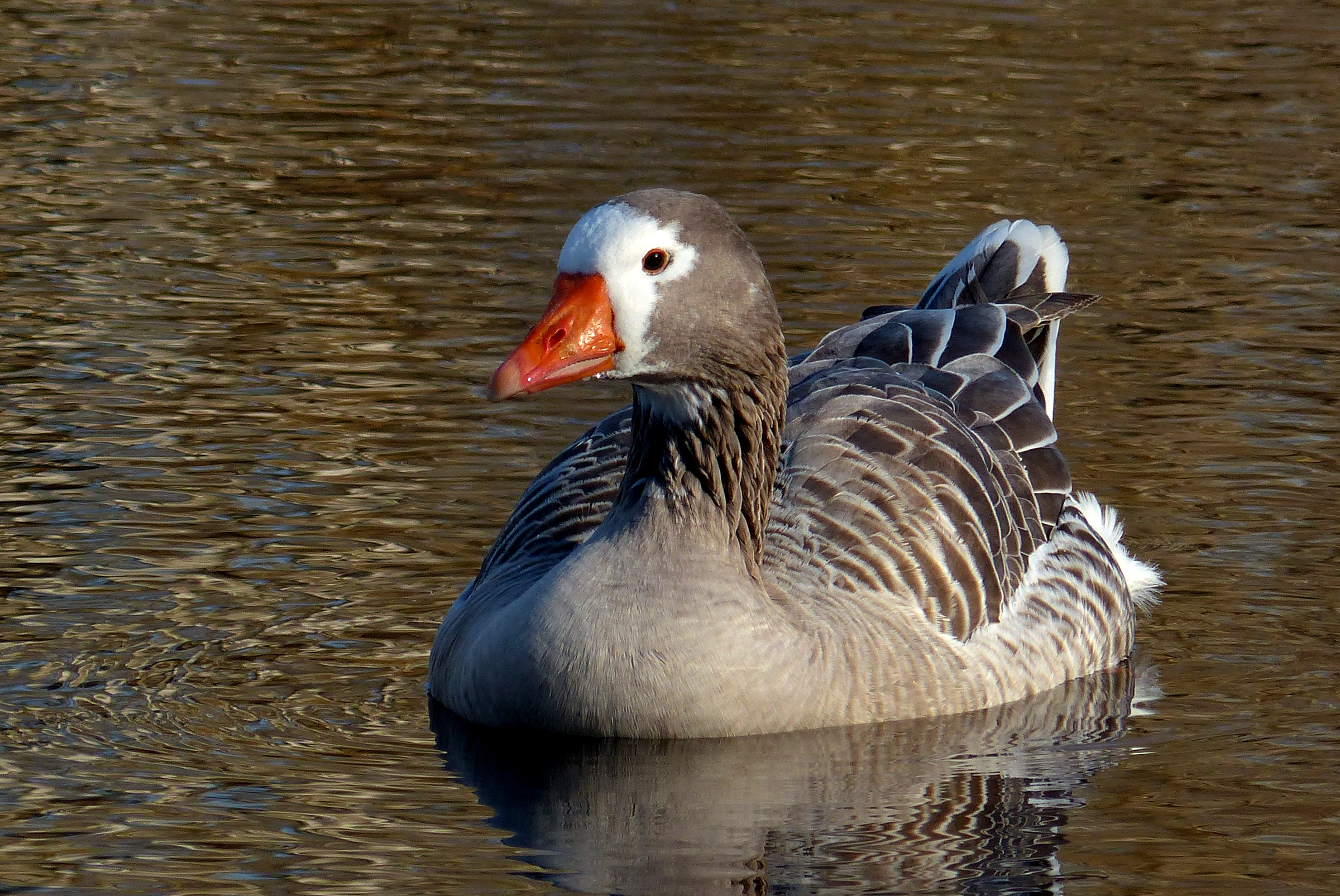
FAO's breeder-flock chapter describes management across holding, pre-laying and laying periods. These stages have different nutritional and environmental demands. Breeding geese should not be treated as though they are growing meat birds throughout the year.
Egg production places demands on the female, while the condition and functioning of both sexes affect breeding outcomes. A plentiful egg count does not establish fertility, and fertility does not establish that incubation will succeed.
Season and lighting are part of the breeding context. Management examples from a production manual describe particular systems and should not become universal expectations for every heritage breed or climate.
Observation should include body condition, feeding and interactions within the flock. A breeding arrangement must remain safe and allow access to resources. A bird being repeatedly excluded or injured needs attention even when the group is producing eggs.
The practical teaching point is to consider the adults and offspring together. A conservation aim should include the health and continued usefulness of breeding birds rather than focus only on the number of eggs set. Reliable parent identification and dated breeding records support later interpretation, while individual reproductive problems require qualified assessment.
Sources behind this article
This is original Conservation Legacy teaching informed by the sources below. Follow the official material for the full account and its context.