
Grass is useful, but goslings still need a feeding plan
Understanding goose grazing, growing birds and the practical limits of free-range assumptions.
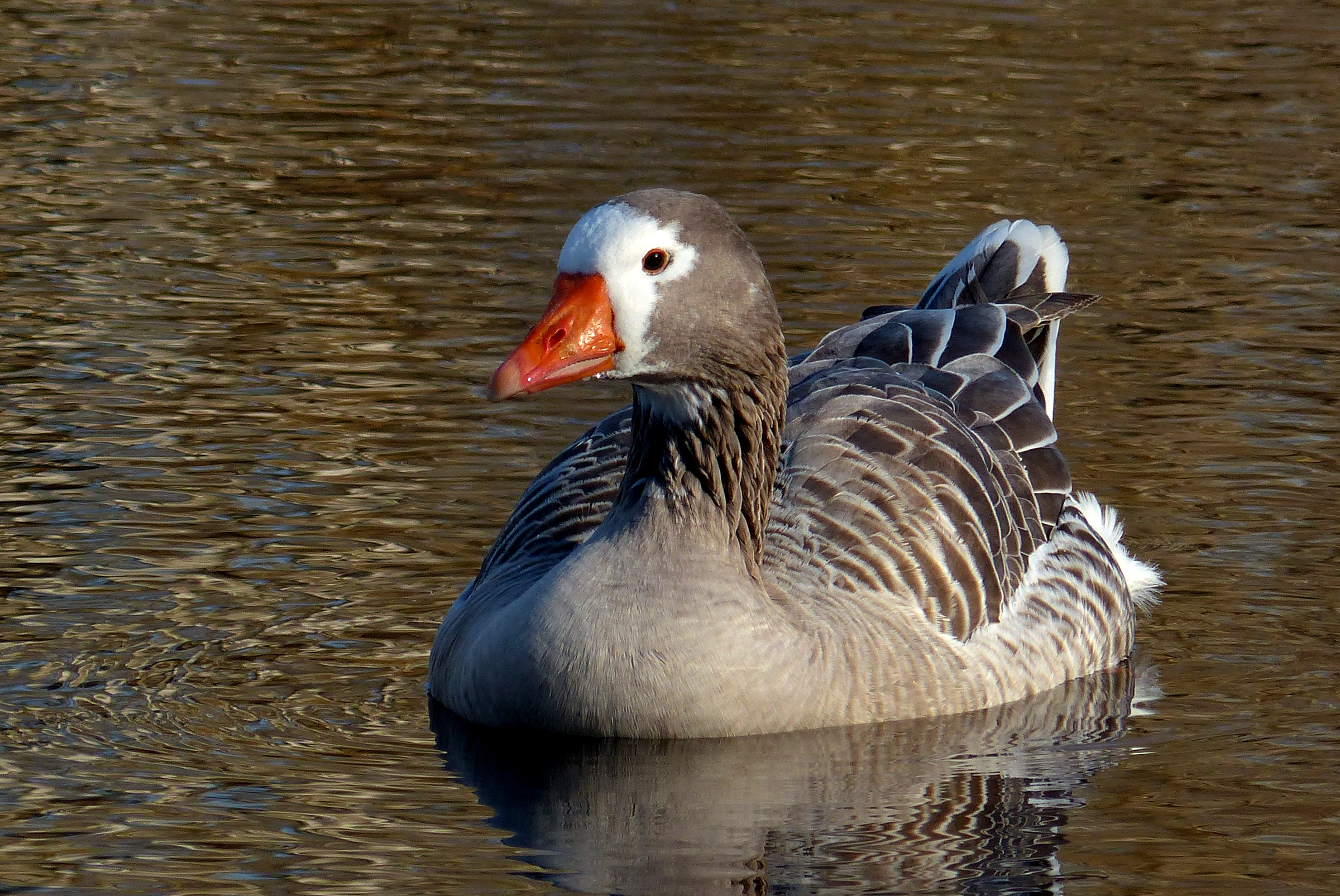
An animal that can use grass
Geese are well known for grazing. University of Kentucky extension guidance describes adaptations and feeding behaviour that allow them to consume substantial amounts of fibrous material. This explains why grass can contribute meaningfully to a goose system. It does not mean that geese are ruminants or that any patch of vegetation meets all the needs of growing or breeding birds. [1]
Start with the gosling
Start goslings on a suitable complete feed. The extension feeding article distinguishes early feeding from later grass use, while the flock-management article describes feeding and rearing stages. A feeding plan should say what is provided and how access changes with development. Do not substitute an adult flock’s grazing routine for the needs of small goslings or assume visible pecking demonstrates adequate nutrient intake. [1, 2]
Know what pasture contributes
Pasture quality, available area and season affect what birds can obtain. The raising-geese guidance connects stocking and feeding decisions with the management system. A practical pasture review should note vegetation actually eaten and areas repeatedly cropped or fouled. Supplemental feeding needs assessment when available forage changes. These observations help explain the farm’s choices; they are not a formula for a universal number of geese per acre. [2]
Water and shelter remain necessary
Feeding is only one part of rearing. Extension guidance for poultry hatchlings stresses suitable feeding and watering equipment for small birds and the risk of becoming wet and chilled. Check that goslings can drink without becoming trapped or soaking their resting area. Adapt warmth, shelter and equipment as birds develop. A species associated with water still needs a dry, protected place to rest. [3]
Guard the flock boundary
USDA APHIS warns that apparently healthy wild waterfowl can carry disease. Protect domestic feed and water from wild-bird contact, and review any shared surface-water access. Sudden flock illness or deaths need prompt professional advice. This is a biosecurity consideration for all goose breeds; a bird’s grazing ability does not make it immune to infectious disease. [4]
Document the season
Conservation Legacy field exercise: record hatch dates, parentage where documented, feed, seasonal pasture conditions and breeding outcomes. Compare like with like when discussing growth or fertility. A summer flock on good pasture and a winter flock receiving stored feed represent different environments. Keep those differences visible so a future reader can distinguish an inherited characteristic, an owner’s observation and a result produced under one particular system.
What the evidence can tell us
Species and hatchling guidance support the article. Grazing contribution varies by environment and life stage; no universal pasture stocking or growth rate is claimed.
The field exercises are Conservation Legacy suggestions for recording observations. They are not clinical tests or breed-specific performance standards.
Sources behind this article
This is original Conservation Legacy teaching informed by the sources below. Follow the official material for the full account and its context.