
Goslings, pasture and a usable shelter
Knowledge for understanding and preserving Geese.
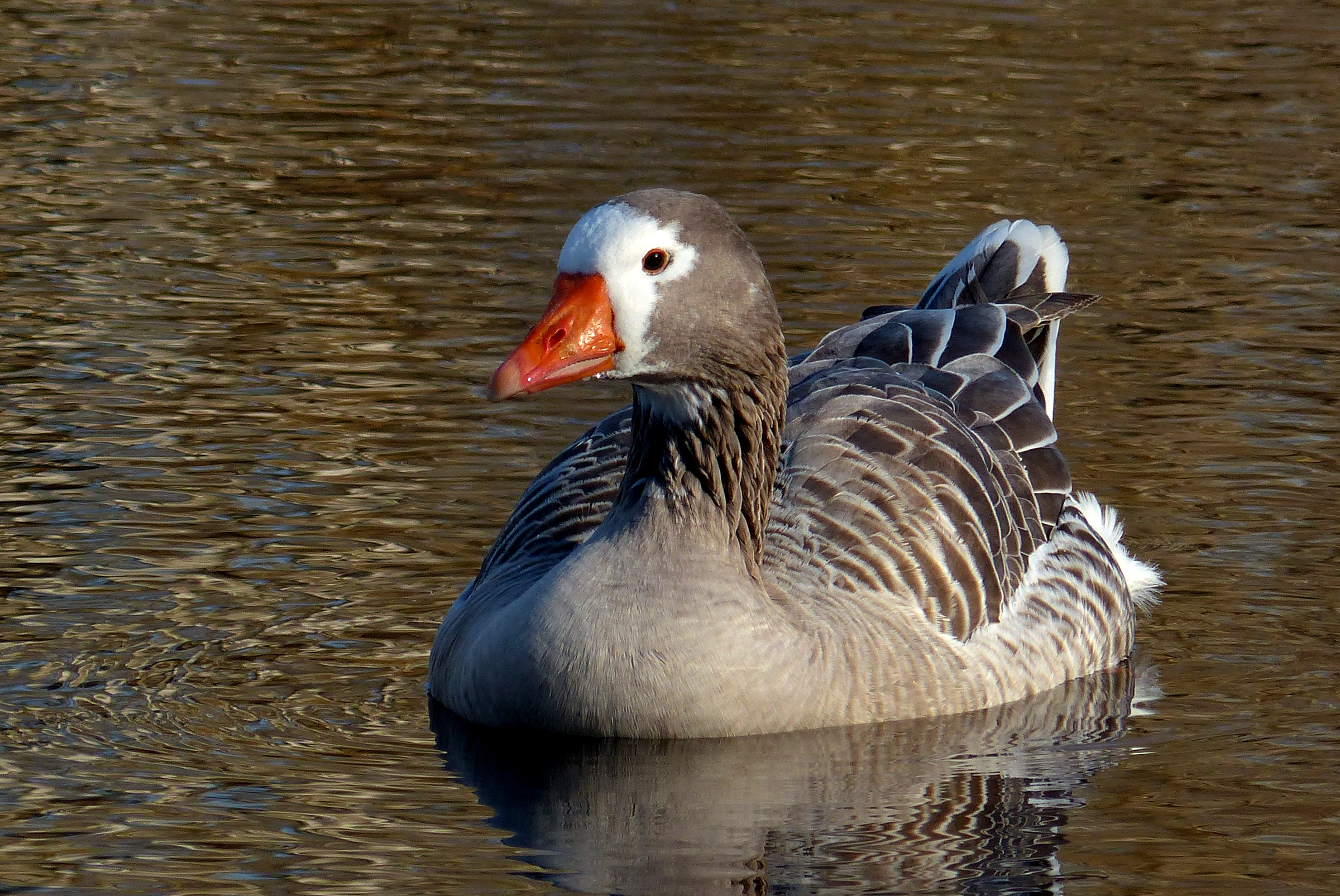
Cooperative Extension's small-flock goose guidance distinguishes the brooding period from later rearing on range or in confinement. Goslings need protection while young; the adult goose's apparent independence should not be projected onto a newly hatched bird.
The brooding environment must permit access to feed and water and provide suitable warmth. A wet resting area can undermine otherwise adequate equipment. Observe the young birds to see whether all are using the resources.
As geese grow, pasture may become a useful component of management. Its carrying capacity depends on the birds and the actual forage, so a published stocking example should not be treated as a promise for every property.
Shelter and predator protection remain relevant outdoors. A large bird can still be vulnerable, and a reputation for vigilance does not make geese a substitute for secure housing. Gates, fencing and water arrangements should be assessed for the birds actually present.
Daily observation should connect condition, movement and use of the environment. A goose that remains apart, eats less or has difficulty walking needs closer assessment. Good rearing follows changing needs over time, rather than assuming that moving the flock onto grass completes the care plan.
Sources behind this article
This is original Conservation Legacy teaching informed by the sources below. Follow the official material for the full account and its context.