
When a donkey stops eating: why a quiet change deserves attention
Appetite, hyperlipaemia and the difference between sensible weight management and food deprivation.
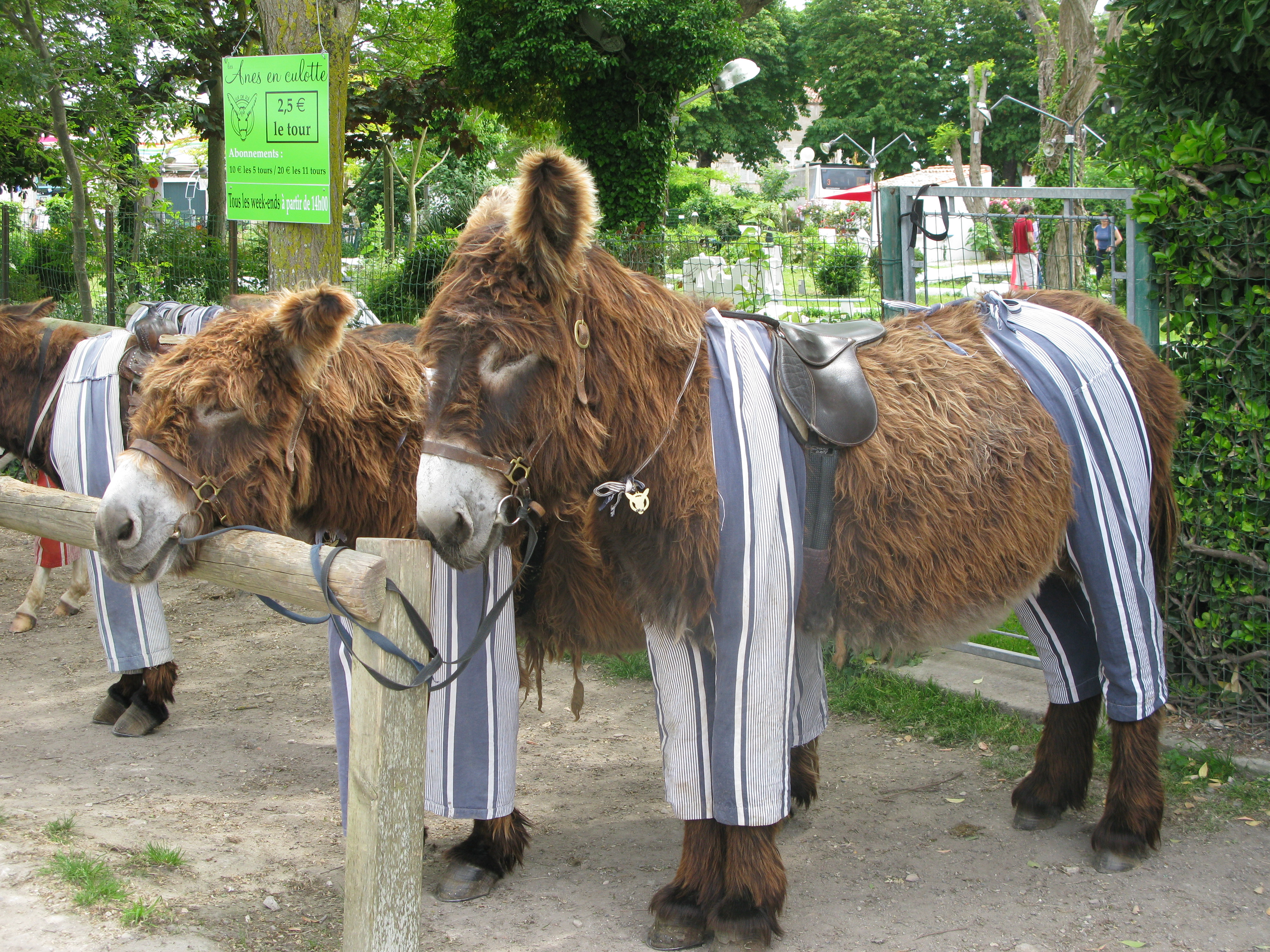
Look for actual eating
A donkey standing quietly beside its feed may look comfortable. That impression can be misleading. The Donkey Sanctuary’s clinical guidance describes sham eating: an unwell donkey may appear to chew while consuming little. Compare what disappears from the feeder with the donkey’s usual intake, manure output and behaviour. A new reduction in appetite deserves prompt veterinary contact rather than a wait for dramatic rolling or collapse. [1]
Why appetite matters
Donkeys are particularly vulnerable to hyperlipaemia, a serious disturbance associated with negative energy balance. When energy intake is inadequate, mobilisation of body fat can become harmful. Illness, pain and stress may initiate the problem; pregnancy and lactation raise nutritional demands. Being overweight does not protect a donkey from it. Diagnosis requires veterinary examination and blood testing, rather than judging the animal’s outline. [1]
Treat the cause as well as the energy deficit
Restoring an appropriate energy supply is part of veterinary treatment, alongside finding the original cause of poor intake. Dental discomfort, other painful illness or changes in routine may need investigation. This is why a sweet feed offered at home is not a complete treatment strategy. Owners can help by reporting the last confirmed meal and recent changes, while the veterinarian decides how to assess and support the animal. [1, 2]
Weight loss must protect health
Donkeys are efficient users of forage, so a ration suitable for a working horse can supply excessive energy for some adult donkeys. University of Florida guidance stresses species-specific nutrition and body-condition assessment. The Donkey Sanctuary explicitly warns against starving a donkey with laminitis because of hyperlipaemia risk. Weight reduction should use a suitable, monitored feeding plan that maintains intake and accounts for teeth, age and reproductive stage. [2, 3]
Companionship belongs in the care plan
Bonded companionship can influence how a donkey copes with change. The Donkey Sanctuary advises considering companions during hospitalisation to limit separation stress and encourage eating. Ask the receiving veterinary facility how to handle a bonded pair safely. This recommendation is not proof that separation causes every appetite problem; illness still needs examination even when a plausible stressful event occurred. [1]
Write down the change
Conservation Legacy field exercise: record normal feed intake and behaviour before an emergency happens. If intake changes, note the time, feed offered and remaining, manure changes, medication and recent moves or separation. Keep photographs as supporting observations rather than diagnostic labels. A preservation record becomes more useful when it describes what an owner saw, when they saw it and what the veterinarian subsequently established.
What the evidence can tell us
Donkey-specific clinical and management guidance supports this article. Reduced appetite is a warning sign, not a diagnosis of hyperlipaemia.
The field exercises are Conservation Legacy suggestions for recording observations. They are not clinical tests or breed-specific performance standards.
Sources behind this article
This is original Conservation Legacy teaching informed by the sources below. Follow the official material for the full account and its context.