
Related equids, different animals
Knowledge for understanding and preserving Donkeys.
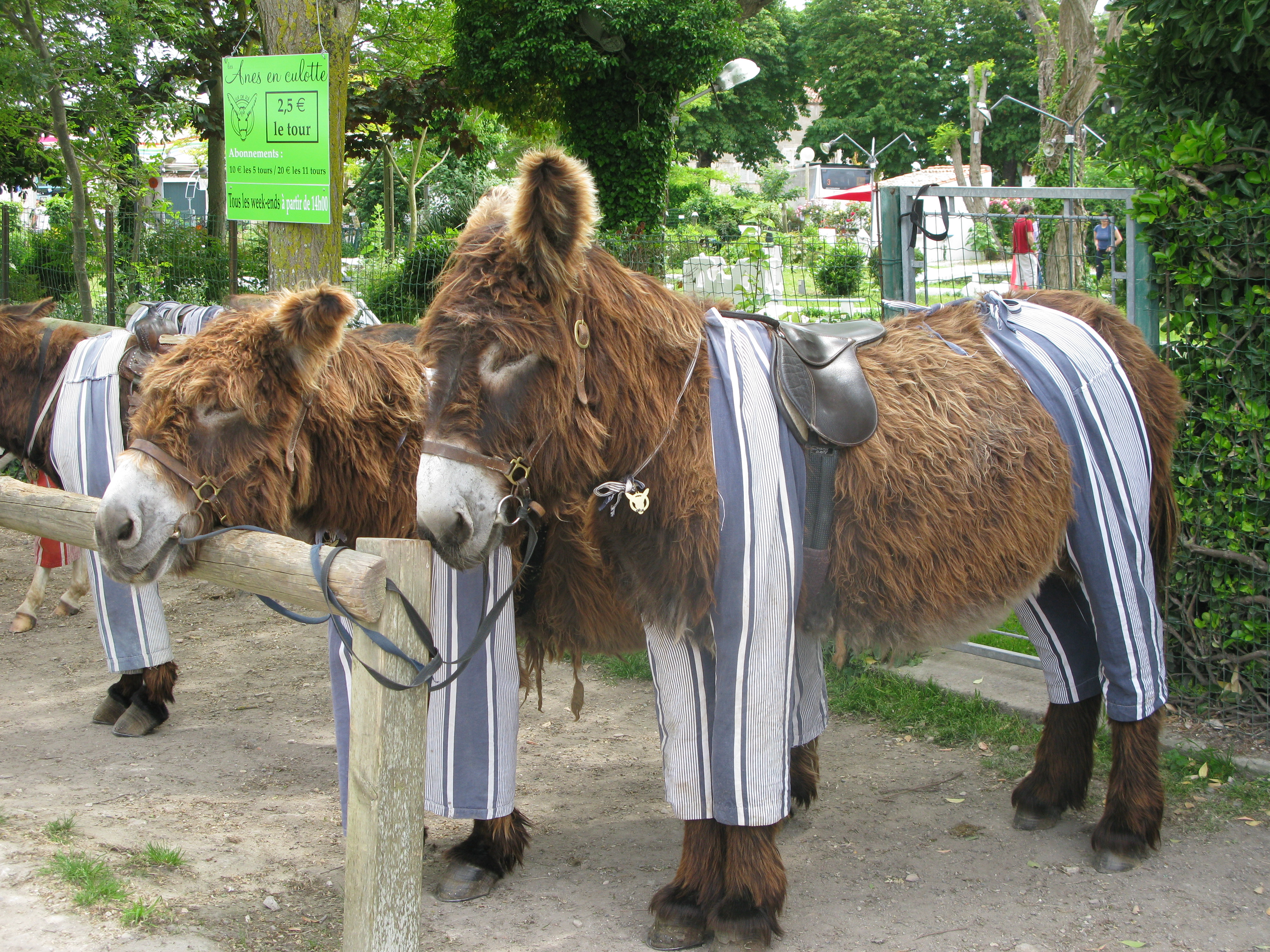
Donkeys and horses are close evolutionary relatives, but closeness does not make their anatomy and physiology interchangeable. Their differences are especially visible in reproduction: mating between the two produces hybrid equids, most familiar as mules and hinnies. These hybrids combine ancestry from different parental species. Their usual infertility illustrates that producing viable offspring and producing a reproductively self-sustaining population are different biological tests.
A mule is conventionally the offspring of a male donkey and a female horse; the reciprocal cross produces a hinny. A hybrid is not a new donkey breed, and its identity should not be placed within an ordinary donkey registry description. The biological differences between donkeys, horses and their hybrids also explain why horse-based assumptions can fail in clinical interpretation. Species-specific reference information matters. At the same time, an evolutionary comparison is not a diagnosis: individual size, age, condition, management and veterinary examination still determine what an animal actually needs.
Sources behind this article
This is original Conservation Legacy teaching informed by the sources below. Follow the official material for the full account and its context.