
Quiet behaviour and the importance of a companion
Knowledge for understanding and preserving Donkeys.
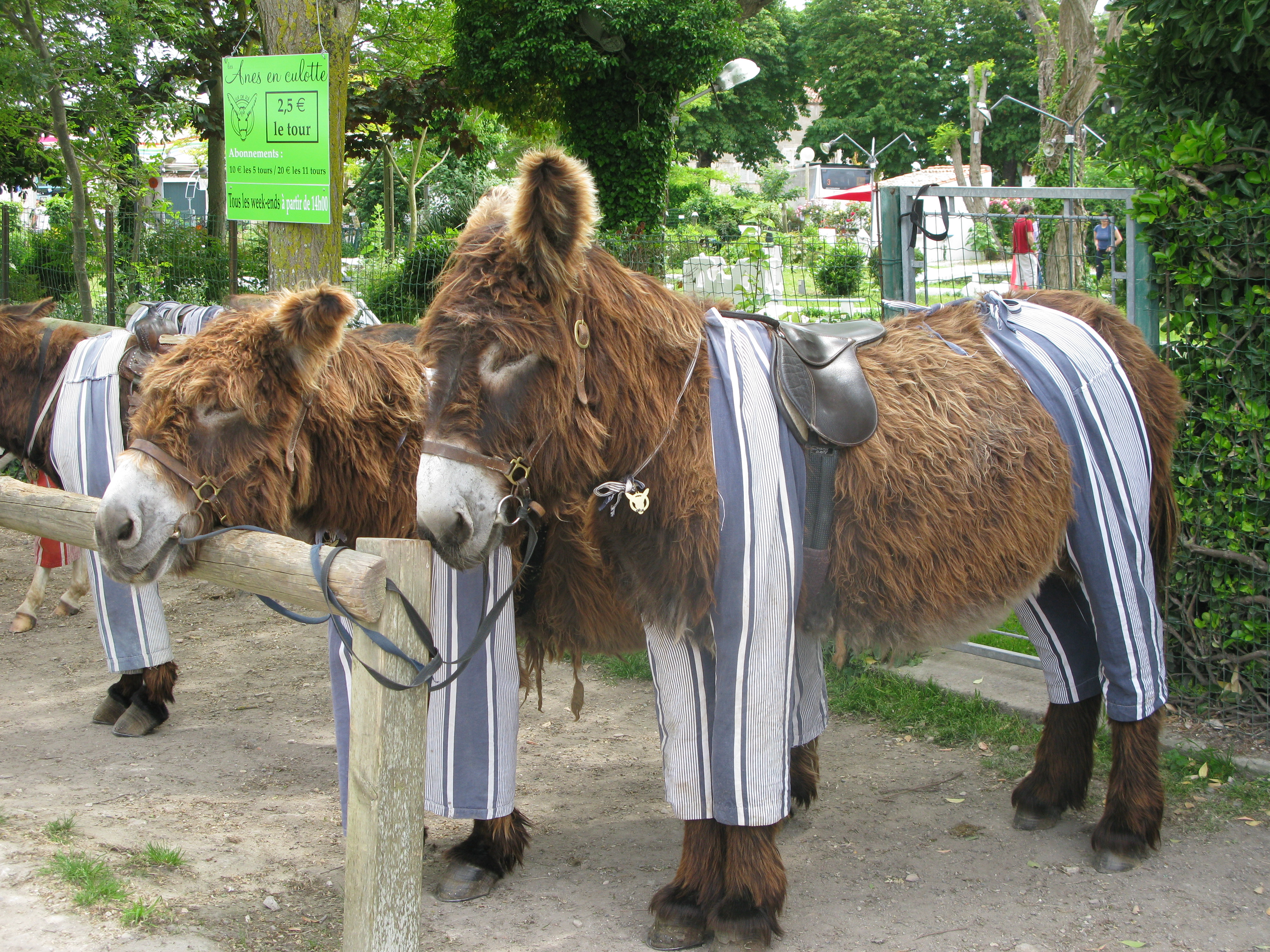
Donkeys may show pain or distress less dramatically than horses. The Donkey Sanctuary describes this as stoicism, which can make illness easy to underestimate. A dull or unusually quiet donkey should be treated as an urgent veterinary concern, especially when appetite changes.
Reluctance to move is not automatically stubbornness. Fear, discomfort and uncertainty can produce freezing or defensive responses. Understanding the reason for the behaviour is safer than escalating force and assuming the animal simply refuses to cooperate.
Domestic donkeys can form strong bonds, often with another donkey. Separation can cause substantial stress and may affect feeding. The companion relationship should therefore be considered when planning transport, hospital care or other changes.
These observations are connected. A change after separation may involve both behaviour and health, rather than being only sadness or only a feeding problem. Calm, knowledgeable handling and attention to the donkey's normal routine help identify change. Individual reactions vary; the label donkey does not predict one identical temperament. A behaviour professional and veterinarian can help when fear or discomfort makes routine care difficult.
Sources behind this article
This is original Conservation Legacy teaching informed by the sources below. Follow the official material for the full account and its context.