
A dry refuge and knowledgeable foot care
Knowledge for understanding and preserving Donkeys.
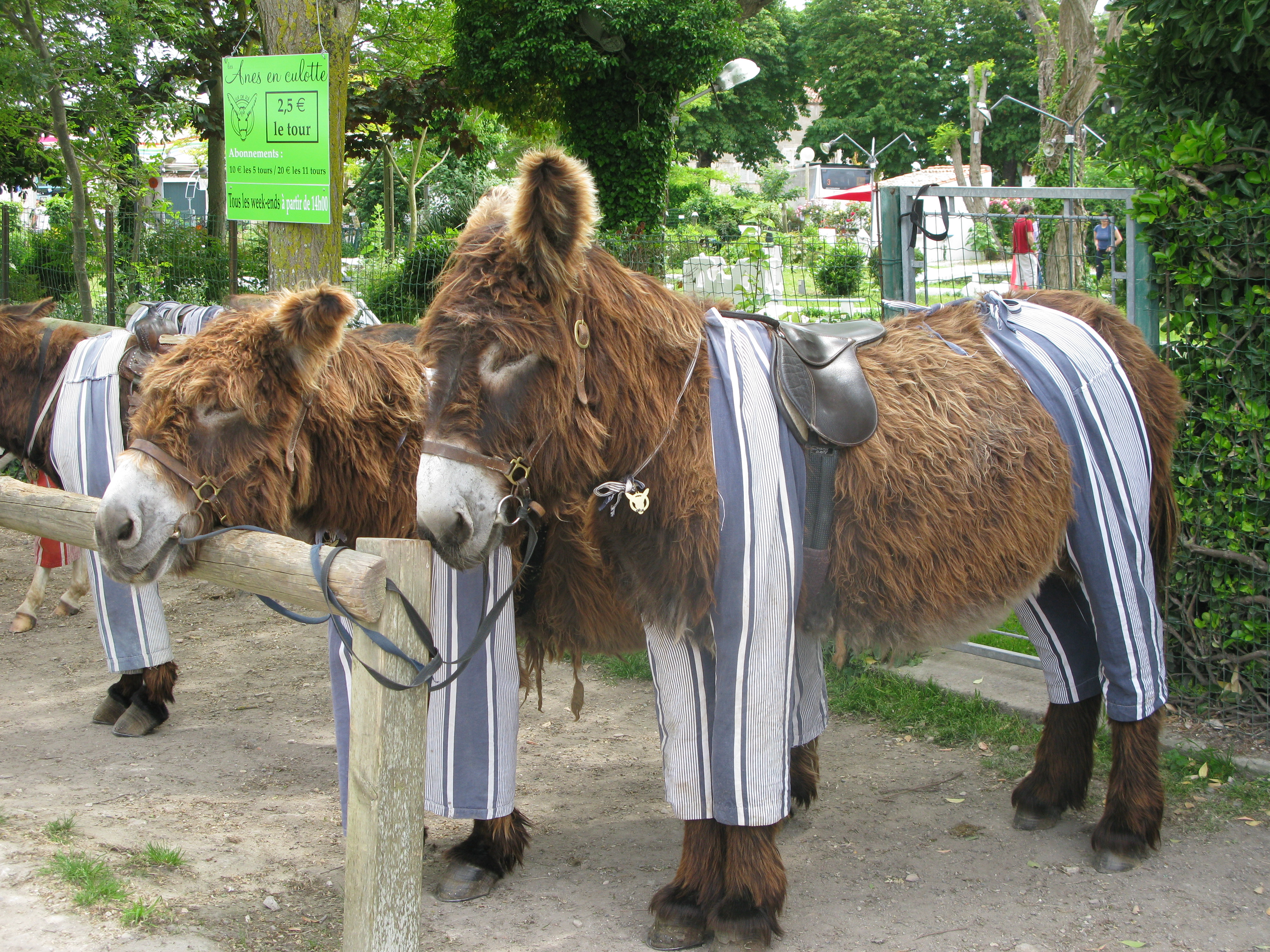
The Donkey Sanctuary of Canada emphasizes covered, dry shelter, non-slip flooring and a comfortable bed. A donkey's hardy reputation does not remove its need to escape wet or extreme conditions. The shelter must be accessible to the animal, not merely present somewhere in the field.
Flooring and drainage affect the feet as well as the cleanliness of the coat. Watching the areas where donkeys stand and rest can reveal whether mud, slipping or persistent dampness is becoming a problem. Seasonal reassessment matters because a useful dry-season space may work differently after prolonged rain.
Donkey hooves require a farrier who understands their differences from horse hooves. A routine interval should be tailored to the individual and terrain rather than copied from a general example. Grooming also provides a chance to inspect skin and limbs for changes.
Observe daily appetite, droppings, willingness to move and interaction with companions. These details give context to a veterinary examination. The combination of suitable surroundings, competent foot and dental care and a known behavioural baseline supports welfare much more reliably than assuming that a quiet donkey is always comfortable.
Sources behind this article
This is original Conservation Legacy teaching informed by the sources below. Follow the official material for the full account and its context.