
Efficient fiber use does not mean no nutritional needs
Knowledge for understanding and preserving Donkeys.
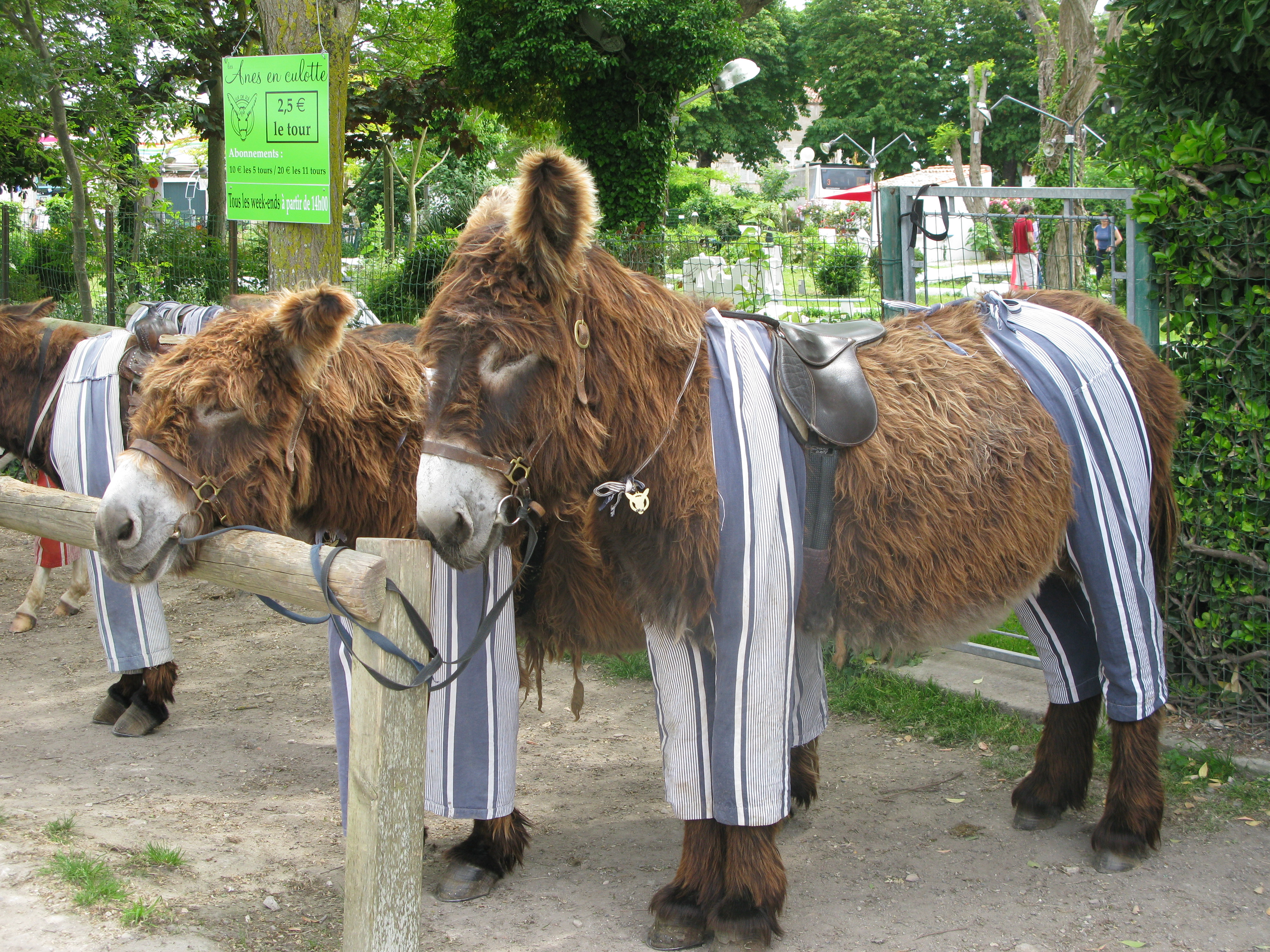
The Donkey Sanctuary's clinical nutrition chapter explains that donkeys generally have lower energy requirements than similarly sized horses and ponies and are efficient users of fibrous forage. Feeding a sedentary donkey as though it were a working horse can therefore supply excessive energy.
A suitable diet must still meet nutritional needs and permit appropriate foraging. Lower energy requirements are not a justification for withholding food. Growth, pregnancy, nursing, work and recovery from illness alter the animal's circumstances.
Dental function matters especially when forage is coarse and fibrous. An animal may appear to mouth food without actually consuming it, a behaviour the clinical guidance calls sham eating. Watching chewing without checking intake can miss a serious problem.
Body-condition assessment should use a donkey-appropriate method rather than simply applying a horse score. Fat deposits and changes need to be interpreted for this species. A qualified adviser can assess forage, condition and life stage together. The important distinction is between controlling excess dietary energy and causing inadequate intake; a donkey's efficient digestion makes individual assessment more necessary, not less.
Sources behind this article
This is original Conservation Legacy teaching informed by the sources below. Follow the official material for the full account and its context.