
Donkeys
Ecology & human landscapes
One living story. Knowledge kept together.
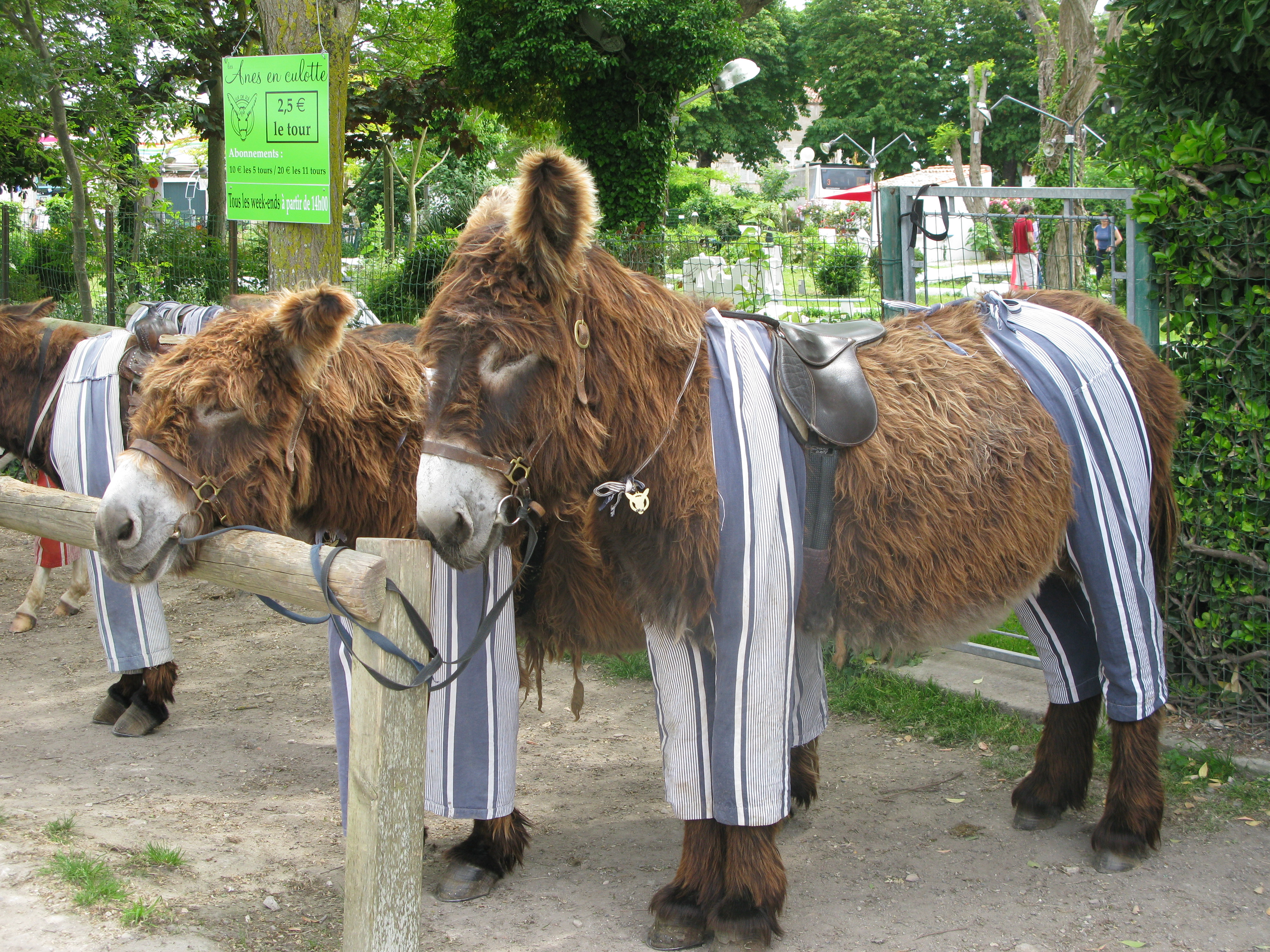
Poitou donkeys in Saint-Martin-de-Ré, photographed in 2013. · Jiel Beaumadier · CC BY-SA 4.0 · License terms
Animal, landscape
and the people between them.
Grazing and browsing put donkeys in direct contact with plant communities and soil. Their land impact depends on stocking, seasonal forage and access to sensitive areas. An animal can be culturally valuable and still require careful management to avoid damaging the landscape.
The conservation story should therefore join animal welfare with breed identity. Historical usefulness explains why people maintained a population, while changed farm economics can explain why it declined. Breed preservation and conservation of African wild asses are distinct subjects, even though their evolutionary history connects them.
Sources for general species learning
Keep learning from official information.
These research portals help locate further material. A search link is a route for exploration; it is separate from the sources used for the article above. Domestic breed information, wild-species assessment, historical books and new research need their own context.
- FAO DAD-IS · Domestic breed information
- IUCN Red List · Species assessments
- Biodiversity Heritage Library · Historical literature search
- USDA National Agricultural Library · Research search
- Google Scholar · Scholarly literature search
- Open Library · Book catalogue search
- HathiTrust · Digitized catalogue search