
Conservation Legacy · Horses world
Hackney HorseLiving heritage.
A connected world for understanding, teaching and carrying forward hackney horse—its history, characteristics, knowledge, people and future.
Living heritageCritical2026 Conservancy list
The place and purpose behind the breed
A past that shaped a living population.
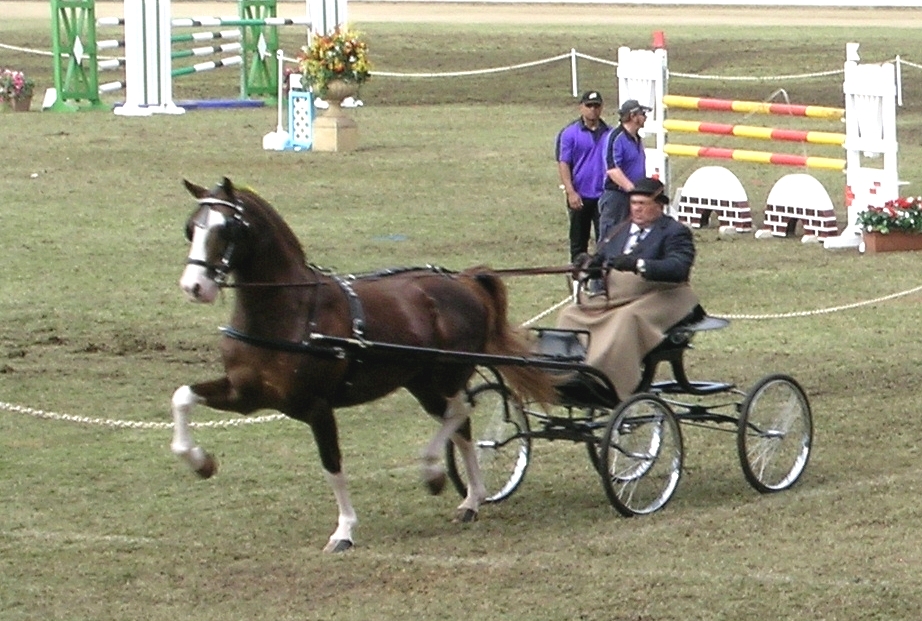
The Hackney developed from eastern England’s roadster and trotting-horse populations with later Thoroughbred influence. Selection for speed, elegance and carriage helped establish its recognizable driving identity.Photographic introduction · Hackney HorseRiding, Driving
Story · identity · living heritageMeet the breedFollow this population through its origins, people, traits and changing place in the world.Enter →Knowledge · sources · memoryLibrary & archiveOriginal articles and this breed’s own collection, with general species knowledge identified separately.Enter →Pedigrees · families · future recordsBloodlines · coming soonA future workspace for verified animals, families and documented relationships.Enter →People · places · connectionNear You & world mapFind documented connections to this breed, or choose another animal on the map.Enter →
Enter the knowledge
behind hackney horse.
Each chapter belongs to this population. Its library brings the original teaching and official sources together.
This breed’s chapter
Ecology & landscapes
Explore habitats, domestication and the human landscapes around this animal.
Enter this chapter →This breed’s chapterHistory & heritage
Meet the people, places and choices that shaped this animal.
Enter this chapter →This breed’s chapterMeet the animal
Understand its traits, traditional roles and distinct population.
Enter this chapter →This breed’s chapterScience & biology
Explore family, genus, species and naming authorities.
Enter this chapter →This breed’s chapterCare & daily life
Learn the reasons behind nutrition, observation and husbandry.
Enter this chapter →This breed’s chapterChallenges & future
Read the status, pressures and population evidence in context.
Enter this chapter →This animal’s own collectionLibrary & Archive
Read original articles and reports, with general species knowledge clearly identified.
Enter the library →Read the stories.
Understand the animal.
Original articles connect this population’s history, traits and preservation with the evidence behind them.
History & heritage
Explore the full 2-article collection →The Hackney Horse: a road horse beyond the show image
The Hackney Horse developed from the Norfolk trotting tradition, with selection for speed and style.
Read the original →Care foundationsDistinctive action and responsible work
The Hackney's elevated trot is an arresting sight, but useful observation includes the whole horse rather than one raised knee.
Read the original →Get to know Hackney Horse.
Read this breed’s history, traits and conservation story here. Each article includes the evidence behind it and links for further learning.
Open the Hackney Horse library →Size, details & appearance
Look closely at the features that make this animal distinctive.
Cgoodwin · CC BY-SA 3.0 · License
Ruler: sourced breed range, not the photographed individual’s height.
Size reference
Source-reported weight references ↗ · checked October 5, 2026.
Market weight and adult weight describe different stages. Values are reference information, not individual growth guarantees.
Docile, Spirited
History & heritage1 expanded article
The Hackney Horse: a road horse beyond the show image
The Hackney Horse developed from the Norfolk trotting tradition, with selection for speed and style.
The Hackney Horse developed from the Norfolk trotting tradition, with selection for speed and style. The American Hackney Horse Society connects its development with improved British roads and the expansion of driving. Better road surfaces changed what people needed: a fast, elegant trotter could find a different role from a heavy horse pulling through deep ruts.
The association dates the British studbook society to 1883 and the American society to 1891. These institutions made pedigrees and organized promotion part of the breed's future. They followed the earlier development of the horses; a registry's founding date should not be mistaken for the beginning of every horse population it records.
AHHS distinguishes Hackney Horses from smaller Hackney ponies and describes the horse in carriage and combined driving as well as riding disciplines. Its defining trot combines elevated action with forward movement and powerful propulsion. The visual excitement is most informative when the entire movement can be seen, including the hindquarters and straightness, rather than just a still image of one raised knee.
Versatility means that different individuals can take part in different activities, not that every horse arrives trained for all of them. A carriage horse has learned a particular job involving vehicle, harness and driver. Riding, jumping and competitive trail work require their own preparation. Understanding the actual training history avoids turning a list of possible disciplines into a guarantee.
The conservation story also differs between the horse and the pony. A lively pony show scene cannot be assumed to describe the breeding base of full-sized Hackney Horses. When reporting numbers or preservation work, the size category and registry population need to remain clear.
The road history offers a useful lesson about changing demand. A breed can survive by finding new uses while still needing to retain its recognizable function and documented families. Modern driving interest gives the Hackney a visible role, but long-term continuity also depends on breeders, owners and the transfer of safe driving knowledge.
For someone learning about the breed, the best sequence is to watch correctly identified horses, understand the characteristic trot and then examine the individual's experience. Dramatic action can attract attention; dependable preparation and suitable handling determine how that action fits a real partnership. The horse's history becomes richer when glamour and practical horsemanship are understood together.
Appearance & working traitsFoundations & evidence
Animal identity
Changes in transport altered the breed's work. Shorter carriage journeys placed greater emphasis on style and conspicuous action. The horse's elevated, energetic trot remains a central part of its identity, but the Hackney Horse is distinct from the Hackney Pony developed through crossing with pony breeds. Conservancy concerns apply to the horse population and especially to remaining historic strains.
Science & inheritanceFoundations & evidence
Scientific identity
Horses are herbivorous hindgut fermenters. Microbes in the cecum and large colon help release energy from fibrous plants after food has passed through the stomach and small intestine. This differs from cattle's rumen-based digestion. Forage and feeding arrangements therefore belong in an explanation of horse biology, rather than appearing only as a shopping list of feeds.
Horses are social animals, and feral populations form groups with relationships that change as animals mature or move. Domestic grouping is managed by people. Space and access to feed must account for competition; a herd's presence does not guarantee that every individual eats adequately. Wild or feral group descriptions are background, not a fixed template for a ranch.
Landscapes & adaptationFoundations & evidence
Ecology & human landscapes
As grazers, horses affect plant structure and the land they occupy. The result depends on numbers, grazing duration, soil, rainfall and other animals using the same area. A conservation-minded horse page should connect animal preservation with forage recovery and protection of vulnerable ground.
Learning a breed includes understanding the human landscape that kept it useful. Changes in transport and agriculture can erase demand before a breed's biological value disappears. Preserving skills, cultural memory and distinct breeding families helps explain why keeping horses alive and keeping a breed's identity alive are related tasks.
Conservation & the futureFoundations & evidence
Conservation & challenges
The teaching question is how changing uses can change the qualities people select. A historical road horse and a modern show horse can belong to one continuing story without being presented as identical in purpose. Photographs and video should identify which population they depict rather than using pony images to stand for horses.
A useful foundation should explain the movement without suggesting that exaggerated action is necessary for every horse or every use. Driving requires careful training, appropriate equipment and soundness. Riding and other suitable activities can introduce a wider audience to the breed. Future research should distinguish current studbook policies among countries and describe historical population estimates with dates, rather than turning an undated number into a present global census.
Care & daily life1 expanded article
Distinctive action and responsible work
The Hackney's elevated trot is an arresting sight, but useful observation includes the whole horse rather than one raised knee.
The Hackney's elevated trot is an arresting sight, but useful observation includes the whole horse rather than one raised knee. Watch the relationship between forward movement, hindquarter action and the horse's response to its handler. A photograph can introduce the type without establishing working soundness.
University of Minnesota Extension recommends routine hoof attention and collaboration with farrier and veterinarian. General principles of care should accompany the breed's action, rather than be replaced by a prescriptive shoeing claim based solely on appearance.
A carriage prospect also needs a clear training history. Ask what harness, vehicles and driving arrangements it knows and whether the proposed role is familiar. Experience as part of a team does not automatically describe its behaviour in every single-horse setting, just as a riding record does not establish driving preparation.
These details help retain the relationship between style and function that shaped the breed. The goal is a capable partnership supported by suitable equipment, instruction and care. Public admiration can attract new owners, while realistic information about the individual makes it more likely that they can maintain the horse responsibly after the first excitement of its spectacular trot.
Science · identity · inheritance
A shared species. A distinct population.
The domestic horse profile here follows Equus caballus. Taxonomic classification identifies the species; a studbook and pedigree document particular breed populations and families.KingdomAnimalia
PhylumChordata
ClassMammalia
OrderPerissodactyla
FamilyEquidae
GenusEquus
Scientific treatmentEquus caballus Linnaeus, 1758
Domestic populationHackney Horse
Breed identity is separate from species-level assessment. Equus caballus Linnaeus, 1758 · GBIF ↗
Breed identity · documented sources
Evidence that belongs to this animal.
The Livestock Conservancy lists Hackney Horse as Critical. This domestic-population category is distinct from an IUCN assessment of a wild species.Conservancy breed account ↗ · Assessment framework ↗. These references support the teaching in this world and offer independent perspectives.
Why this is its own conservation world
Identity, usefulness and inherited history belong together.
This world connects hackney horse with its documented development, characteristics and conservation context.Our evidence standard: source-reported facts, original interpretation and unresolved evidence remain distinguishable.
A breed is more than a familiar appearance.
Ancestry, documented population history and a photograph answer different questions.
Explore in this world →Purpose belongs beside the animal.
Riding, Driving
Explore in this world →A category is not a current census.
Dates, scope and the definition of the animals counted belong beside population evidence.
Explore in this world →Knowledge becomes stewardship.
Education, appropriate care and documented contributions carry living heritage forward.
Explore in this world →Care · daily life · practical stewardship
Understand what it takes to raise the animal.
Species foundations belong beside the breed’s documented traits and the individual’s condition.From a foal to a lifelong partner.
Follow the animal from its beginning through the changes in feeding, shelter, behavior and care. Select a stage to look closer.
11 monthsGestation · approximate species reference
Healthy adults can contribute to the next generation; care and documented ancestry connect the cycle.

Newborn foal
Confirm nursing and colostrum intake early. Colostrum provides protective antibodies; ordinary milk replacer does not perform that same job.
What to observe
Watch successful nursing, warmth, contact with the mother and the condition of each youngster.
Raised with the mare
The mare supplies milk and social contact. Observe successful nursing and the condition of both animals; simply standing beside the mare does not establish adequate intake.
Foster or orphan care
An orphan needs an early antibody assessment, a suitable equine milk plan and frequent monitored meals. Clean equipment and horse companionship matter. Milk calories alone do not replace maternal contact or colostrum.
Life-stage teaching sources
- Merck Veterinary Manual · approximate gestation periods ↗
- University of Minnesota Extension · feeding orphaned foals ↗
Conservation Legacy original teaching. Image captions identify the pictured animal; general species examples remain separate from selected-breed images.
See when life changes.
Body growth, reproductive development and managed weaning describe different changes. Explore the reference windows beside the care they help explain.
Gestation
11 monthsApproximate species reference for planning.
Evidence ↗After birth or hatch · reference windows
General growing horses. Bars share a time axis measured from birth or hatch; each label retains its source units.
Usual managed weaning4–6 months
species referenceSource for this window ↗
Female puberty10–24 months
species referenceSource for this window ↗
Birth / hatch · 0731 days
What we risk losing
Keep a living inheritance within reach.
Critical · The Livestock Conservancy, 2026. Preservation includes the living animals, their families and the people able to keep them. The sequence beside this text explains a process; it is not a measured decline for this breed.Explore this breed’s conservation →- Historic family
Recorded families connect today’s animals with the people and places that shaped them.
- Funneling begins
Some branches stop reproducing, or their records become difficult to follow.
- Bottleneck
Representation can concentrate into fewer animals and fewer distinct breeding options.
- Preservation window
Age, health, living animals, reliable records and available homes influence what can continue.
- Action or loss
Education, care, documentation and coordinated stewardship shape what survives.
Population · dates · scope
Numbers need their context.
A status, registration count and breeding-population estimate answer different questions. Their dates and definitions matter.Conservation status and source-reported population evidence
Source-reported population
- Assessment year / period
- Not stated
- Geography / scope
- Global
Undated profile figure; refers to Hackney Horse, not all Hackney ponies.
Read the source →These measures describe different dates, places and populations. They should not be added together or treated as a new census conducted by Conservation Legacy.
The community carries it forward
The future needs people who keep its knowledge alive.
A dated photograph, a keeper’s experience, a historical source or a documented correction can help the next generation understand hackney horse.What you know today can become part of what this breed still has tomorrow.
Breed knowledgeKeep traits connected to the documented population.Teach what sources establish and identify what still needs evidence.Stories & historyPreserve the people and places behind the animal.Dates, locations and source context make a memory more useful.Documents & photographsKeep the creator and meaning with the record.Share material with permission, accurate captions and provenance.Practical stewardshipConnect learning with responsible care.Use the species foundations and individual needs to guide further questions.Keep exploring
One world. Many ways to enter.
Hackney Horse Library & ArchiveOriginal articles, general foundations and source evidence→Near You & world mapDocumented breed connections and nearby places→This breed’s common areaLearning, contributions and community connections→Bloodlines & records · coming soonVerified animals and relationships will come later→Our founding Puerto Rican Paso Fino worldThe design and preservation foundation for every breed world→