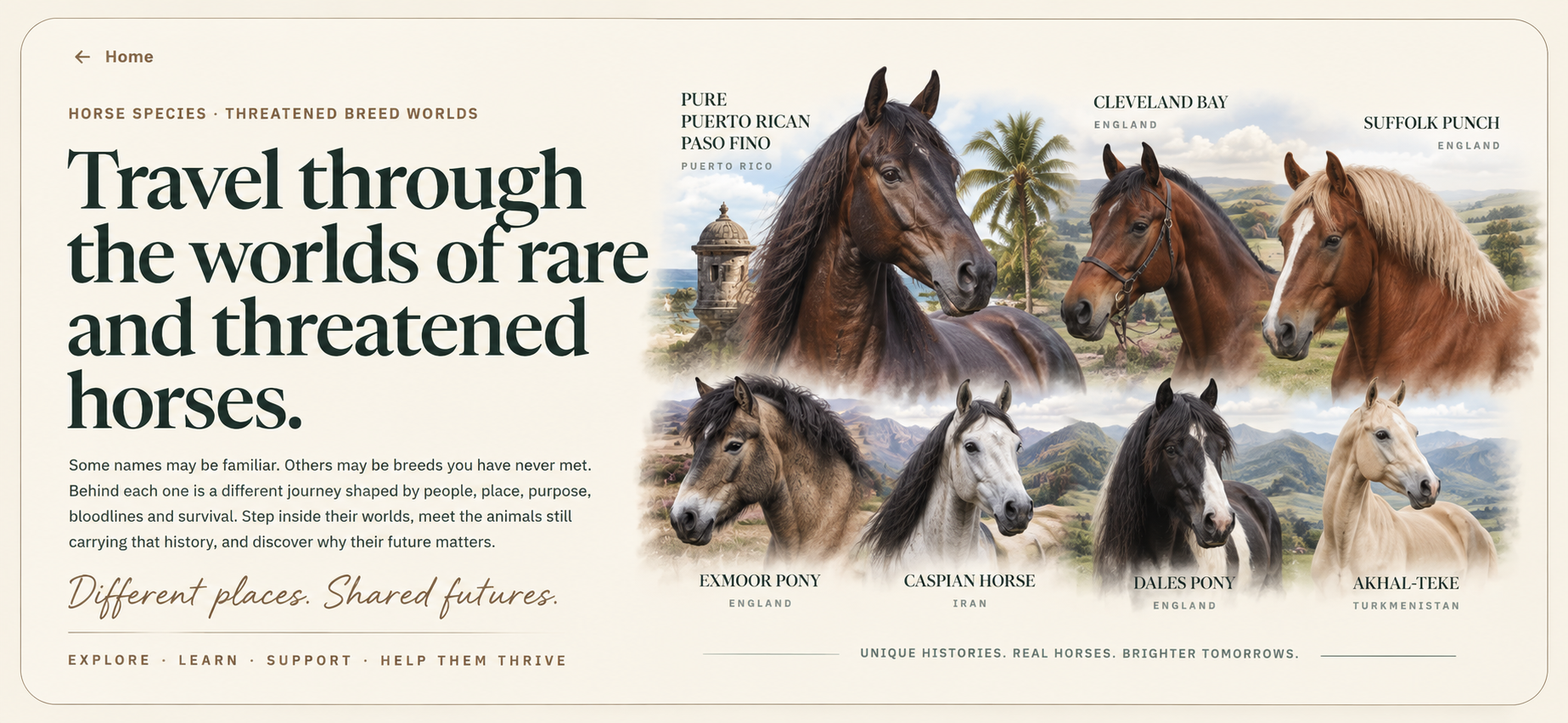
Our founding Pure Puerto Rican Paso Fino world connects an island’s culture to living horses, documented pedigrees and preservation decisions. Horse heritage also includes riding, driving, farming and transport traditions in many other places. Every breed deserves its own account: shared species membership does not make its studbook, gait or cultural history interchangeable with another population.
The Pure Puerto Rican Paso Fino is a domestic horse population whose identity rests in its island development, documented ancestry and natural four-beat lateral gait. Other horses can share a smooth gait or an eye-color trait without being interchangeable conservation populations.
These horses belong to the Appalachian gaited riding tradition, with selection for comfortable travel, useful temperament and sure-footed work over uneven ground. Chocolate coloring is strongly associated with the breed's public image, but it does not represent its entire accepted color range. Rocky Mountain and Mountain Pleasure horses are related populations with separate registry histories.
The Irish Draught Horse Society formed in 1976 to encourage purebred continuity. The Conservancy explains a central tension: using purebred animals to produce profitable crosses could leave too few purebred replacements. An Irish Sport Horse with Draught ancestry and a purebred Irish Draught therefore belong to related but different parts of the story.
Public recognition through promotional hitches is a significant part of its later story. The Conservancy credits continued breeding programs with helping maintain the horse during the decline of draft work. Bay coloring and white markings are familiar, but the breed includes other colors. Its lifted action and feathered legs contribute to an immediately recognizable draft-horse identity.
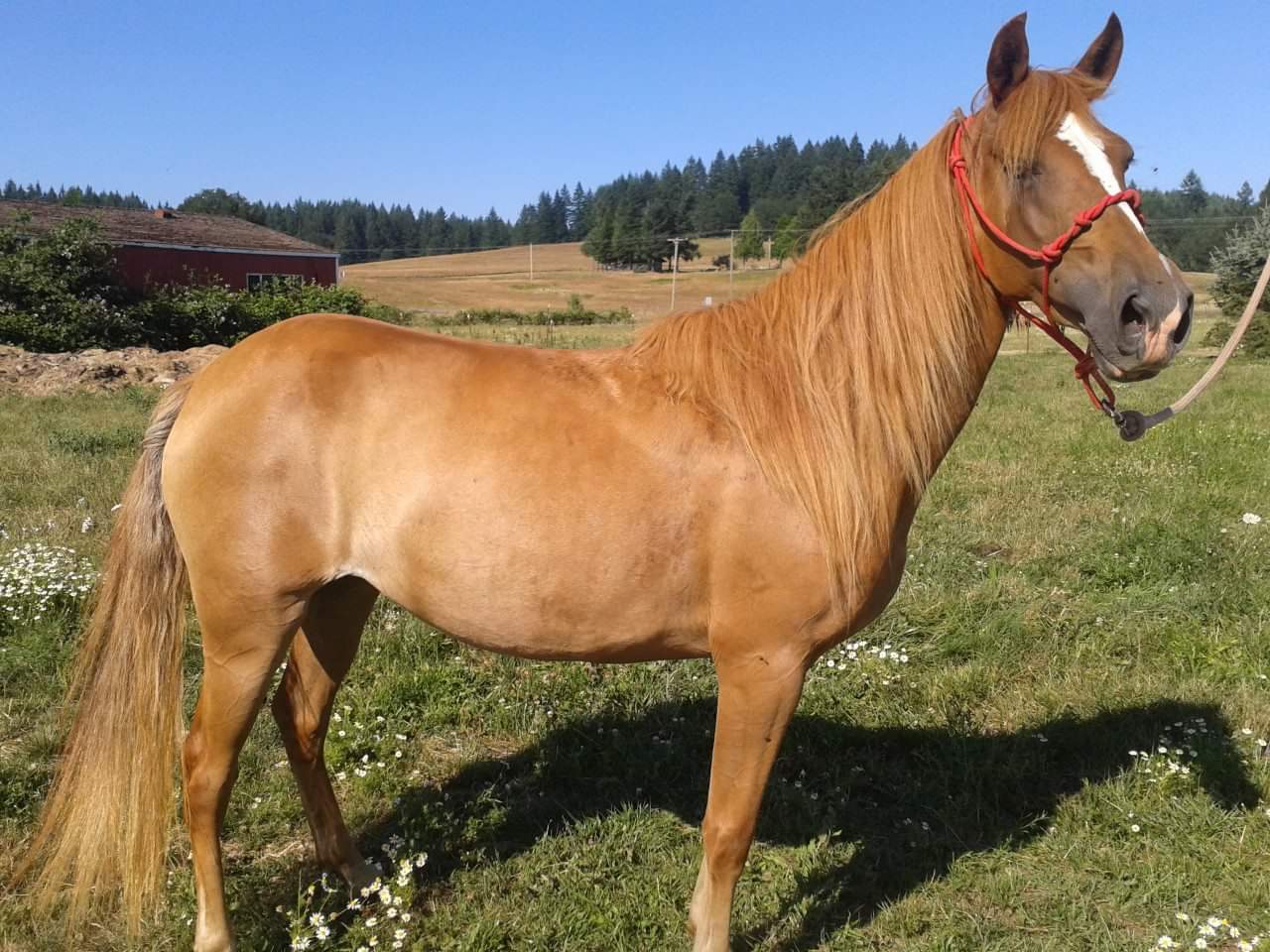
The American Cream is a substantial draft horse associated with a cream body, pale mane and tail, pink skin and amber eyes. Its traditional identity is practical: a horse that could work in a team, pull implements and remain manageable around a farm. The association revived in 1982 after years of minimal activity. A striking photograph helps introduce the breed, but color alone cannot establish a horse's ancestry or eligibility.
Mechanization and restrictions on free roaming contributed to severe decline in the 1970s and 1980s. The 1997 provincial Heritage Animals Act gave the pony legal protection and a controlled export process. The Newfoundland Pony Society's conservation role therefore includes more than a conventional breed promotion story: it is linked to a particular place and recognized heritage.
Conservation efforts located remaining stock and used limited Fell Pony contributions during recovery. The Dales is a substantial working pony associated with stamina, riding and driving. Its close regional relationship with the Fell should not erase the separate breed. The east and west Pennine histories provide useful context for understanding both.
The Conservancy treats these populations together while also recognizing regional strains and separate registry programs. Many horses are relatively small, deep-bodied and athletic, with a wide range of colors. Riding, ranch work and endurance are part of their identity; some populations include naturally gaited horses. Individual strain pages are necessary because shared ancestry does not erase different places, families, selection histories or conservation circumstances.
Six familiar stallion lines—Pluto, Conversano, Favory, Neapolitano, Siglavy and Maestoso—help organize the breed's history alongside mare families. Lipizzans are commonly gray, with dark foals becoming lighter as they age; a gray coat is different from being genetically white. Some adults retain darker colors. The famous school performances are one expression of the breed rather than its entire population.
Although small, the Galiceño is described as a horse rather than merely a children's pony. Its relatively compact body, narrow deep chest and useful movement belong to a working identity. Some individuals show a running walk. Size is only one part of suitability: a rider's proportions, the horse's condition, training and intended workload still matter.
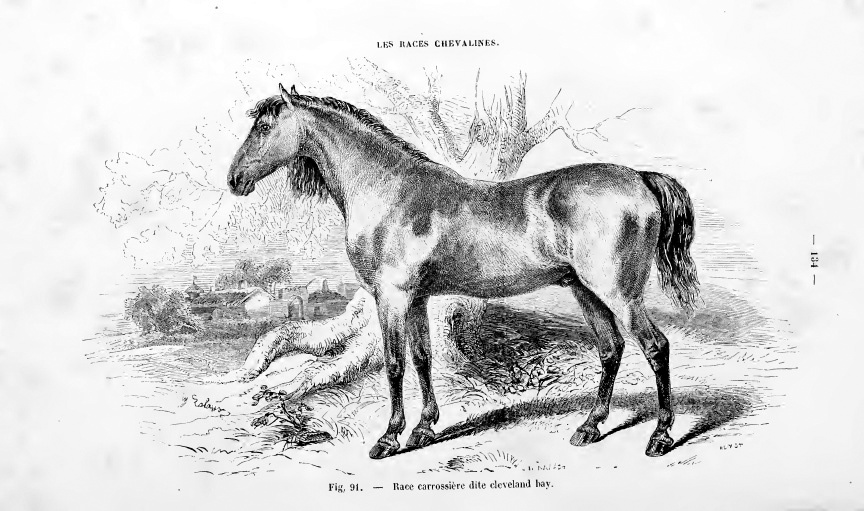
The breed's bay body, black points and substantial build distinguish it from many other medium-weight riding horses. Cleveland Bays also contributed to sport-horse production through crossing. That commercial success brought a conservation problem: producing valuable crosses did not necessarily create enough purebred replacements. The Conservancy's historical account records only six living purebred stallions in 1960.
The Fell is usually smaller and lighter than the related Dales Pony. Its substantial mane, tail, lower-leg feathering and strong feet contribute to its familiar appearance. The breed's riding and driving versatility reflects a working history rather than a single modern show role. Some breeders continue traditional management in wide-ranging fell herds.
The Mountain Pleasure Horse Association formed in 1989 to preserve the horses' type, natural gait and temperament. Its early use of blood typing, followed by DNA parentage testing, is part of the registry history. The four-beat intermediate gait is described as maintaining a regular rhythm across speeds. The breed remains distinct from the closely related Rocky Mountain Horse.
Highlands are substantial ponies with strong bodies, useful coats and a range of colors. Their identity is linked to carrying and pulling work as well as riding. Their name should not turn the profile into a generic mountain-pony story: Scotland's landscape, local management and breed organizations are part of the explanation.
The breed's identity includes its characteristic coat and pale muzzle as well as adaptation to exposed conditions. Its historic continuity is valuable, but resemblance to prehistoric artwork cannot by itself prove unchanged ancestry over thousands of years. The better documented management and recovery histories give learners a firm starting point.
Quebec breeders opened a studbook in 1886, and their society followed in 1895. Conservation remained necessary despite government breeding programs. The Conservancy records fewer than 400 remaining horses in 1976; that is a historical milestone, not today's census. Canada recognized the breed as its national horse in 2002. Canadians are sturdy riding and driving horses, commonly black or bay, with substantial manes and tails.
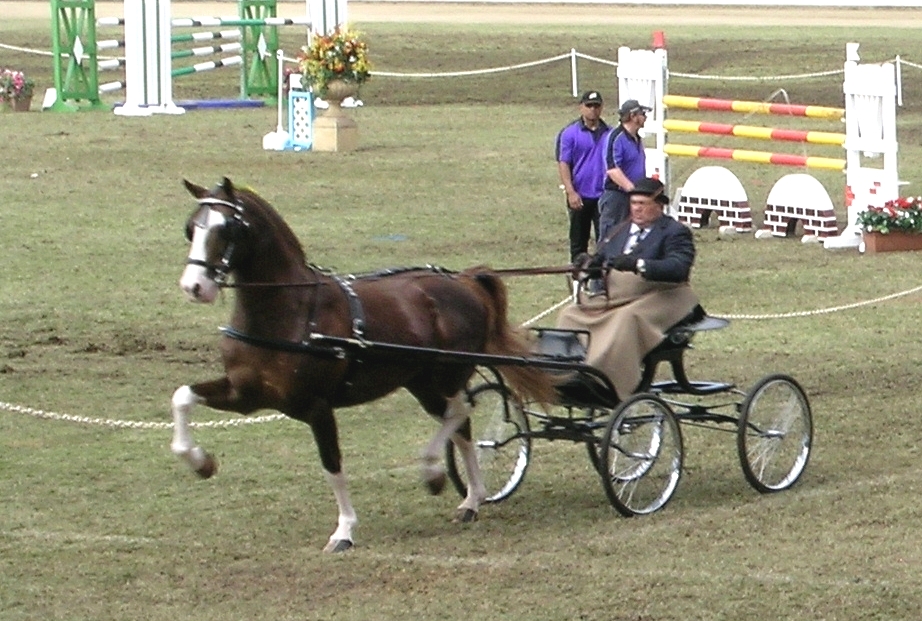
Changes in transport altered the breed's work. Shorter carriage journeys placed greater emphasis on style and conspicuous action. The horse's elevated, energetic trot remains a central part of its identity, but the Hackney Horse is distinct from the Hackney Pony developed through crossing with pony breeds. Conservancy concerns apply to the horse population and especially to remaining historic strains.
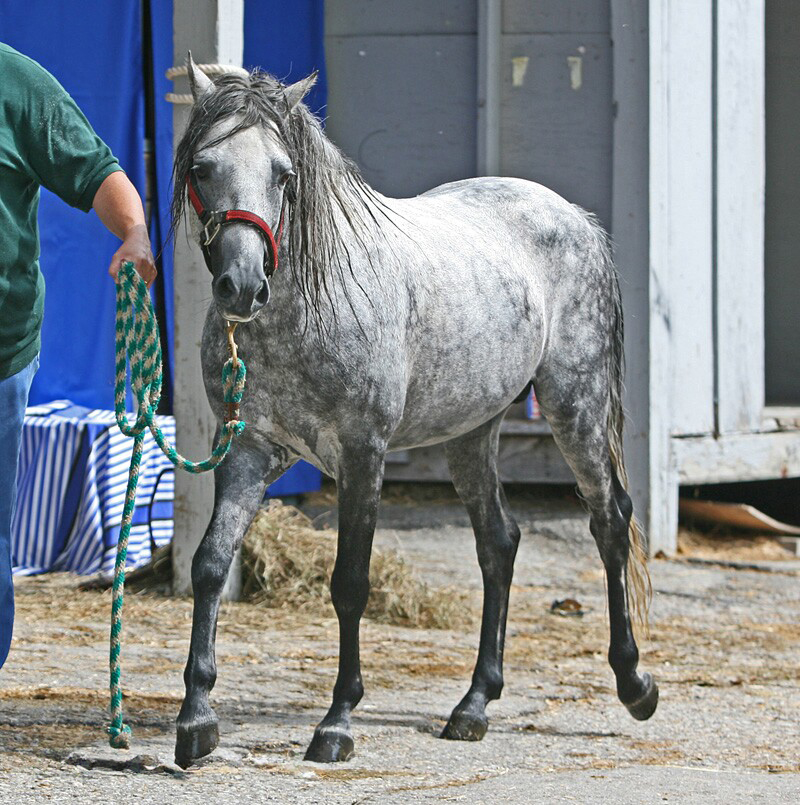
A fine coat, sparse mane and distinctive silhouette help identify the breed in photographs. Some coats show a striking sheen, but color does not define every animal. Akhal-Tekes have participated in endurance, dressage and jumping; their unusual conformation can challenge expectations formed around more familiar sport-horse types.
Suffolks are chestnut, with a compact, rounded appearance reflected in the familiar name Suffolk Punch. Their legs lack the long feathering associated with some other draft breeds. Exports brought the horses to Canada and the United States, but mechanized farming later reduced demand dramatically. A small number of breeders carried the population through that decline.
Small horses in ancient Persian art are part of the cultural and research background, but similarity in artwork is not proof of an uninterrupted registered pedigree. The Conservancy describes continuing scientific interest in the Caspian's relationships and antiquity. Its refined proportions and riding identity distinguish it from the assumption that all small equines have the same pony type.
The pony is relatively small, light in build and useful for riding and driving. Trotting and jumping feature in the Conservancy's account. North American imports began in the 1950s, with a registry following in the 1960s. The regional population later faced its own severe decline, even while Sweden retained a stronger center of the breed.
Forced removal brought terrible losses to people and horses. Choctaw families later rebuilt ranching and farming livelihoods in Oklahoma, but war and theft again damaged their herds. Families in Oklahoma and Mississippi retained horses, and later conservation work, including that associated with Bryant Rickman, helped keep this distinct population visible. The tribal account identifies today's Choctaw pony with the old herds and the Blackjack Mountains.
The Fund formed in response to growing risks as roads and development increased contact between horses and people. Its history records vehicle deaths after the road between Duck and Corolla was paved. Habitat protection now includes efforts to keep suitable land connected. Banker therefore names a locally adapted population, not every horse roaming a beach.
The Carolina Marsh Tacky Association formed in 2007, and South Carolina recognized the breed as its State Heritage Horse in 2010. The association describes an adaptable small working horse and reports gait research conducted with Mississippi State University. In that project, ten horses from different bloodlines were filmed for analysis of intermediate-gait timing; a research sample should never be read as a breed population count.
A 1991 account reproduced by the initiative describes assessment, blood typing and the transfer of horses to conservation breeders as drought and a removal deadline complicated the rescue. These were ranch horses shaped by a particular landscape and management history, rather than simply an interchangeable western mustang group. The rescue aimed to distribute genetic variation among the new breeding groups.
Florida designated the Cracker as its official state horse in 2008. The state account describes a small, practical riding horse associated with endurance and traditional ranching. Its link with cattle explains why agility, useful movement and stamina belong in an introduction alongside ancestry. The horse is distinct from the similarly named Florida Cracker cattle and sheep.
Dun and grulla coloring, dorsal stripes, leg barring and distinctive head and body traits feature in the agency's description. None of these visible features alone is a complete ancestry test. A Sulphur conservation account must identify whether it discusses the herd management area, a horse adopted from it or a selected Colonial Spanish strain maintained under a registry's rules.
Shires are large draft horses with substantial bodies and feathered lower legs. They worked city transport as well as farms. Mechanization reduced both markets, and numbers reached a low point during the twentieth century. Promotional hitches later helped retain public attention. The breed's size and appearance are memorable, but its working relationships explain why it existed.
The Dartmoor Pony Society formed in 1924. Joan Dunning's imports and the establishment of an American registry in 1936 became part of the North American story. Dartmoors are small ponies associated with substantial manes and tails, useful movement and children's riding or driving. A pony living on Dartmoor is not automatically a registered purebred Dartmoor.
When ranching ended, the horses' future became uncertain. Veterinarian Karen Blumenshine advocated investigation, and genetic evaluation contributed to the conservation effort. The last horses left the island in 1998 and entered the care of the Wild Horse Sanctuary. Later stewards, including Sunshine Sanctuary and El Campeon Farms, continued breeding and promotion. UC Davis has also described research collaboration aimed at preserving the population's genetics.
Baca selected for temperament, conformation, smaller stature and endurance while maintaining the bloodlines as a distinct population. Joty and Virginia Baca were recognized by New Mexico in 2005 for their preservation work. The remaining farm herd was dispersed near the end of Joty's life in 2013. Today's strain identity therefore follows a particular breeding legacy rather than a generic description of Spanish ancestry.
Critical, Threatened, Watch and Recovering are this organization’s domestic-breed categories. Their definitions vary between livestock, rabbits and poultry. A category threshold is not a census of this breed, and a registry’s annual registrations are not a count of every living animal.
Compare future population figures by assessment year, geography and the animals counted. Keep a wild relative’s IUCN assessment separate from a domestic breed’s status.
Scientific field notes
Where these animals belong.
The domestic horse profile here follows Equus caballus. Taxonomic classification identifies the species; a studbook and pedigree document particular breed populations and families.
Ranks follow the linked reference’s treatment. Domestic names and wild relatives may be handled differently by other authorities.
Kingdom
Animalia
Phylum
Chordata
Class
Mammalia
Order
Perissodactyla
Family
Equidae
Genus
Equus
Species / domestic context
Equus caballus
Explore beyond appearance
Four questions for a living legacy.
01
PPR as the founding conservation priority
What does the source actually establish, and which claims still need evidence?
02
Breed identity and registry evidence
How did people, place and practical use shape the population we see today?
03
Gait, anatomy and cultural history
Which living breeding families can carry the population into another generation?
04
Pedigrees and practical preservation
What would responsible stewardship require in time, facilities and ongoing support?
Knowledge belongs with its animal world.
Explore general horses knowledge in the species library. Each population has its own collection for breed-specific history, identity and conservation reports.