
Distinctive action and responsible work
The Hackney's elevated trot is an arresting sight, but useful observation includes the whole horse rather than one raised knee.
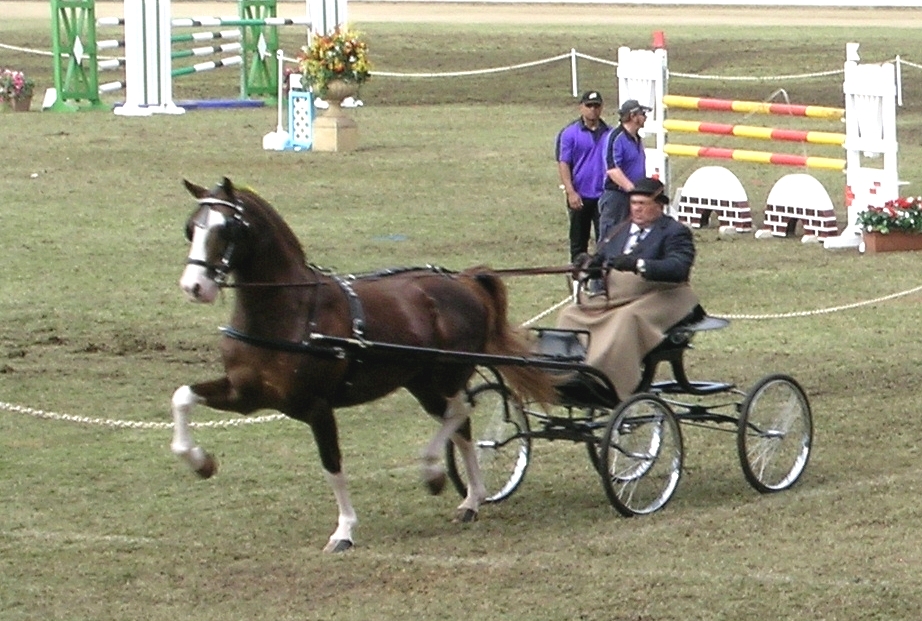
The Hackney's elevated trot is an arresting sight, but useful observation includes the whole horse rather than one raised knee. Watch the relationship between forward movement, hindquarter action and the horse's response to its handler. A photograph can introduce the type without establishing working soundness.
University of Minnesota Extension recommends routine hoof attention and collaboration with farrier and veterinarian. General principles of care should accompany the breed's action, rather than be replaced by a prescriptive shoeing claim based solely on appearance.
A carriage prospect also needs a clear training history. Ask what harness, vehicles and driving arrangements it knows and whether the proposed role is familiar. Experience as part of a team does not automatically describe its behaviour in every single-horse setting, just as a riding record does not establish driving preparation.
These details help retain the relationship between style and function that shaped the breed. The goal is a capable partnership supported by suitable equipment, instruction and care. Public admiration can attract new owners, while realistic information about the individual makes it more likely that they can maintain the horse responsibly after the first excitement of its spectacular trot.
Sources behind this article
This is original Conservation Legacy teaching informed by the sources below. Follow the official material for the full account and its context.