
Lilac
Care foundations
One living story. Knowledge kept together.
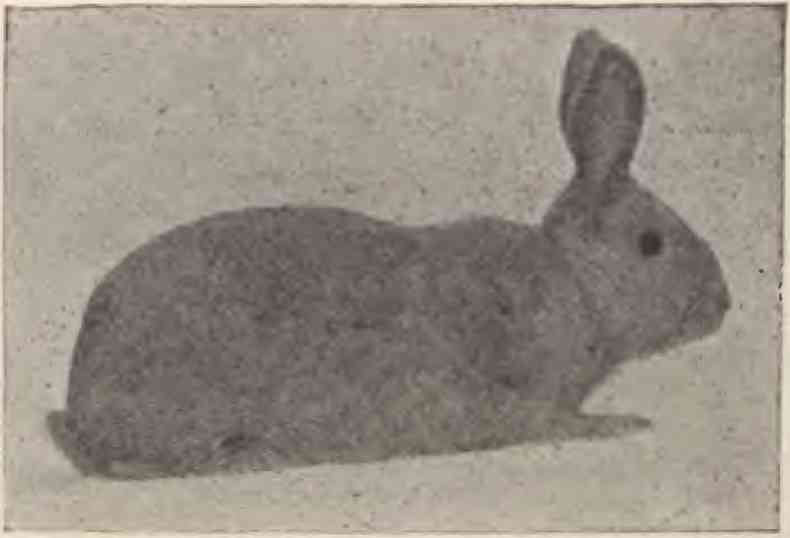
Archival Lilac buck, labeled in the 1928–1929 ARBA predecessor guidebook, printed page 61. Historical monochrome photograph; coat color cannot be judged from this image. · American Rabbit and Cavy Breeders Association · ARBA Digital Library · Public domain in the United States · published 1928 · License terms
Understanding rabbits: care foundations
Rabbits are specialized herbivores. Cecotrophs are nutrient-rich products of cecal fermentation that rabbits normally consume directly; this behavior is part of digestion, not a sign of poor hygiene. Fiber, suitable complete feed and dependable water are central to explaining their nutritional needs. A rabbit's appetite and droppings are useful everyday observations: reduced eating or fewer droppings can signal a problem needing prompt veterinary assessment. Production, wool and companion-rabbit systems differ, so a page should identify which management setting it describes.
These are general species foundations. The breed's own history and traits help explain how it developed, while an individual animal's age, environment and purpose shape its daily needs. Preservation includes keeping animals healthy enough to express normal behavior and maintain future generations. Compare dependable husbandry guidance with breed registry descriptions, and distinguish inherited traits from assumptions about toughness. Teaching the reasons behind care decisions gives readers a stronger foundation than applying one feeding formula to every animal.
Merck Veterinary Manual · Merck Veterinary Manual · Merck Veterinary Manual · Merck Veterinary Manual
Bring this population’s identity into the picture.
The characteristic pinkish dove-gray coat gives the breed its name. Historical strains varied in color and size, so a Lilac-colored rabbit is not necessarily the established Lilac breed. Overall type and documented breeding continuity distinguish a breed from a color mutation.
The breed description explains historical traits and recorded roles. Daily care also depends on an individual’s condition, age, environment and activity. A statement about historical adaptation does not establish immunity to disease or eliminate the need for suitable nutrition and shelter.
Read the species care foundation guide →General rabbit care: an individual timeline
The Conservancy describes relatively slow maturity. Keep growth and body-condition observations over time rather than forcing every young Lilac toward one adult-weight timetable. General rabbit care also requires recognizing subtle illness. A quiet temperament should not make an abrupt reduction in activity or eating seem normal.
Sources for general species learning
Sources behind the breed’s story.
The original history, identity and conservation teaching above draws on these cited accounts. Official links open the full material for further study.
Keep learning from official information.
These research portals help locate further material. A search link is a route for exploration; it is separate from the sources used for the article above. Domestic breed information, wild-species assessment, historical books and new research need their own context.
- FAO DAD-IS · Domestic breed information
- IUCN Red List · Species assessments
- Biodiversity Heritage Library · Historical literature search
- USDA National Agricultural Library · Research search
- Google Scholar · Scholarly literature search
- Open Library · Book catalogue search
- HathiTrust · Digitized catalogue search