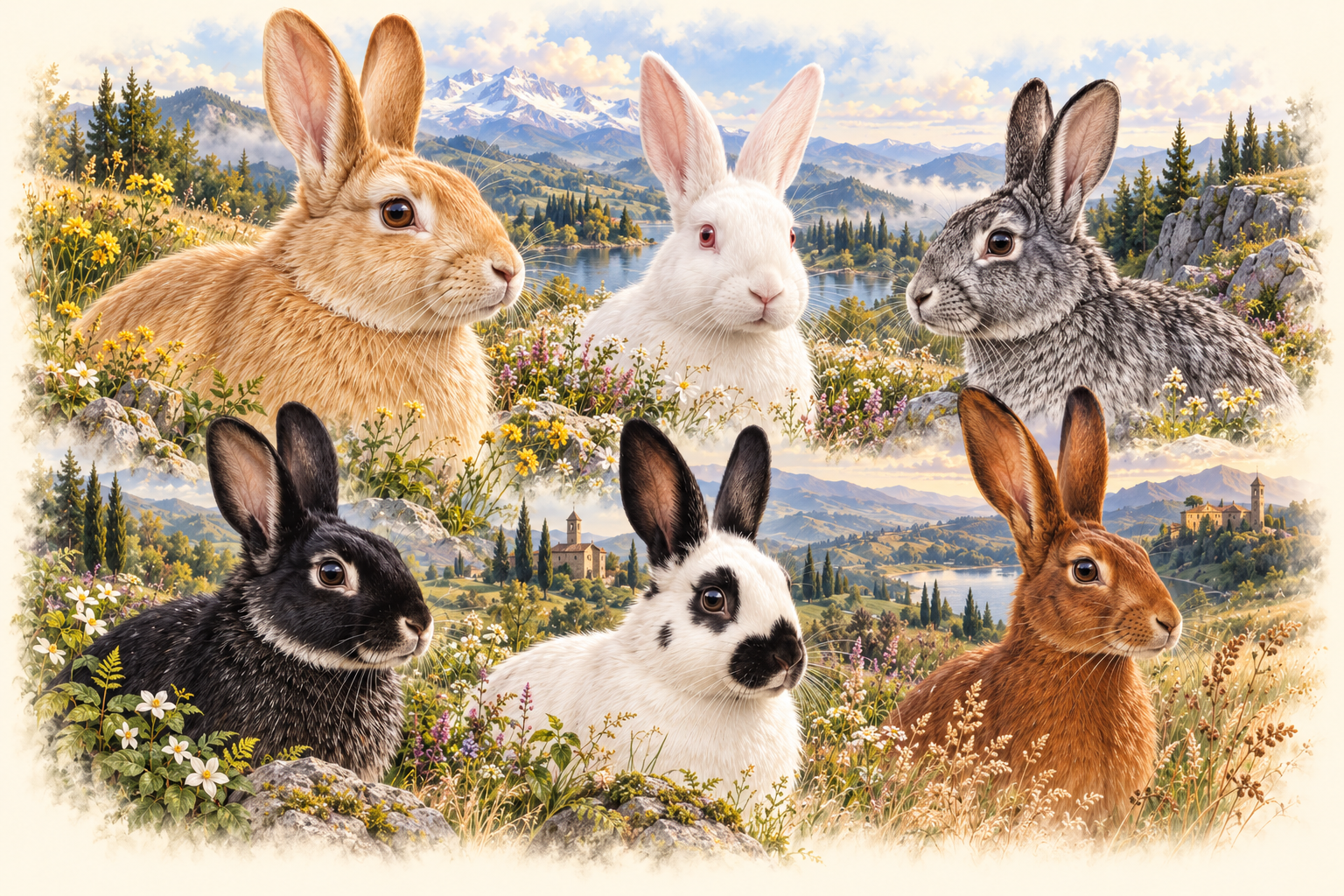
Rabbit breeds can hold substantial heritage in a small footprint. Coat, size and form are an introduction, while pedigrees, standards and breeder continuity reveal the population underneath. A show entry, a registration and a living breeding animal are different measurements. Conservation depends on understanding those distinctions and on maintaining healthy, documented families rather than relying on a breed’s name alone.
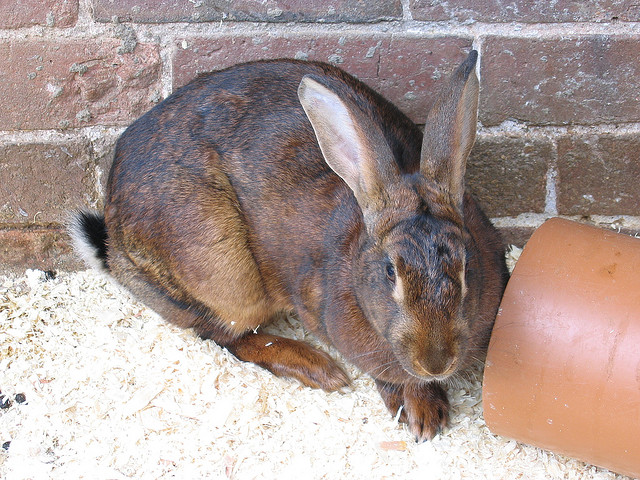
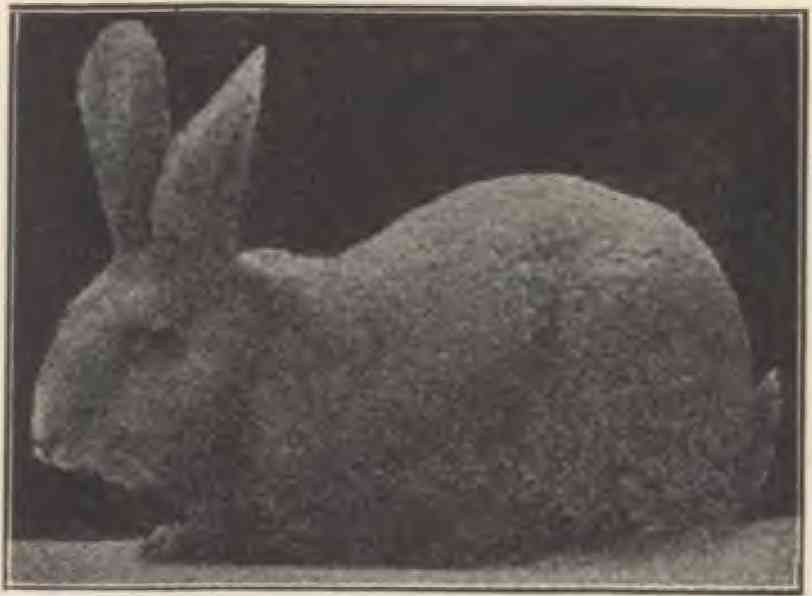
Giant Chinchilla rabbit pictured in a transport carrier. Partial portrait; not a full-body conformation reference. · JanH1961 · CC BY-SA 3.0
Threatenedbreed
Giant Chinchilla
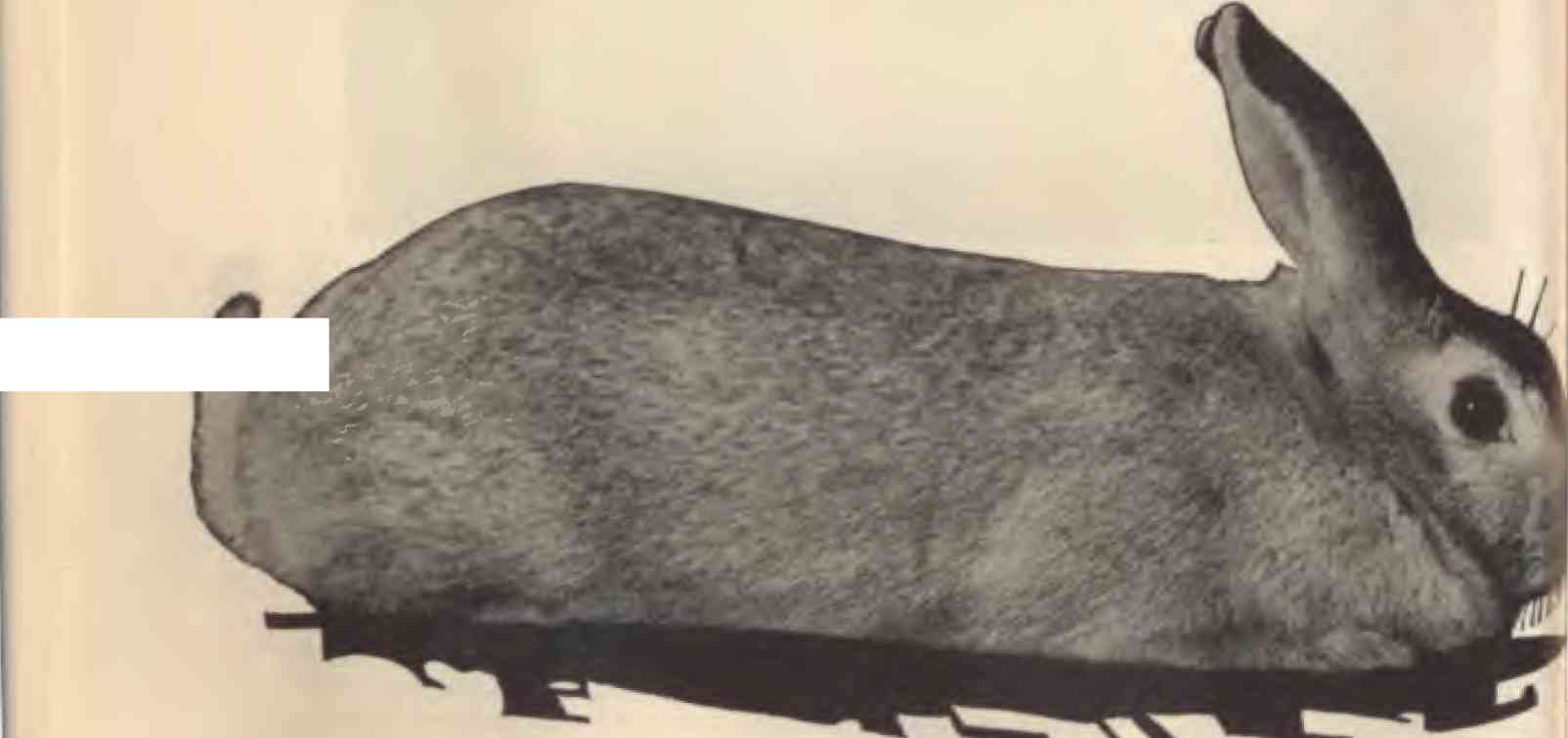
The Giant Chinchilla combines large size with the gray, banded coat associated with Chinchilla rabbit breeding. It is a domestic rabbit, not the South American rodent whose fur inspired the name. The Giant, American, and Standard Chinchillas are distinct rabbit breeds and should have separate libraries.
The long-legged, athletic outline was selected to resemble a wild hare. Despite its name and appearance, the Belgian Hare is a domestic rabbit, not a rabbit–hare hybrid. That distinction is central to its scientific profile and prevents a persistent historical misconception.
The distinctive nose marking resembles a butterfly, which helps explain the European Papillon name. Colored ears, a dorsal stripe, and defined body spots contribute to the breed's pattern. Large size and overall type remain important identifiers beyond the markings.
Silver hairs appear within the coat, giving the breed its name. This is a specific established rabbit breed, distinct from the Silver Marten and other rabbits with silver-associated names. Color terminology can describe a trait without identifying a breed.
The characteristic pinkish dove-gray coat gives the breed its name. Historical strains varied in color and size, so a Lilac-colored rabbit is not necessarily the established Lilac breed. Overall type and documented breeding continuity distinguish a breed from a color mutation.
Its coat resembles the gray fur that made South American chinchillas famous, but the animals are scientifically distinct. The American Chinchilla is also separate from the Standard and Giant Chinchilla rabbit breeds. Size, type, and breeding continuity clarify the differences that color alone cannot.
The breed's warm coloration gives it a recognizable identity that echoes a familiar horse color name. That naming similarity does not imply any genetic relationship with horses. Its development combined a commercial farm purpose with exhibition interest rather than color alone.
The American has a characteristic mandolin-shaped body and a historic meat-and-fur purpose. Blue and White varieties belong to its established identity. It should be distinguished from the American Chinchilla, another breed whose similar national name can otherwise confuse article searches.
The white coat and narrow black eye bands make the breed immediately recognizable. Blanc de Hotot means White of Hotot. This larger breed should be distinguished from the separately developed Dwarf Hotot when choosing illustrations or discussing size.
The combination of contrasting colored markings on a pale background distinguishes the breed. Its butterfly-shaped nose marking connects it visually with other spotted rabbits, but the Rhinelander's specific pattern and breeding history are separate. Blue and black-based descriptions should identify the variety being discussed.
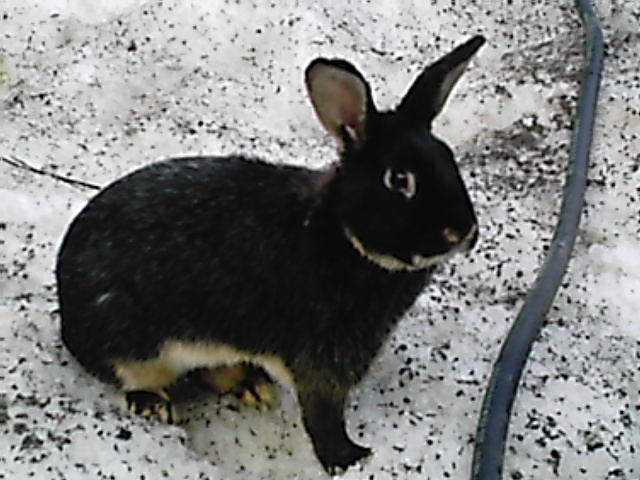
A dark upper coat contrasts with lighter areas under the chin, belly, tail, and inside the ears, with pale eye rims and silver ticking. The name refers to resemblance to a wild marten's pattern. The rabbit is neither a marten nor a cross with one.
The Beveren's fur-production history includes selection for a clear, attractive coat color. Its established body type and breeding identity matter as much as that color. Historical references to giant forms should not be silently merged with measurements from the modern standard breed.
The creamy silvered coat links its appearance with the wider Argent rabbit tradition. It is a distinct breed rather than a color label for every pale rabbit. Its heritage includes both fur and meat production, giving body structure a place beside attractive coloration.
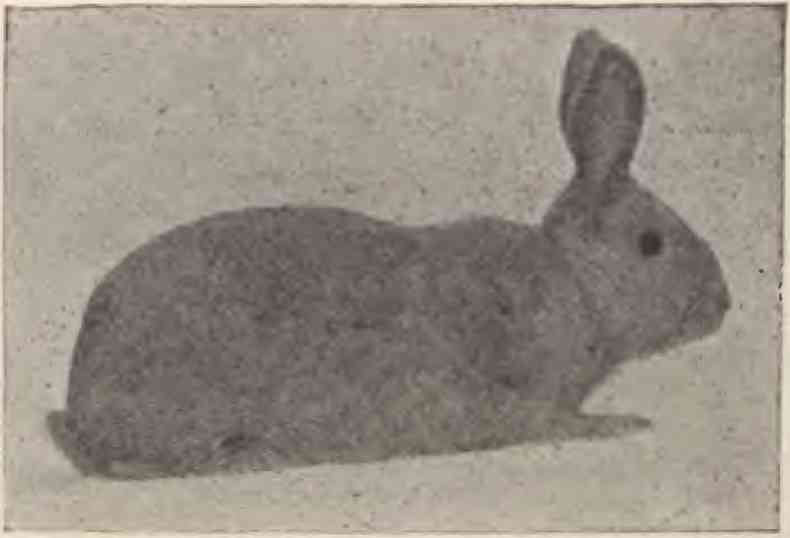
The Standard is a distinct domestic rabbit breed, separate from the American and Giant Chinchillas. Its identity lies in both characteristic coat and established size and type. Calling all three simply Chinchilla rabbits loses important information about separate breeding histories.
A silver-frosted brown coat is the defining visual impression, combined with a substantial meat-rabbit body. The Conservancy describes an ideal mature weight around nine pounds. Mothering and temperament are practical parts of the profile, although individual performance should not be guaranteed from a breed description.
Critical, Threatened, Watch and Recovering are this organization’s domestic-breed categories. Their definitions vary between livestock, rabbits and poultry. A category threshold is not a census of this breed, and a registry’s annual registrations are not a count of every living animal.
Compare future population figures by assessment year, geography and the animals counted. Keep a wild relative’s IUCN assessment separate from a domestic breed’s status.
Scientific field notes
Where these animals belong.
Domestic rabbit breeds belong to the European-rabbit species, Oryctolagus cuniculus. A breed called Belgian Hare is still a domestic rabbit breed; its common name does not make it a true hare.
Ranks follow the linked reference’s treatment. Domestic names and wild relatives may be handled differently by other authorities.
Kingdom
Animalia
Phylum
Chordata
Class
Mammalia
Order
Lagomorpha
Family
Leporidae
Genus
Oryctolagus
Species / domestic context
Oryctolagus cuniculus
Explore beyond appearance
Four questions for a living legacy.
01
Breed standards and historical purpose
What does the source actually establish, and which claims still need evidence?
02
Show records versus living-population counts
How did people, place and practical use shape the population we see today?
03
Pedigrees and breeder participation
Which living breeding families can carry the population into another generation?
04
Housing, heat management and species-specific care
What would responsible stewardship require in time, facilities and ongoing support?
Knowledge belongs with its animal world.
Explore general rabbits knowledge in the species library. Each population has its own collection for breed-specific history, identity and conservation reports.