
Five ways one horse can help preserve the Puerto Rican Paso Fino
Breeding is one preservation role, not the only one: sound use, accurate teaching, connected records and lifelong care also keep a living breed visible and knowable.
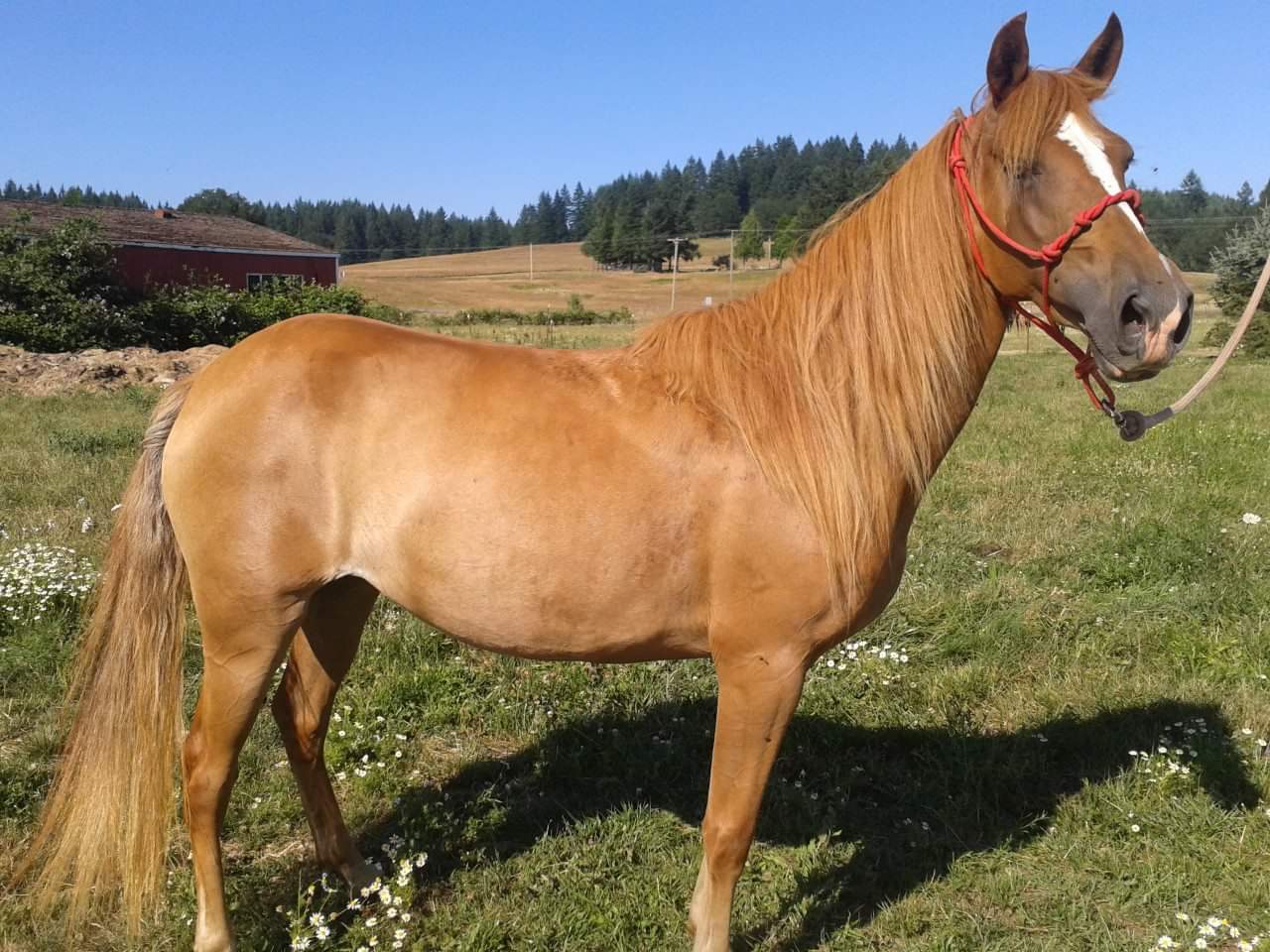
A rare-breed horse does not need to produce a foal to have conservation value. The Puerto Rican Paso Fino is listed as Threatened by The Livestock Conservancy, but that category describes the breed population rather than assigning a breeding duty to every individual. A living breed also needs healthy horses in appropriate work, knowledgeable owners, accurate records, public understanding and safe homes throughout old age.
Breeding is the role that requires the narrowest evidence. Before a mating, owners should verify the horse's registry identity and eligibility, understand the documented pedigree rather than a nickname or family story, assess health, soundness, conformation and temperament, and ask how the proposed foal would add to—not merely enlarge—the breeding population. FAO guidance for small populations emphasizes defined breeding objectives and management of genetic diversity. Rarity by itself is not a reason to reproduce a horse.
A riding horse can preserve the breed through useful, humane work. Trail riding, pleasure riding, exhibitions and carefully managed demonstrations let people encounter the Puerto Rican Paso Fino as a functional horse rather than a museum label. The work must fit the individual horse's training, health and disposition. Visibility helps only when it presents sound horsemanship and does not turn gait, speed or spectacle into the horse's entire identity.
A teaching horse can connect movement with history and culture. An owner may document how the horse is handled, explain the natural four-beat gait without exaggeration, record oral history with permission, or help a youth audience compare the breed with the broader Paso Fino community. Good teaching labels what is directly observed, what comes from a registry or publication, and what remains a family account awaiting corroboration.
A record-keeping home protects evidence that is easily lost. The PPRPFFA publishes separate forms for registration, ownership transfer, DNA typing and stallion breeding reports because these documents answer different questions. Keeping the registered name and number connected with transfer papers, dated photographs and care history helps the next owner and the wider community understand which horse is being discussed. Public education does not require publishing a private address or confidential veterinary detail.
Lifelong stewardship is itself a preservation role. A gelding, retired mare, nonbreeding stallion or horse that never enters a show can still represent the breed through excellent daily care and an intact identity trail. Responsible conservation includes a realistic plan for ordinary care, emergencies, rehoming and end-of-life decisions. The goal is not the largest number of foals; it is a viable, diverse and well-cared-for population whose horses remain connected to trustworthy knowledge.
Five preservation roles. Only one requires breeding.
One horse may fill several roles over a lifetime. Each role has its own evidence and responsibility.
Breeding candidate
Requires the most evidenceVerified identity and eligibility, health and soundness, documented pedigree, population-aware mate selection, reproductive planning and a lifetime home for every foal.
Working ambassador
Requires a suitable individualHumane trail, pleasure, exhibition or demonstration work can keep the breed visible as a functional horse. The job must fit this horse—not an idealized breed description.
Teacher and cultural witness
Requires accurate contextExplain observed gait, history and care with named sources. Record oral history with permission, and label tradition separately from evidence that has been independently verified.
Keeper of records
Requires continuityKeep registered identity, transfers, dated photographs and relevant history connected. Share educational facts without exposing private addresses or confidential veterinary information.
Lifelong stewardship
Applies to every horseDaily welfare, emergency planning, responsible rehoming, retirement and humane end-of-life care protect the living animal behind the conservation story.
Preservation rule: begin with the individual horse's welfare and documented identity; choose the role that the horse and home can sustain responsibly.
Sources behind this article
This is original Conservation Legacy teaching informed by the sources below. Follow the official material for the full account and its context.
- The Livestock Conservancy — Puerto Rican Paso Fino breed profile ↗
- The Livestock Conservancy — 2026 Conservation Priority List ↗
- FAO — In vivo conservation of animal genetic resources ↗
- Pure Puerto Rican Paso Fino Federation of America — registration, transfer, DNA and stallion-report forms ↗
- AAEP — Care Guidelines for Equine Rescue and Retirement Facilities ↗