Three measures, three different questions
How to read the PPR’s conservation category, United States registry figure and global estimate without turning unlike measures into a false census.
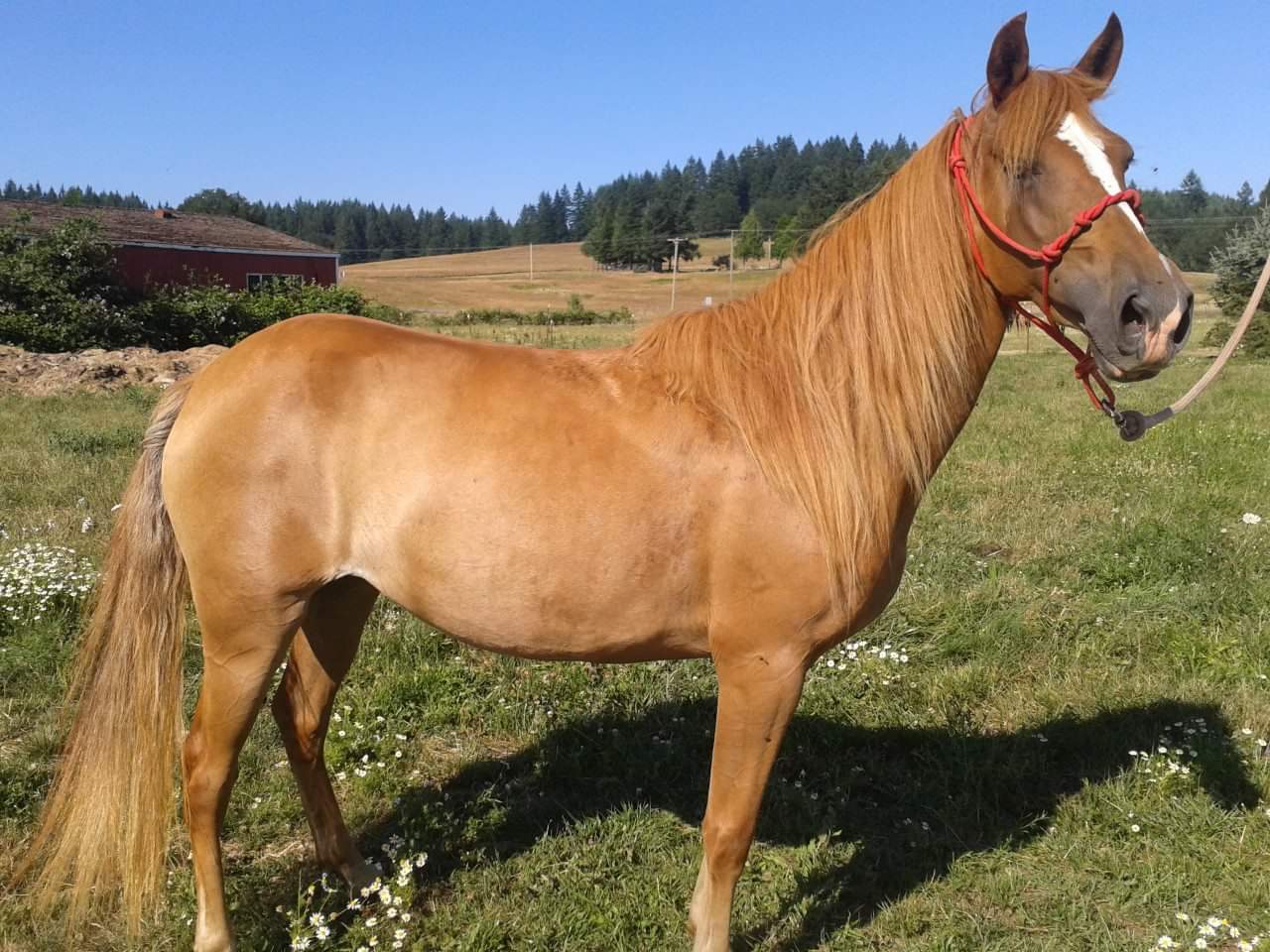
The Puerto Rican Paso Fino is listed as Threatened on The Livestock Conservancy’s 2026 Conservation Priority List. Threatened is a priority category under that organization’s criteria; it is not an IUCN assessment and it is not itself a count of living horses. The category signals that population monitoring and continued conservation breeding matter, but it cannot tell a reader how many horses are alive on a particular date.
The Conservancy’s breed profile, updated August 20, 2025, gives two additional statements: fewer than 500 Puerto Rican Paso Finos are registered in the United States, and fewer than 2,500 can be found globally. The first is registry-bounded and geographically limited. The second is a broader global estimate. Because the definitions and scopes differ, subtracting one from the other would not produce a defensible Puerto Rico total.
A registration record is also not automatically a living-animal census. Registries preserve identity and pedigree across time, so their historical records may include horses that are no longer alive. A living-population estimate needs a stated census date, a way to identify current status, and rules for avoiding duplicates. Annual registrations answer yet another question: how many new records were created in a year, not how many horses survive.
Registry infrastructure still matters. A 2022–23 Livestock Conservancy microgrant announcement described an upgrade for the Pure Puerto Rican Paso Fino Federation of America’s pedigree-search and hypothetical-mating tools, with services intended to expand to Puerto Rico. That announcement documents a records project, not a population count. It shows why preservation requires both reliable source records and careful interpretation.
Conservation Legacy’s working method keeps four layers separate: the original registry or association record; a canonical horse identity when duplicate records can be reconciled; a likely-living status supported by dated evidence; and a verified-living status confirmed through an authorized current source. Private owner, farm and horse details remain private unless permission is granted. Aggregate teaching should report its date, geography, inclusion rules and uncertainty rather than exposing individual records.
Conservation status and source-reported population evidence
Domestic breed conservation category
- Assessment year / period
- 2026 Conservation Priority List
- Geography / scope
- The Livestock Conservancy assessment; not a global count
- Source organization
- The Livestock Conservancy
- Source verified
- 2026-10-19
This category describes conservation priority. It does not establish how many PPR horses are alive. A current global census, US living total and annual registration total have not been verified for this panel.
Read the source →Registered horses
- Assessment year / period
- Breed profile updated August 20, 2025
- Geography / scope
- United States
- Source organization
- The Livestock Conservancy · Puerto Rican Paso Fino profile
- Source verified
- 2026-10-19
A source-reported registry figure, not a count of verified living horses, annual registrations, or the Puerto Rico population.
Read the source →Estimated horses found globally
- Assessment year / period
- Breed profile updated August 20, 2025
- Geography / scope
- Global
- Source organization
- The Livestock Conservancy · Puerto Rican Paso Fino profile
- Source verified
- 2026-10-19
A broad source estimate with a different definition and geography from the US registry figure. Do not subtract the two to infer an island total.
Read the source →These measures describe different dates, places and populations. They should not be added together or treated as a new census conducted by Conservation Legacy.
Sources behind this article
This is original Conservation Legacy teaching informed by the sources below. Follow the official material for the full account and its context.