
Before you bring home a Puerto Rican Paso Fino
A breed-aware ownership guide for matching the living horse, rider, home, records and long-term preservation responsibility.
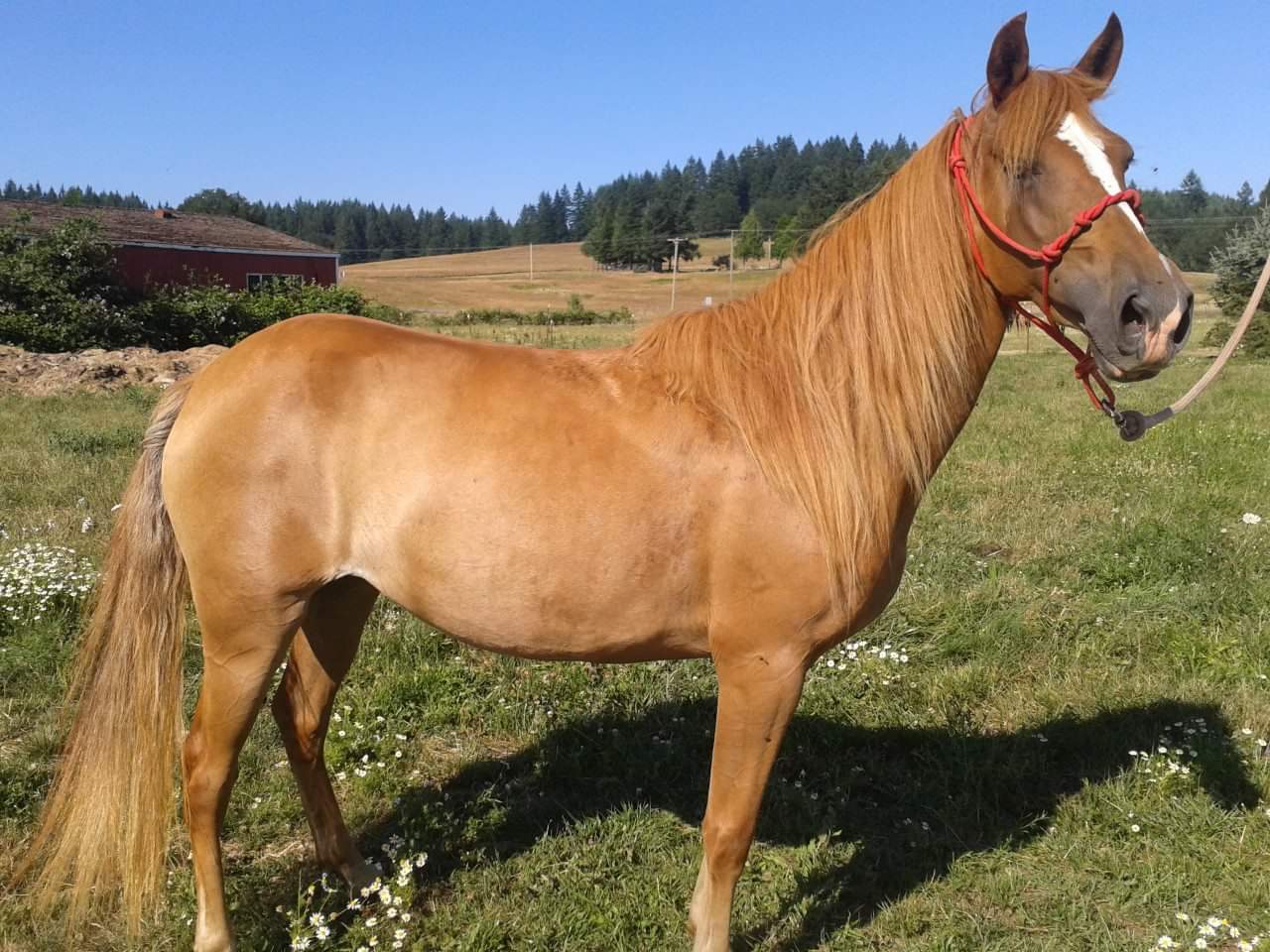
A Puerto Rican Paso Fino should not be chosen only because the breed is rare, beautiful or famous for a smooth four-beat gait. The Conservancy describes a 13–15 hand, sure-footed and intelligent saddle horse, but a population description cannot predict the training, confidence, sensitivity, health or handling history of one individual. The first question is whether the horse in front of you fits the rider and home that actually exist.
Define the intended life before evaluating a sale description. A family trail horse, youth mount, breeding animal and advanced performance prospect ask different things of the horse and owner. Observe the horse being caught, led, groomed, tacked and ridden in circumstances relevant to that intended use. A gait video can show rhythm on one day; it cannot replace direct observation of transitions, steering, stopping, comfort, behavior away from stablemates and recovery after work.
Arrange a pre-purchase examination with a veterinarian working for the buyer. AAEP guidance treats the examination as a documented health snapshot and leaves the final suitability decision to the buyer. The veterinarian determines the appropriate examination and diagnostics; the buyer supplies the intended use, risk concerns and available history. A clean-looking advertisement, registry certificate or familiar bloodline is not a veterinary finding or a warranty of future soundness.
Read identity records by their actual purpose. Registration, transfer, DNA typing and stallion breeding reports answer different questions. Match the horse’s registered name, identifier, markings and current ownership documents, then ask the responsible registry about current requirements. A nickname, photograph or visual resemblance does not establish a complete pedigree. Missing paperwork should remain an identified uncertainty until the underlying record is found.
Test the home plan against an ordinary difficult week. Who provides daily water, forage, turnout, hoof care and observation when the primary owner is ill or away? Is there safe fencing, shelter, transport access, quarantine space and a relationship with an equine veterinarian and hoof-care professional? Breed hardiness never removes those needs. Budget and labor should include routine care, emergencies and a humane plan for the horse’s later years.
Breeding adds a conservation obligation; rarity alone is not a reason to reproduce an individual. A responsible plan considers registry eligibility, documented ancestry, reproductive and general health, conformation, temperament, soundness, the representation of recent families and a lifelong placement plan for the foal. A riding-only or non-breeding home can still support preservation by providing excellent lifelong care, sharing accurate education and keeping identity records intact.
Six decisions before the trailer moves
Move in order. A “not yet” is useful information—not a failed search.
Purpose and rider fit
What must this individual horse safely do?Write the real job first: pleasure riding, breeding, exhibition, youth use, or another purpose. Observe the actual horse with the intended handler; breed reputation cannot prove individual suitability.
Gait and training
Can you evaluate the horse beyond a beautiful gait?Watch rhythm, balance, steering, stopping, transitions, willingness, and recovery. A gait label does not replace a complete ridden and in-hand assessment.
Veterinary snapshot
Has the buyer chosen the veterinarian and the exam scope?A prepurchase examination records findings at one moment. The buyer—not the seller—should discuss intended use and decide with the veterinarian which tests are appropriate.
Identity and records
Do the horse and documents describe the same identity?Registration, transfer, breeding reports, DNA records, veterinary records, and ownership are related but different. Read the issuing registry's rules and verify names, numbers, markings, dates, and signatures.
Home capacity
Can the care plan survive an ordinary hard week?Confirm forage and water, safe turnout and fencing, hoof and dental care, veterinary access, transport, quarantine space, daily observation, weather shelter, and a reliable backup caregiver.
Conservation responsibility
Would a breeding decision preserve quality and documented diversity?Rarity alone is not a reason to breed. Soundness, temperament, pedigree knowledge, registry requirements, genetic stewardship, suitable homes, and a lifetime plan all matter. A well-kept nonbreeding horse can still teach and represent the breed.
Decision rule: if identity, health, suitability, or long-term care is still unclear, pause and verify it before transport or payment.
Sources behind this article
This is original Conservation Legacy teaching informed by the sources below. Follow the official material for the full account and its context.
- The Livestock Conservancy — Puerto Rican Paso Fino breed profile ↗
- American Association of Equine Practitioners — Guidelines for Reporting Purchase Examinations ↗
- American Association of Equine Practitioners — Don’t Skip the Purchase Exam; April 21, 2026 ↗
- Pure Puerto Rican Paso Fino Federation of America — registration and breeding forms ↗
- FAO — In vivo conservation of animal genetic resources ↗