
Insulin dysregulation
Insulin may be high at rest or rise too much after a meal or challenge. It is the central metabolic finding to assess, even in a horse that is not visibly overweight.
HORSE HEALTH · METABOLIC CARE

Hero photograph: Barb horse by Khalil NEBLAOUI, Wikimedia Commons, CC0. A visible crest does not establish EMS or insulin status.
“Easy keeper,” “insulin resistant,” “Cushing's,” and “founder” get used loosely. The terms below describe different parts of a horse's condition.
Insulin may be high at rest or rise too much after a meal or challenge. It is the central metabolic finding to assess, even in a horse that is not visibly overweight.
EMS is a collection of features with insulin dysregulation at its center and increased risk of insulin-associated laminitis. Regional fat or obesity is common, but lean cases occur.
Pituitary pars intermedia dysfunction is a separate, often age-associated disorder. A horse can have PPID and insulin dysregulation together; its testing and treatment plan differ.
The structures supporting the bone inside the hoof are damaged. Metabolic disease is one possible cause; serious illness or mechanical overload can cause other forms.
Sources: Merck EMS review · Merck laminitis review
This is a simplified pathway, not a diagnosis of an individual horse.
PPID is a separate condition that can coexist. A horse with PPID and laminitis also needs an assessment of insulin status. Equine Endocrinology Group recommendations
A thickening neck crest, fat deposits or weight gain can prompt a conversation about EMS. So can repeated mild soreness after pasture turnout, reluctance to turn, a short stride or changing hoof rings. None of these signs is required or diagnostic. A lean horse can have insulin dysregulation, while a horse with a thick crest might not. Body condition should be recorded alongside testing and the horse's clinical history. Merck's lean and overweight examples
An older horse with delayed coat shedding, muscle loss, recurrent infections or altered drinking may prompt evaluation for PPID. Age and appearance guide a conversation; testing and clinical assessment help sort out overlapping causes. Merck PPID overview
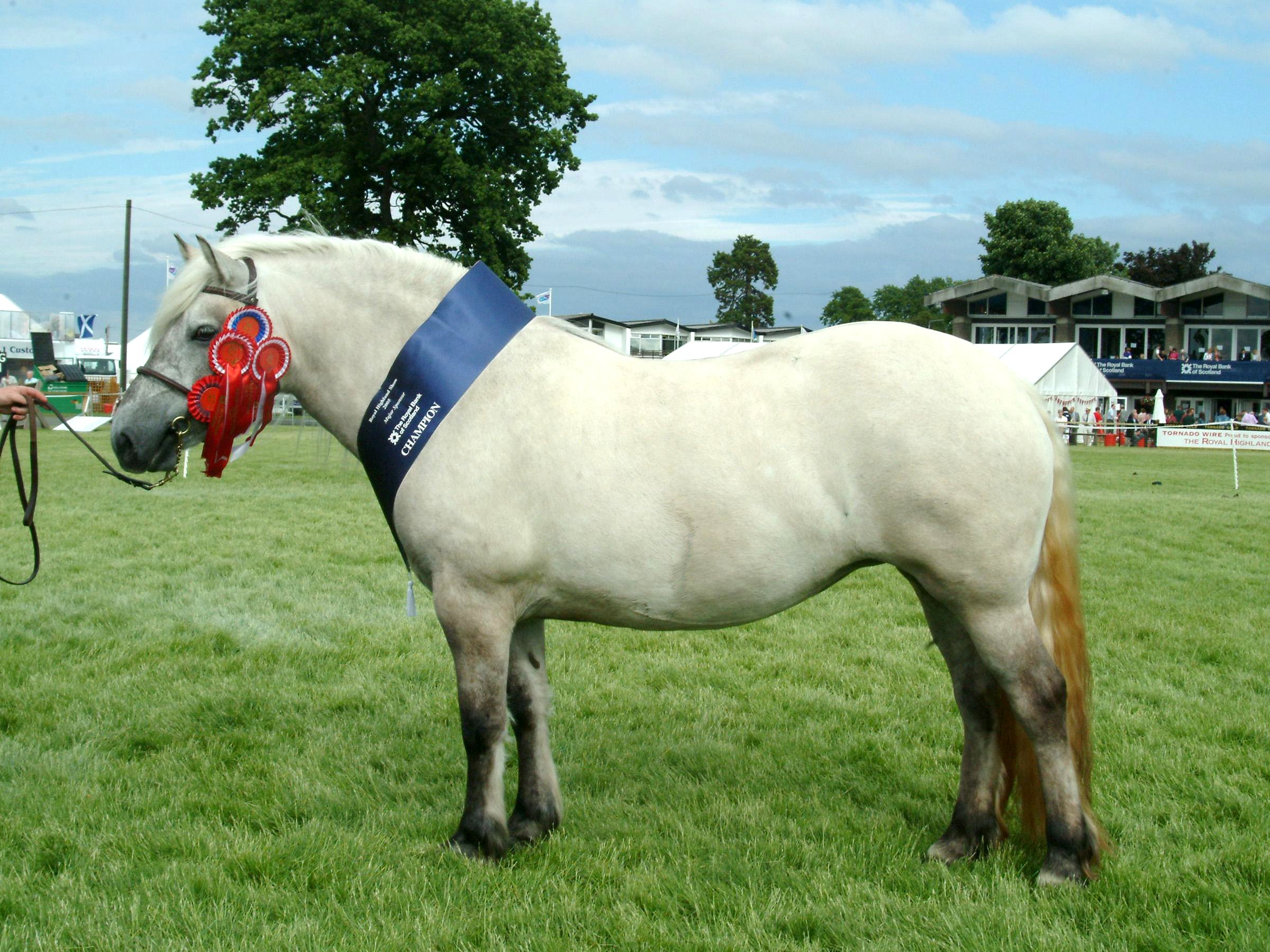
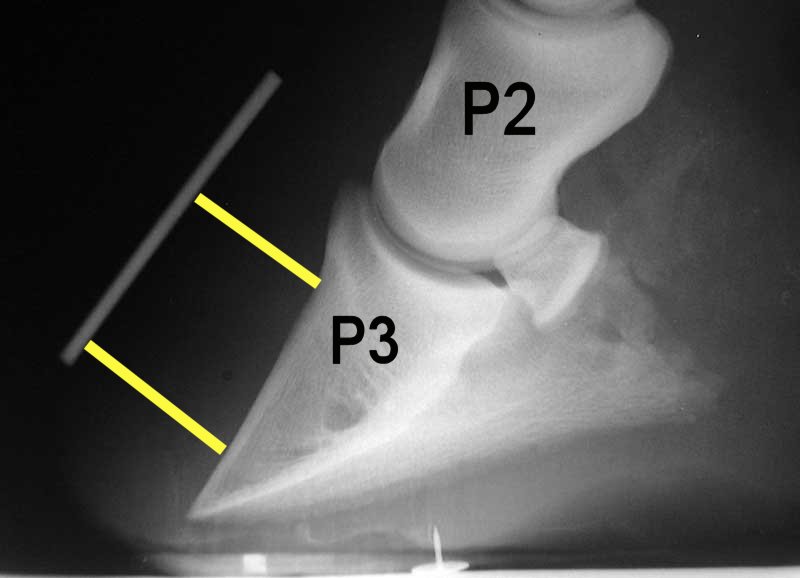
These are photographs of horses described on their source pages as having a cresty neck or regional fat, plus a documented laminitis radiograph. They show physical features, not a confirmed EMS or PPID diagnosis.
A veterinarian may choose a resting sample or a standardized oral sugar or meal test. A normal resting result alone may miss an abnormal response; timing, feed and lab method affect interpretation.
Ask about ACTH assessment and whether timing or a stimulation test is appropriate. The veterinarian interprets results against the horse's signs and the laboratory's seasonal reference ranges.
Discuss pain and lameness assessment, hoof photographs, and radiographs when warranted. Imaging helps the veterinarian and hoof professional coordinate support and follow change over time.
Do not change feed or fast a horse just to prepare for a test without the veterinarian's instructions. Bring a dated feed list, pasture hours, body condition history, hoof changes and prior test results. See the EEG's current EMS and PPID documents .
The goal is suitable forage in an appropriate amount, with vitamins and minerals balanced for the ration. Start by weighing what the horse actually eats and testing representative hay. A hay bale's color, species or “grass hay” label cannot tell you its carbohydrate content. How to read a hay analysis
Pasture can be a major source of rapidly changing carbohydrate intake. If insulin dysregulation or laminitis is suspected, ask the veterinarian about access while the horse is assessed; a dry lot still needs a safe, nutritionally complete forage plan. Hay soaking can reduce some water-soluble carbohydrate, but the result varies, nutrients can be lost, and wet hay should be fed promptly. It is a tool to consider when suitable tested hay is unavailable, not a substitute for knowing the feed. Extension forage guidance
Insulin is involved in both species, so the analogy can help start a conversation. The diagnoses and complications are different. Do not assume a horse with EMS has human type 1 or type 2 diabetes.
Diabetic ketoacidosis (DKA) is a dangerous ketone-producing crisis, especially associated with insulin deficiency in human type 1 diabetes. It is not the established mechanism of equine EMS-related laminitis. Likewise, human diabetic neuropathy can cause numbness or pain in the feet, but equine laminitis involves damage to the hoof's supporting lamellae; do not describe a horse's laminitis as human-style nerve damage. NIDDK on neuropathy · Merck on laminitis
Cold can narrow blood vessels, and experimental work in healthy horses shows that changing hoof temperature changes blood flow within the hoof. That makes circulation worth discussing when a horse becomes sore in cold weather. It does not establish that restricted blood flow causes every winter episode. Laminitis may be associated with insulin dysregulation, severe inflammation or overload of a supporting limb; a painful winter foot might instead have bruising, an abscess, old laminar damage or trouble with frozen footing. A horse can have more than one problem at once. Temperature and hoof blood-flow study · Laminitis causes
Note which feet hurt, digital pulses, stance, turns, weather, ground conditions and feed changes. Ask the veterinarian to assess a new or worsening episode promptly; examination, radiographs and insulin or PPID testing may answer different questions. A seasonal insulin study cannot diagnose the cause in one horse. Seasonal insulin study
Offer dry, forgiving, nonslip footing and shelter. After a hoof exam, ask whether a properly fitted therapeutic hoof boot and pad would improve comfort or support; check fit, rubbing and moisture.
Leg shipping boots may shield lower legs from wind, but they do not support the hoof sole or treat laminitis. There is no established evidence that they restore hoof circulation. Discuss insulation with your veterinarian, and remove boots that rub, trap moisture or cause swelling.
Veterinarians sometimes use controlled cooling early in particular forms of laminitis. Do not heat or wrap a newly painful hoof on the assumption that cold is the sole cause; seek a diagnosis and an individual plan.
Weigh forage, test hay for carbohydrates and review pasture, concentrates and treats with the veterinary team. Use an appropriate vitamin and mineral balance. Avoid sudden severe restriction, which can harm an overweight horse.
Consider a slow feeder or smaller forage meals, and track body condition, neck crest and weight tape readings over time. Recheck the actual ration when weight or insulin results do not improve.
Once laminitis has resolved and the veterinarian clears activity, start with manageable walking and build gradually. Stop and reassess if the horse shortens stride, becomes lame or resists turning. Never force exercise through active foot pain.
For painful laminitis, a veterinarian may prescribe pain relief or anti-inflammatory medication and plan hoof support with the farrier. Confirmed PPID is commonly treated with pergolide. If an insulin-dysregulated horse remains at risk despite appropriate diet and hoof care, a veterinarian may consider metformin or an off-label SGLT2 inhibitor; response and adverse effects, including high blood triglycerides with SGLT2 drugs, require monitoring. There is no medication currently labeled specifically for equine insulin dysregulation. Do not start human diabetes drugs or pain medicines yourself. EMS management and drug cautions · PPID treatment
With active laminitis, comfort and structural support come before exercise. A veterinarian can assess the underlying cause, provide pain management and decide when radiographs help. The hoof professional then has better information about sole depth, bone position and the safest way to support the foot. Avoid a fixed trimming prescription copied from another horse. Merck laminitis reference
Dietary adjustment manages many EMS cases, but persistent high insulin, continued soreness, a horse that is thin, suspected PPID or recurrent laminitis needs veterinary reassessment. A veterinarian may consider treatment beyond diet and investigate other causes. PPID has a different medical treatment pathway; neither condition should be managed by copying a human diabetes regimen. EEG recommendations
Once the horse is comfortable and the veterinary team clears it, controlled activity can support weight and metabolic management. Recheck body condition, ration, hoof comfort and insulin or PPID measures on the schedule your veterinarian recommends. More movement is useful only when the feet can tolerate it.
“Easy keeper” should never mean “easy to overlook.” Notice the horse, test the question and protect the feet.
Veterinary references and expert recommendations guide diagnosis. University extension helps with forage decisions. Owner groups offer community, with their advice checked against the horse's veterinary plan.
Clinician recommendations for insulin assessment, diet, exercise and managing laminitis risk.
Open source Equine Endocrinology Group · 2025 recommendationsPPID diagnosis and managementUpdated expert guidance; the homepage provides the current PPID document.
Open source Merck Veterinary Manual · reviewed August 2025Equine Metabolic SyndromeVeterinary review of lean and overweight presentations, testing, diet and hoof care.
Open source Merck Veterinary Manual · clinical referenceLaminitis in HorsesClinical signs, causes, radiographs and veterinary hoof-support planning.
Open source University of Minnesota Extension · practical feedingManaging forage carbohydrate contentForage testing, pasture considerations and why appearance cannot reveal sugar content.
Open source Experimental equine study · PubMed PMID 16032135Hoof temperature and blood flowTemperature changes affect perfusion in healthy hoof tissue; this does not establish the cause of an individual winter pain episode.
Open source Equine research · PubMed PMID 35405290Seasonal insulin responsesResearch on seasonal testing responses; not a diagnostic rule for every winter foot-pain episode.
Open source NIH / NIDDK · human medical educationHuman diabetes: type 1 and type 2Provides the human comparison while keeping DKA and neuropathy separate from equine laminitis.
Open source ECIR Group · owner communityECIR owner educationOwner experience and support; use with veterinary diagnosis and current expert recommendations.
Open sourceKeep the horse comfortable, feed appropriately, follow its feet and review the results with people who can examine it.