
Federation history
The Puerto Rico federation traces the arrival of horses to Juan Ponce de León's movement from Hispaniola. This is its historical account, not a surviving pedigree for today's horses.
Read source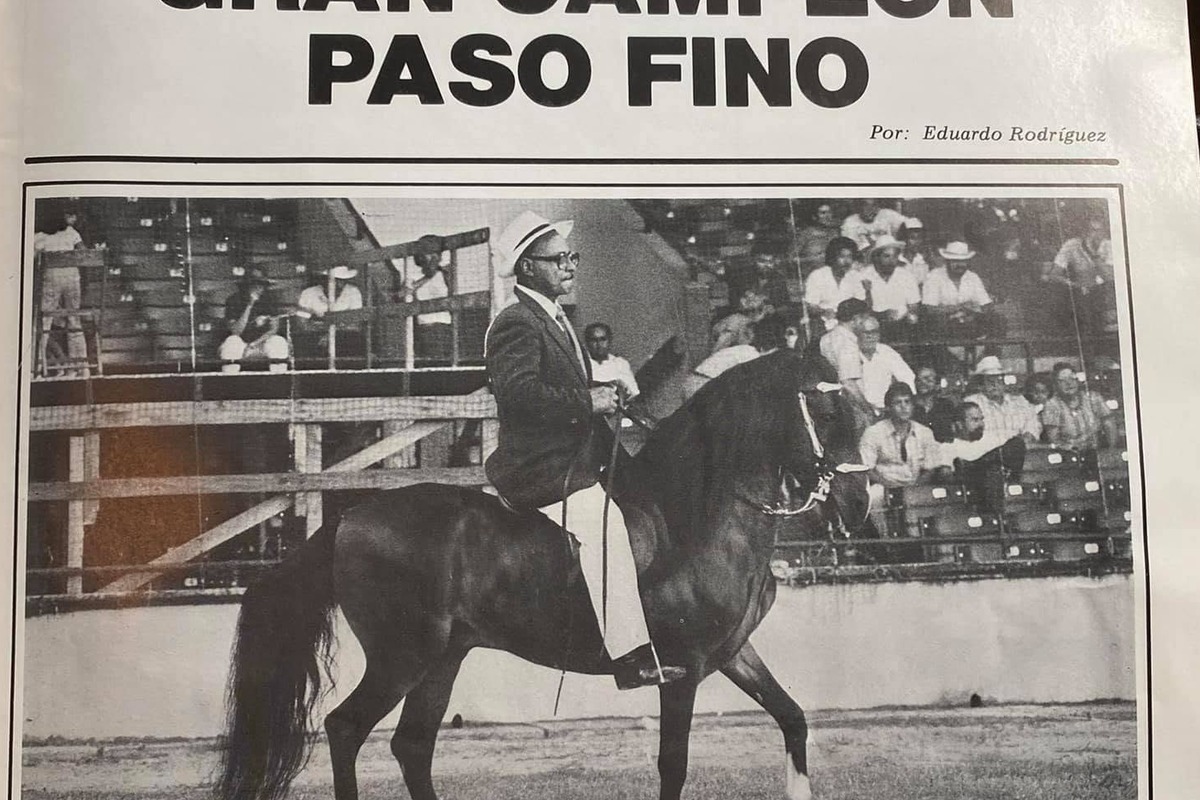
To keep a horse alive in history, we must remember more than its name: the people, places, records and choices that carried it forward.
Conservation Legacy · Heritage feature · 12 minute readOpening image: archival printed show photograph from the Conservation Legacy collection. Horse, rider, publication date and original photographer require further source verification; no identity is assigned here.
A registration paper can name a sire and dam. It may identify the owner, color and date a horse entered a book. But it seldom tells us who raised the foal, what work a mare did, which farm survived a storm, or how a photograph found its way into a family album.
The Pure Puerto Rican Paso Fino belongs to Puerto Rico's cultural landscape. Preserving it means keeping its living horses and its evidence connected. When a story has no date, source or identifiable horse, the gap should remain visible. That honesty is part of caring for the breed.
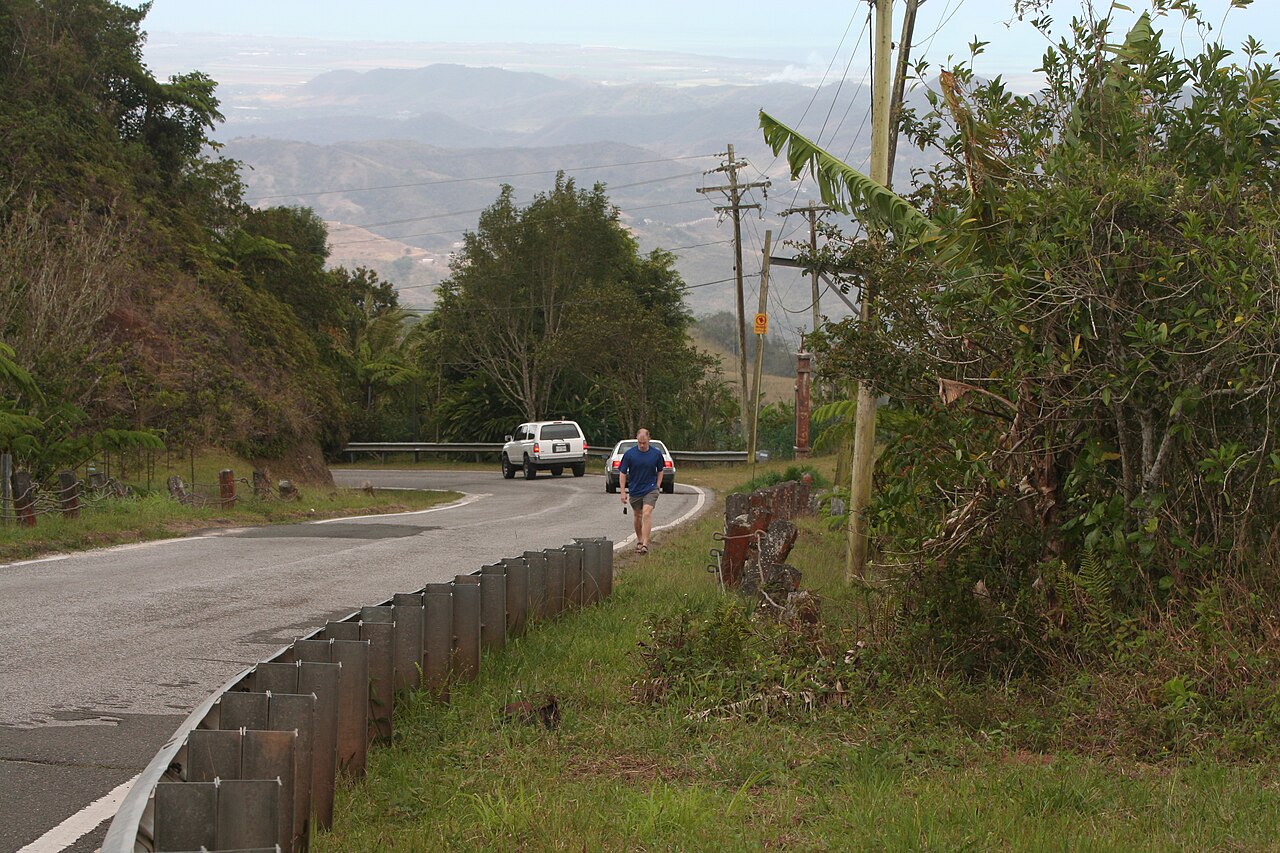
The federation's historical account begins with horses brought from Hispaniola in 1509. It also recounts older descriptions of unusually smooth-moving island horses. Those narratives help explain how Puerto Ricans remember the breed, though centuries-old accounts are different kinds of evidence from a modern registration certificate.
Over generations, local breeding and selection made the island horse distinct. The celebrated natural paso is a lateral, four-beat gait: four separate footfalls create its characteristic rhythm. A horse's gait alone, however, cannot establish its ancestry. The illustrated gait guide shows how a paso differs from a pace and from other gaited breeds.
Modern genetic work gives the story another layer. A 2022 peer-reviewed study examined samples from Puerto Rican horses at 27 island locations and investigated relationships among the island's horses, including the Puerto Rican Criollo and Paso Fino. Genetics can illuminate population history and diversity; it cannot restore a missing name on an individual animal's paper trail.
Each entry names its source type so oral tradition, institutional histories, law and scientific findings remain distinguishable.
The Puerto Rico federation traces the arrival of horses to Juan Ponce de León's movement from Hispaniola. This is its historical account, not a surviving pedigree for today's horses.
Read sourceThe federation cites an observation attributed to André-Pierre Ledrú in 1797 and later writing by Adolfo de Hostos describing the island's distinctive moving horses. These accounts predate a modern registry.
Read sourceDulce Sueño, born in Guayama according to the federation, becomes a defining ancestor in the modern documented breed. The island's horse history began long before him.
Read sourceA formal Puerto Rican breed registry begins through the organization that became today's federation. Registration gives descendants a traceable paper trail.
Read sourceLaw 169 establishes a central registry framework and describes information to record about a horse, its parents, owner, identity and lineage.
Read sourceA study sampling Puerto Rican horses across 27 island locations investigates genetic diversity, selection and connections with Puerto Rican Criollo horses. A population study cannot authenticate one horse's pedigree.
Read sourceLaw 34 declares the Paso Fino defined under Law 169 part of Puerto Rico's national and cultural heritage. Recognition gives preservation a public mandate.
Read sourceThe federation places Dulce Sueño's birth in Guayama in the early 1920s and describes his extraordinary influence on the modern registered breed. Puerto Rico's Law 169 explicitly invokes descent from him in its breed definition. Both statements matter, but neither means that one stallion created the island horse or that every meaningful story belongs to a famous sire.
Mares, lesser-known stallions, breeders, handlers, grooms and families also shaped the record. In a small population, tracing maternal families and verifying whether a horse lived and bred can matter as much as recognizing a champion. The registry, a farm photograph and a breeder's account answer different questions; together they bring a horse into focus.
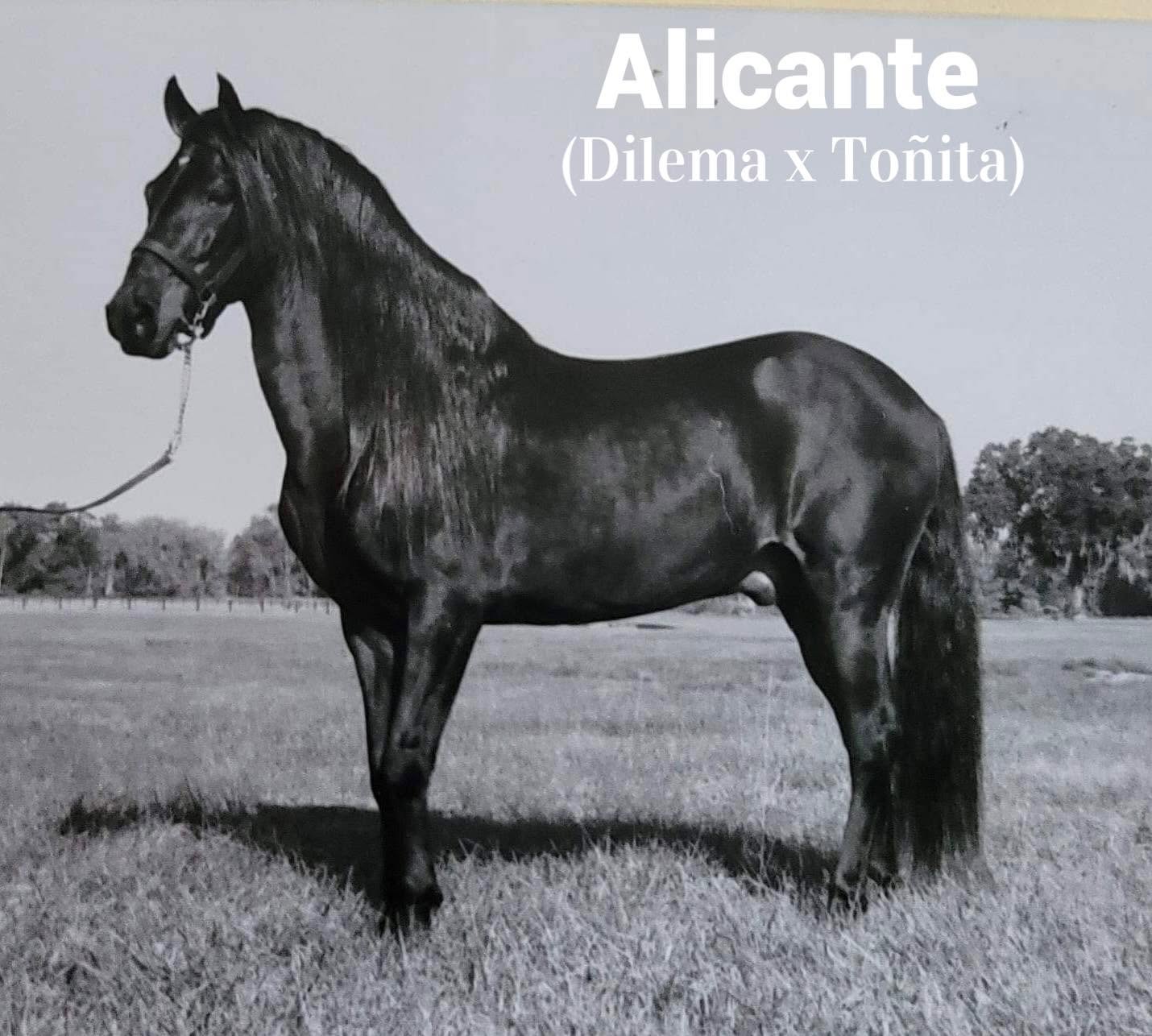
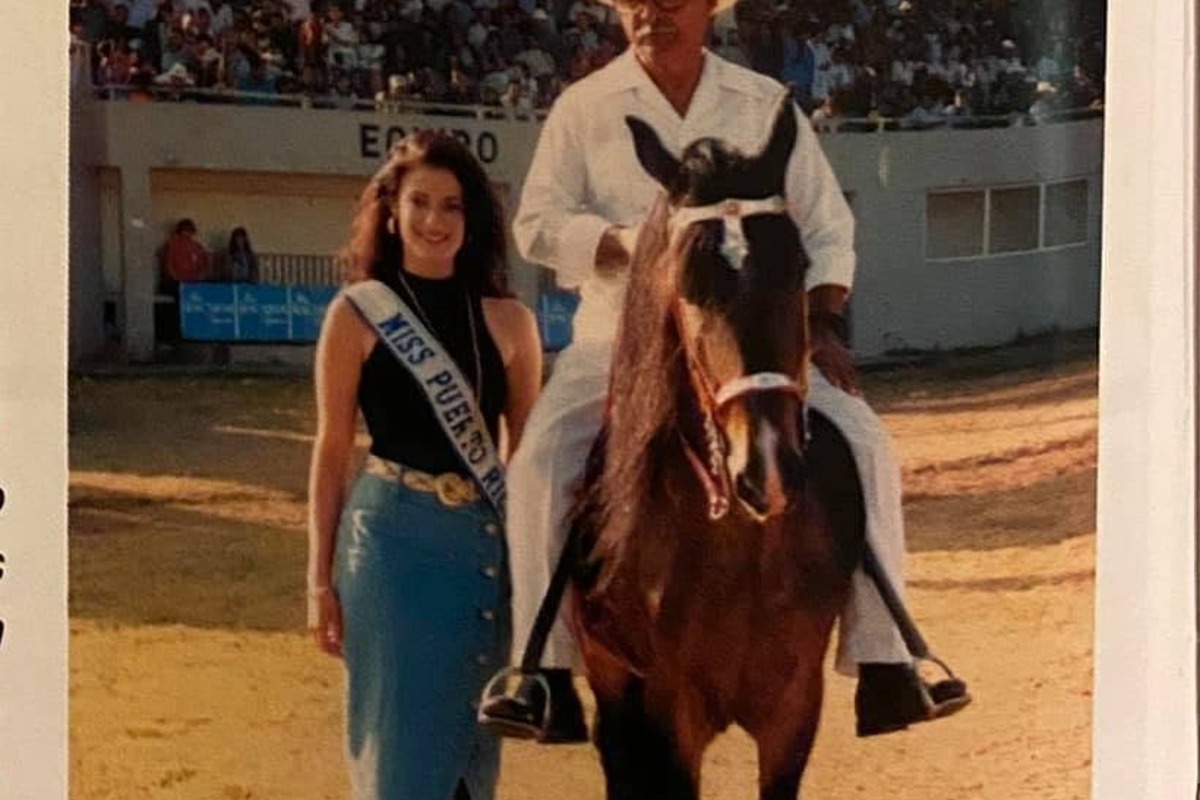
Puerto Rico's compiled Law 169 calls for registry information and also refers to a library, historic archive, film and video collection. That is an unusually powerful idea: a breed's memory can hold more than a list of names.
Recorded name, registry number, dates, markings, parents and the issuing organization. Keep scans linked to their original records.
Breeding farm, municipality, owners and documented moves. Mark what a document proves and what a family recalls.
Breeder, handler, rider, caretaker and oral-history contributor, with consent and their words credited correctly.
Photographs, footage, offspring, living status when verified and the date it was last checked. Preserve uncertainty when evidence is missing.
A photograph without permission or a name without a source should be held for review. A blank field is better than an invented fact.
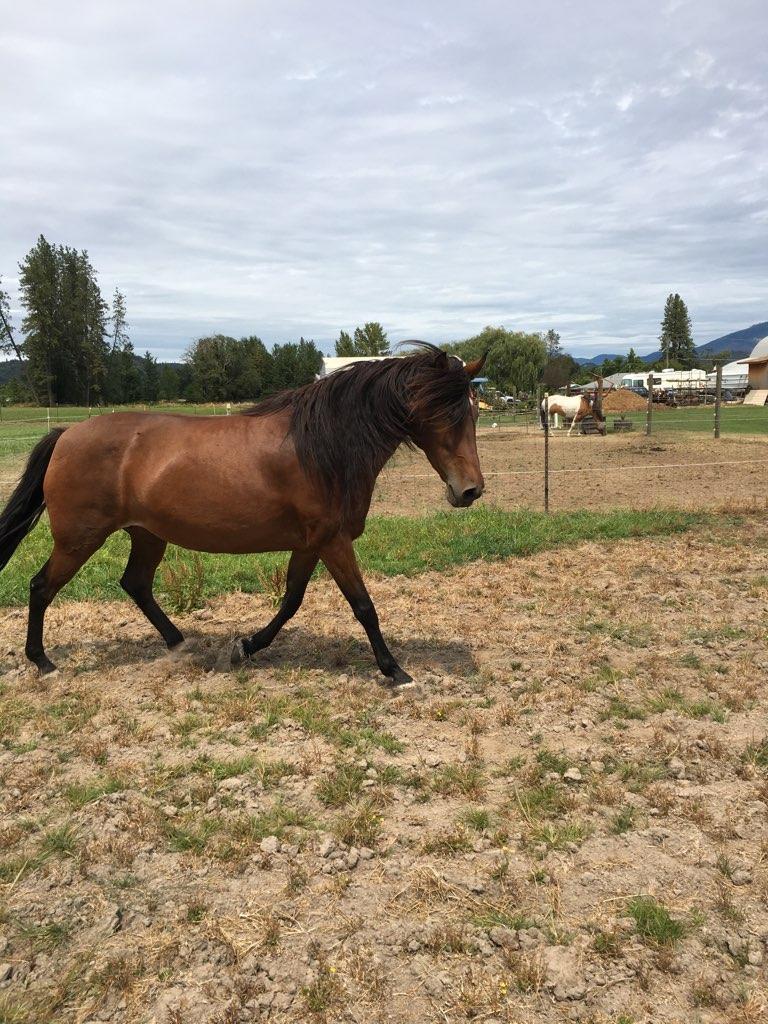
In 2023, Puerto Rico declared the Paso Fino described under Law 169 national and cultural heritage . That recognition belongs beside practical conservation questions: How many distinct horses are in a database? How many are verified alive? Which could still breed? Which family lines remain represented? Those are four different measures.
The Livestock Conservancy describes conservation concern for the Puerto Rican Paso Fino. Published estimates should be read with their date and method; a registry total is not a live population census. The best next step is to connect records with breeders and owners willing to verify horses and share sources, with care for privacy and image rights.
Keep the names. Keep the proof. Keep room for the people whose memories have not yet been recorded.
Tell us what you know about its horse, place, date and source. We can preserve uncertain details as questions while the evidence is checked.
Institutional histories describe how the breed is remembered; laws establish official definitions and duties; scientific studies test particular biological questions. No single source does all three jobs.