
Stewardship of the national herd
Knowledge for understanding and preserving Gloucestershire Old Spots.
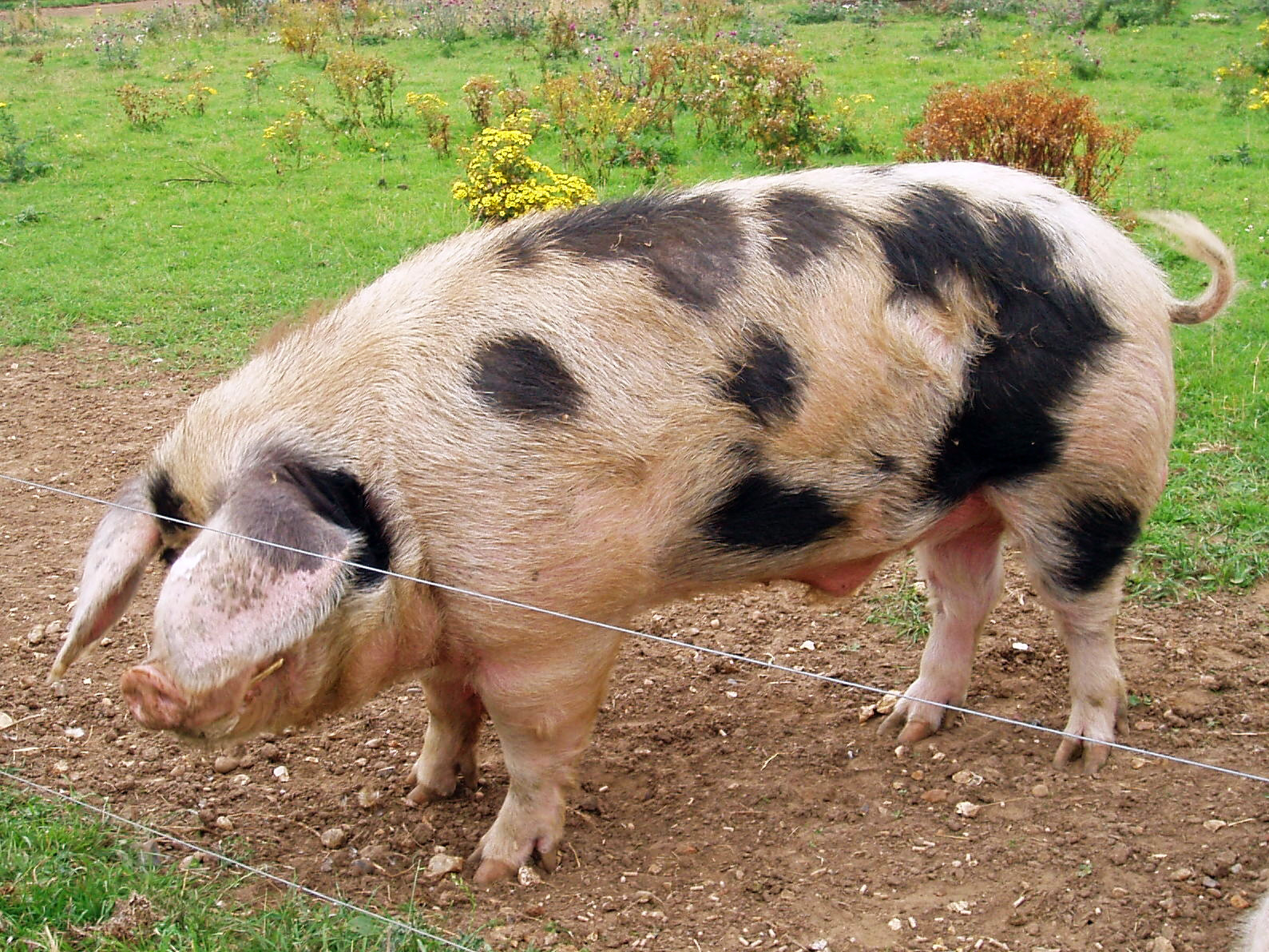
GOSA's ethics statement describes members as stewards of both the national herd and the information that establishes its continuity. It connects welfare, honest representation, and sound breeding choices. Animals with doubtful parentage should not be registered, and animals known to carry inherited defects or undesirable breeding attributes should not be represented as suitable breeding stock.
The significance for a learning library is broader than paperwork. A breed can retain attractive photographs while losing the reliable relationships that explain which animals belong to its population. Equally, preserved pedigrees mean little if the living animals are poorly cared for. The association treats these responsibilities as connected.
The statement also encourages reasonable support for new owners and a collaborative educational role. That makes conservation a transfer of practical knowledge as well as animals. These principles can inform the public account of the breed now, without requiring this app to collect individual records before its educational foundation is built.
Sources behind this article
This is original Conservation Legacy teaching informed by the sources below. Follow the official material for the full account and its context.