
A genetic plan does not replace functional assessment
Kinship information helps explain a Cleveland Bay's place in the breeding population, but it does not establish the horse's present capacity for work.
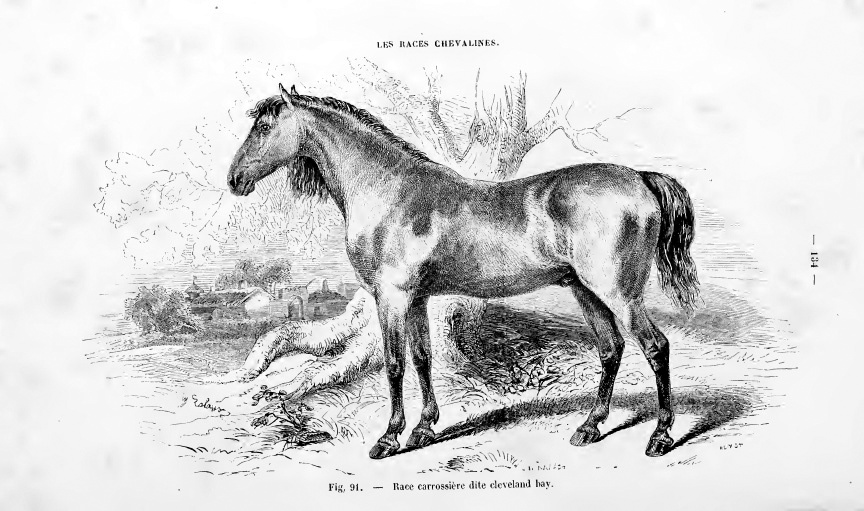
Kinship information helps explain a Cleveland Bay's place in the breeding population, but it does not establish the horse's present capacity for work. Begin a practical assessment with the individual: its movement, experience, existing care and the job proposed. Population significance and working suitability answer different questions.
University of Minnesota Extension emphasizes regular hoof care and cooperation between farrier and veterinarian. That general principle belongs alongside a genetic-management story, rather than being overlooked because the pedigree is unusually important.
Ask how the horse is handled for routine care and what is known about its feet and movement in the conditions where it will work. A posed breed-standard image cannot supply those details, and a lower-kinship mating recommendation is not a veterinary certificate.
Preservation becomes more durable when both scales are respected. The population needs accurate records and coordinated choices; the horse needs appropriate care and realistic expectations. An animal's role may change through life, so an owner should understand how to maintain support outside its original job. The breed's genetic recovery is meaningful because it concerns living horses, not only improved numbers in a pedigree analysis.
Sources behind this article
This is original Conservation Legacy teaching informed by the sources below. Follow the official material for the full account and its context.