
Caspian
Ecology & human landscapes
One living story. Knowledge kept together.
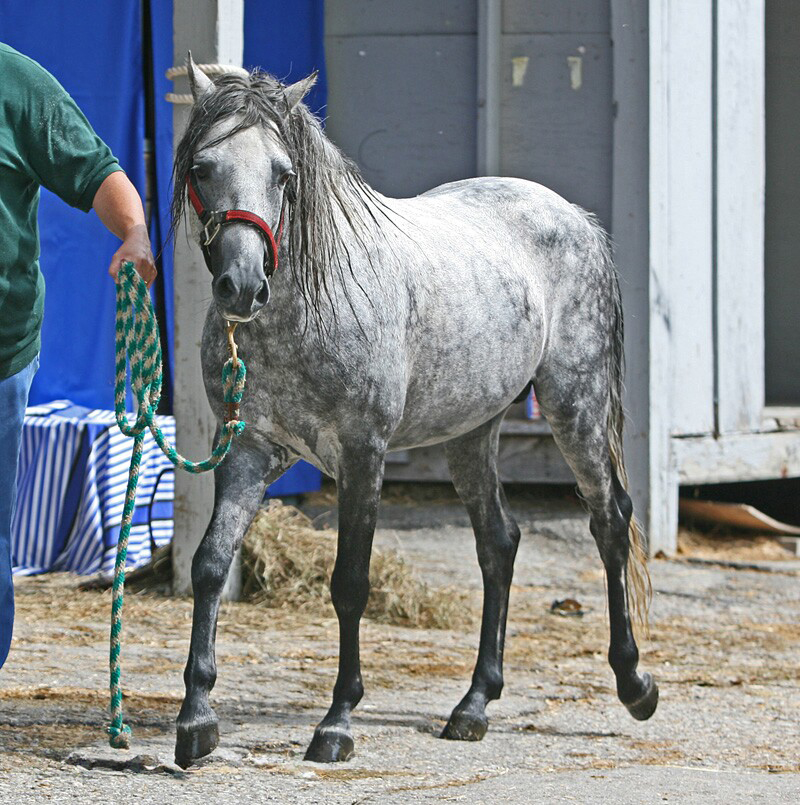
Caspian stallion, photographed in 2008. · Heather Moreton / Heather Abounader · CC BY 2.0 · License terms
Animal, landscape
and the people between them.
As grazers, horses affect plant structure and the land they occupy. The result depends on numbers, grazing duration, soil, rainfall and other animals using the same area. A conservation-minded horse page should connect animal preservation with forage recovery and protection of vulnerable ground.
Learning a breed includes understanding the human landscape that kept it useful. Changes in transport and agriculture can erase demand before a breed's biological value disappears. Preserving skills, cultural memory and distinct breeding families helps explain why keeping horses alive and keeping a breed's identity alive are related tasks.
This population’s place in that story.
The modern Caspian conservation story begins with Narcy and Louise Firouz in Iran. Searching for small suitable mounts for children, they investigated reports of distinctive horses near the Caspian Sea and located animals in 1965. They established a breeding center and later exported foundation horses to Europe. Those overseas populations became important to the breed's survival.
A breed’s historical setting helps explain its development. Present-day housing, feeding and land management still need to suit the individual animals and the actual site.
Sources for general species learning
Sources behind the breed’s story.
The original history, identity and conservation teaching above draws on these cited accounts. Official links open the full material for further study.
Keep learning from official information.
These research portals help locate further material. A search link is a route for exploration; it is separate from the sources used for the article above. Domestic breed information, wild-species assessment, historical books and new research need their own context.
- FAO DAD-IS · Domestic breed information
- IUCN Red List · Species assessments
- Biodiversity Heritage Library · Historical literature search
- USDA National Agricultural Library · Research search
- Google Scholar · Scholarly literature search
- Open Library · Book catalogue search
- HathiTrust · Digitized catalogue search