
Pilgrim
History & heritage
One living story. Knowledge kept together.
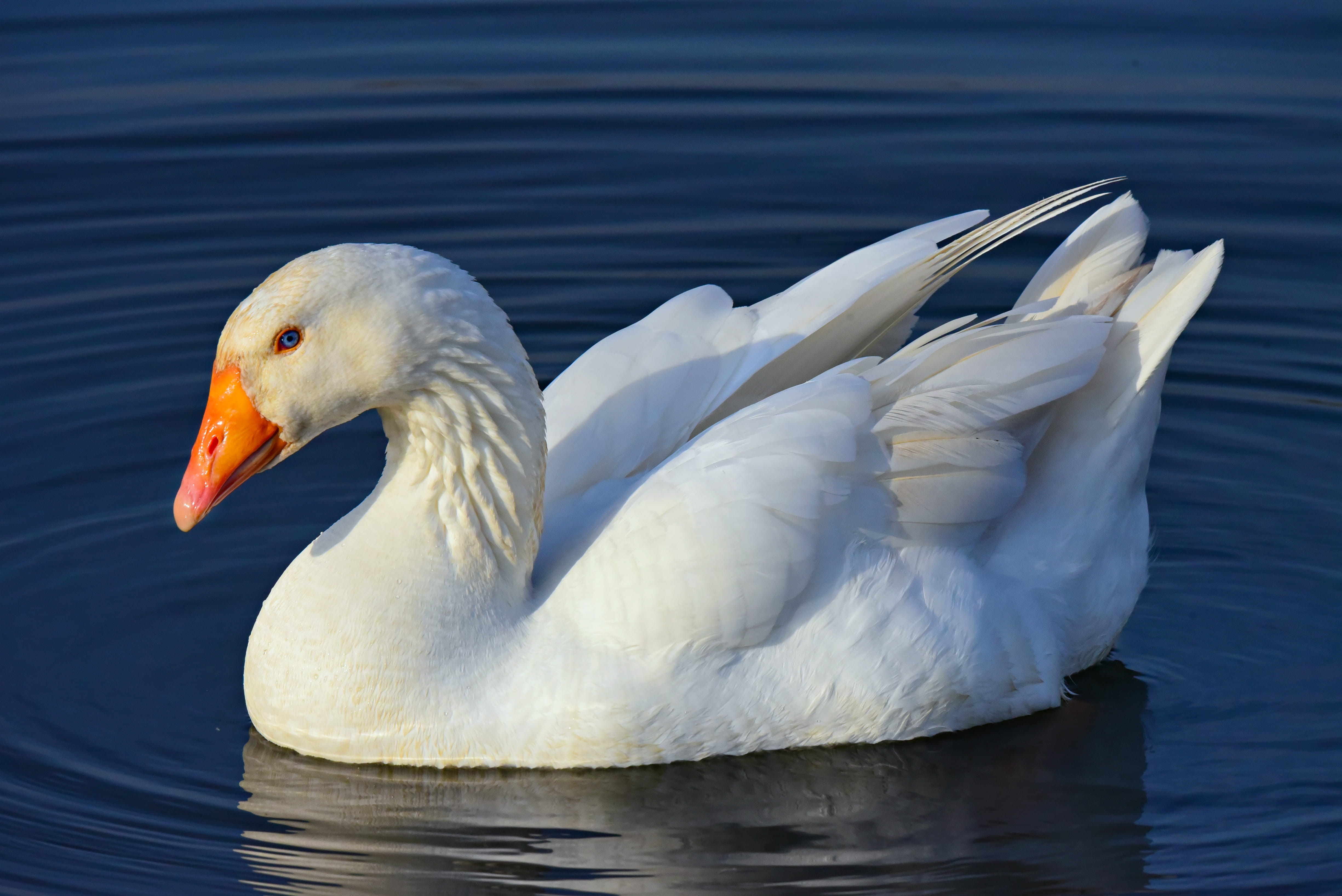
Male Pilgrim goose photographed on water in 2019. · Pxfuel · CC BY-SA 4.0 · License terms
Follow the story behind the name.
The Pilgrim's name invites an appealing colonial story, but the modern breed's origin is less straightforward. Historical sources describe auto-sexing geese in America and Europe without consistently using this name. The Conservancy distinguishes those older birds from the relatively recent named breed. A familiar name should not substitute for documentary evidence.
Both young and adult Pilgrims can be sexed by their color. This inherited difference makes the breed useful for teaching how appearance and sex can be linked. The goose also carries a practical meat-producing farm identity rather than serving solely as an ornamental bird.
Understanding the heritage in context
The Pilgrim name is a useful invitation to examine evidence rather than repeat an attractive migration story. Earlier auto-sexing geese and the later named breed are not automatically the same historical unit. Sources should state when they describe a recognizable color system and when they describe a defined breed.
Sources for general species learning
Sources behind the breed’s story.
The original history, identity and conservation teaching above draws on these cited accounts. Official links open the full material for further study.
Keep learning from official information.
These research portals help locate further material. A search link is a route for exploration; it is separate from the sources used for the article above. Domestic breed information, wild-species assessment, historical books and new research need their own context.
- FAO DAD-IS · Domestic breed information
- IUCN Red List · Species assessments
- Biodiversity Heritage Library · Historical literature search
- USDA National Agricultural Library · Research search
- Google Scholar · Scholarly literature search
- Open Library · Book catalogue search
- HathiTrust · Digitized catalogue search