
Malay
History & heritage
One living story. Knowledge kept together.
Follow the story behind the name.
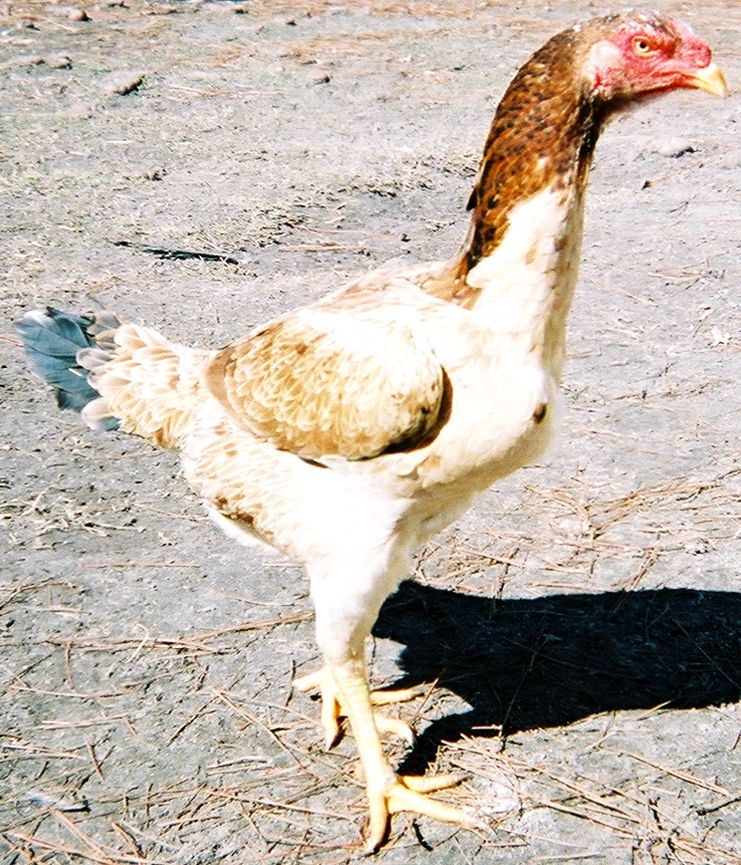
The Malay is an old chicken type distinguished by exceptional height and upright carriage. Its long neck and legs contribute to a silhouette very different from the rounded shape of many farm poultry breeds.
Malays were imported to England around 1830, appeared in continental Europe soon afterward and reached America in the 1840s. American recognition began with Black-Breasted Red in 1883; further colors followed in 1981.
Long legs, a long neck and erect posture can bring their height to roughly 26–30 inches. Heavy bone, a broad skull and a stout beak contribute to their distinctive outline. Their lean form and strong carriage differ markedly from conventional rounded farm chickens.
Malay establishment in British organized poultry
The Poultry Club places Malay arrival in Britain by about 1830 and describes development in Cornwall and Devon. It records participation in the early organized-show era and Black-Red and White descriptions in the 1865 British standard. These dated milestones provide a firmer teaching timeline than broad claims of unchanged prehistoric ancestry.
Sources for general species learning
Sources behind the breed’s story.
The original history, identity and conservation teaching above draws on these cited accounts. Official links open the full material for further study.
Keep learning from official information.
These research portals help locate further material. A search link is a route for exploration; it is separate from the sources used for the article above. Domestic breed information, wild-species assessment, historical books and new research need their own context.
- FAO DAD-IS · Domestic breed information
- IUCN Red List · Species assessments
- Biodiversity Heritage Library · Historical literature search
- USDA National Agricultural Library · Research search
- Google Scholar · Scholarly literature search
- Open Library · Book catalogue search
- HathiTrust · Digitized catalogue search