Heritage chicken conservation brings together breed identity, useful production traits and the people maintaining breeding flocks. Plumage attracts attention, but the deeper questions concern ancestry, reproductive continuity and the ability to keep a population recognizable over generations. A hatchery label, an exhibition bird and a documented breeding flock may offer different kinds of evidence. Start with the breed’s history and standard, then ask how its families are being maintained.
Barred Hollands combine patterned feathers, yellow skin and legs, a single red comb, and white eggs. The Conservancy describes calm, interactive birds that forage well and may become broody. Growth is slower than modern meat hybrids, making pasture usefulness an important part of their farm identity.
Javas have notably long backs, rectangular bodies and single combs. Black birds show a green sheen; Mottled birds mix black and white feathering. White and Auburn populations also exist, although American standard recognition is limited to Black and Mottled. Hens can brood and mother chicks, and the breed remains useful for both brown eggs and meat.
Five toes, a deep rectangular body and white skin are important identification features. Different color populations have their own histories. Their dual-purpose usefulness includes white eggs and table poultry, but their reputation arose in a food system quite different from present industrial broiler production.
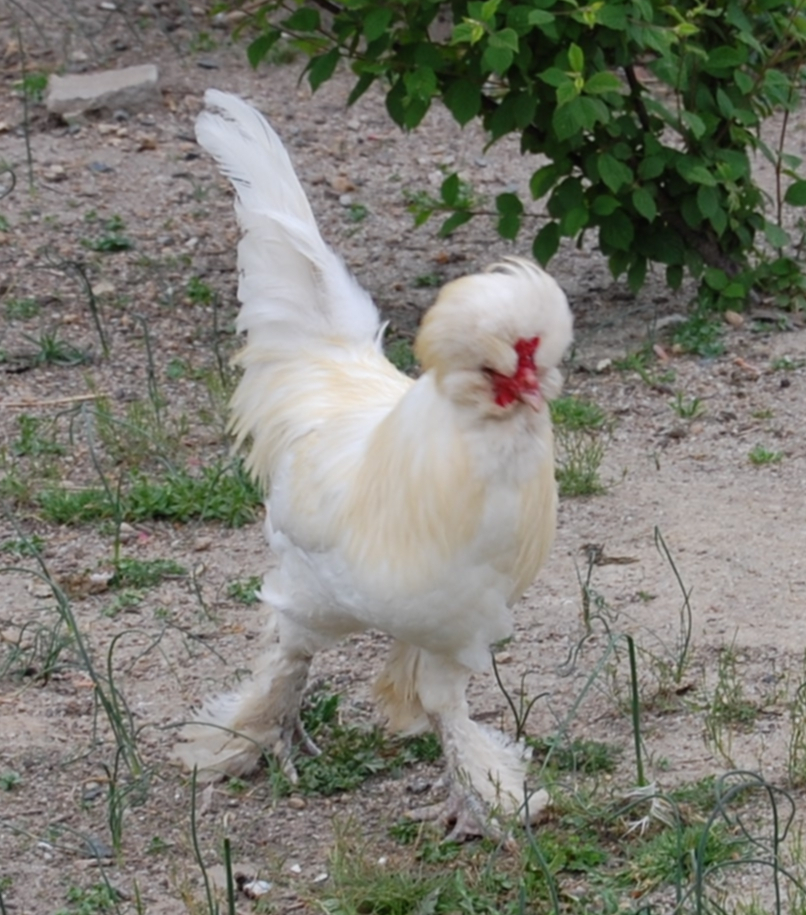
Unlike the d'Uccle, the Booted Bantam lacks a beard. Its foot feathers, projecting vulture-hock feathering, short back and elevated tail create an unmistakable silhouette. Mature males are about 26 ounces and females about 22 ounces. Different poultry associations recognize different sets of colors.
Campines are small active white-egg birds with close feathering, dark legs, white earlobes and a large single comb. Males are hen-feathered. Silver and Golden patterns should be assessed within breed standards rather than confused with similar Belgian populations.
The Buckeye is a muscular, active farm chicken with a pea comb and yellow skin. The Conservancy emphasizes strong ranging behavior, gentle interaction and protective mothers. Its compact comb is useful in cold weather. Utility selection and a characteristic red-brown feather color together distinguish the population.
Jersey Giants have a large, broad frame, clean legs and a single comb. Black birds show green sheen and yellow foot soles. The Conservancy reports mature males around 13–15 pounds and females around 10–11 pounds, distinct from lower market-weight figures. Their size is paired with a generally calm disposition.
Salmon is the best-known Faverolles color, with markedly different male and female patterns. White is also recognized in America. The breed's feathering and gentle reputation accompany a dual-purpose role with tinted to light-brown eggs.
White and Partridge Chanteclers carry a small cushion comb, limited wattles and yellow legs. These features complement a cold-country dual-purpose role. The Conservancy describes winter egg production and useful flesh development; some hens also brood. The two colors represent separate historical breeding programs, not merely an arbitrary paint change.
Araucanas combine blue eggs, rumplessness and ear tufts. The Conservancy describes generally calm, curious birds and mature weights around five pounds for males and four for females. A blue egg by itself cannot identify an Araucana, because many other chickens and hybrids also produce blue shells.
Non-industrial Leghorns retain the identity of the established breed rather than that of a proprietary commercial layer hybrid. Their small bodies, energetic carriage and white eggs reflect the original Mediterranean laying role. Several colors and comb forms belong to their standardized history.
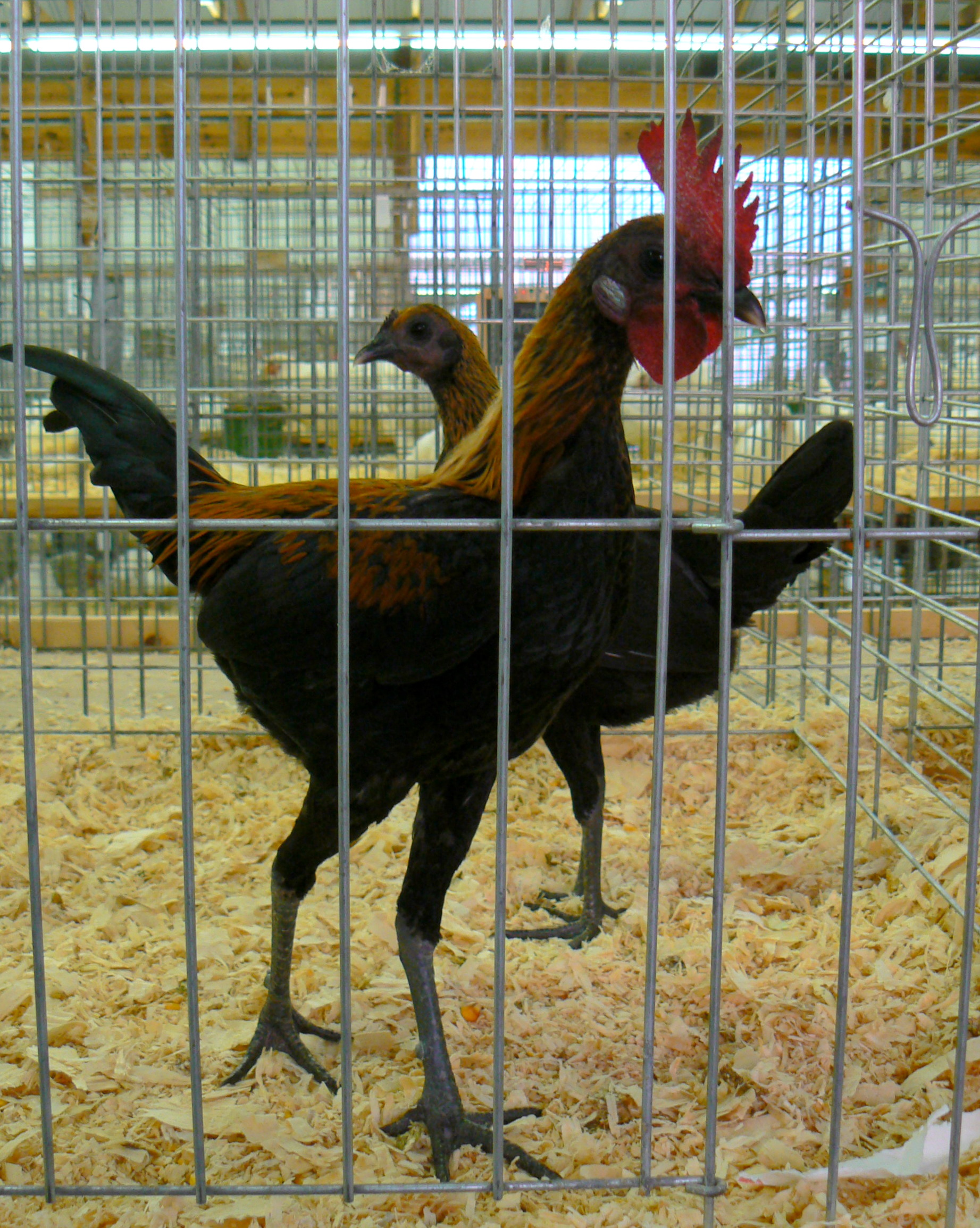
A compact muscular body, broad shoulders, strong curved beak and hard feathers reflect earlier breeding objectives. Many colors occur. Today's interest lies in history, appearance and responsible husbandry rather than continuation of fighting.
Minorcas are substantial Mediterranean egg birds with full tails, large combs and conspicuous pale earlobes. Their white eggs are particularly large. Black, White and Buff populations and single- or rose-combed forms have different recognition histories.
The large rose comb, with a rear-pointing leader, gives the breed its name. Red-and-black feathering carries dark spangles, while slate-colored legs and white skin complete its identity. White egg shells occur despite red earlobes, showing that simple earlobe rules have exceptions.
Their relatively small bodies, lively ranging behavior and elaborate feather patterns connect utility with ornament. Recognized colors include penciled and spangled gold or silver, Black and White. Historical names such as Pheasant Fowl describe appearance, not a biological chicken–pheasant hybrid.
The breed's tall legs, upright stance and close, hard feathering create a highly stylized silhouette. Its purpose is chiefly exhibition and ornament, rather than abundant egg production or a fast-growing table carcass. It therefore requires evaluation against its own historical selection goals.
The traditional Croad form combines long legs, some leg feathering and a distinctive rising body outline. Dark brown eggs and calm behavior form part of its farm reputation. Its Chinese name refers to Wolf Hill, linking the breed to a specific landscape near Nantong.
Aseels have compact muscular bodies, short hard feathers, strong beaks and upright carriage. They mature slowly and can be heavier than their appearance suggests. Historically developed as gamefowl, they belong in today's teaching through breed history and responsible husbandry.
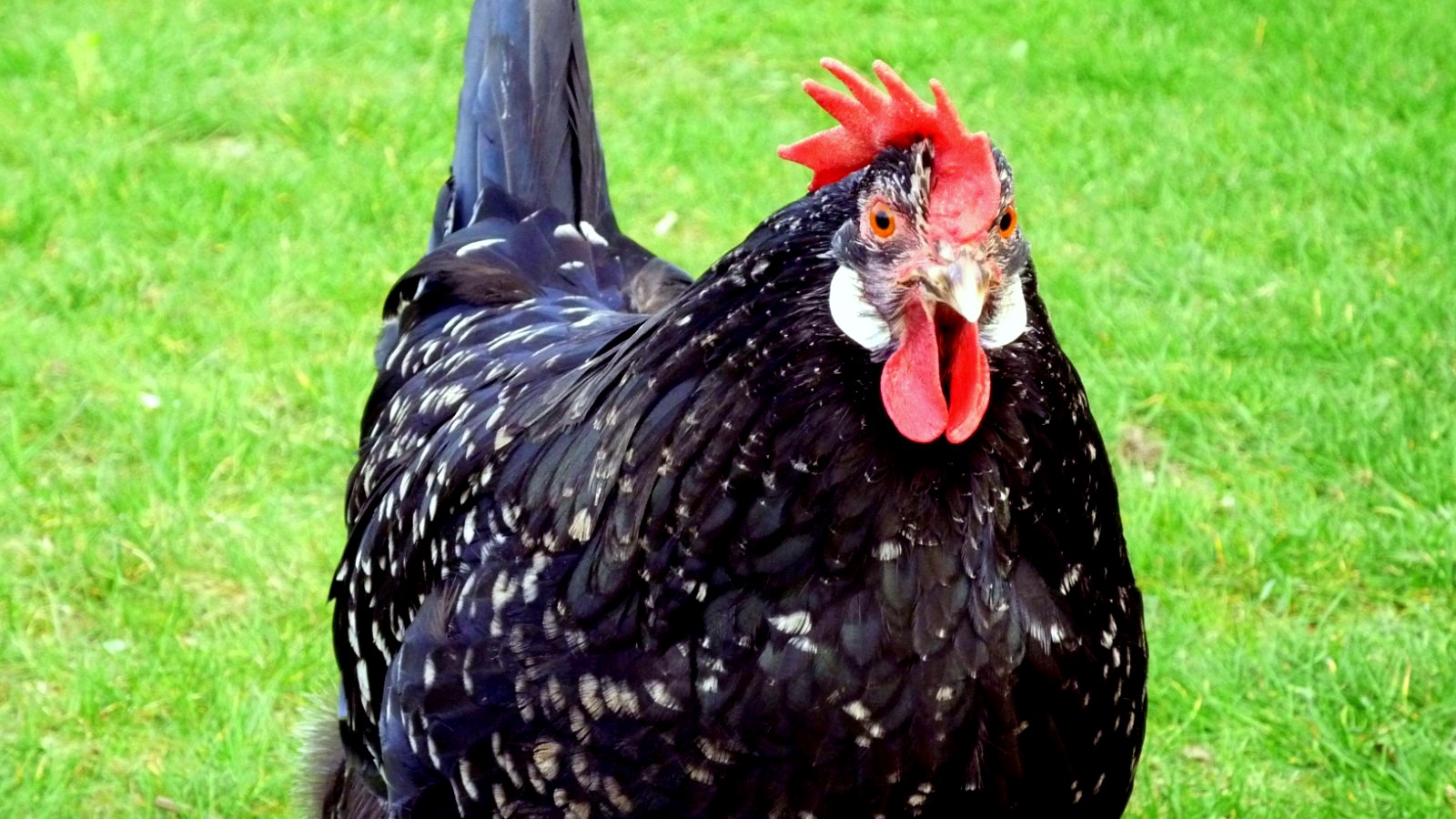
Black feathers tipped with white mottling, a relatively small body and lively movement identify Anconas. They belong to the Mediterranean white-egg tradition. Their active ranging behavior and laying emphasis explain their suitability for farms seeking a bird that explores rather than stays quietly in place.
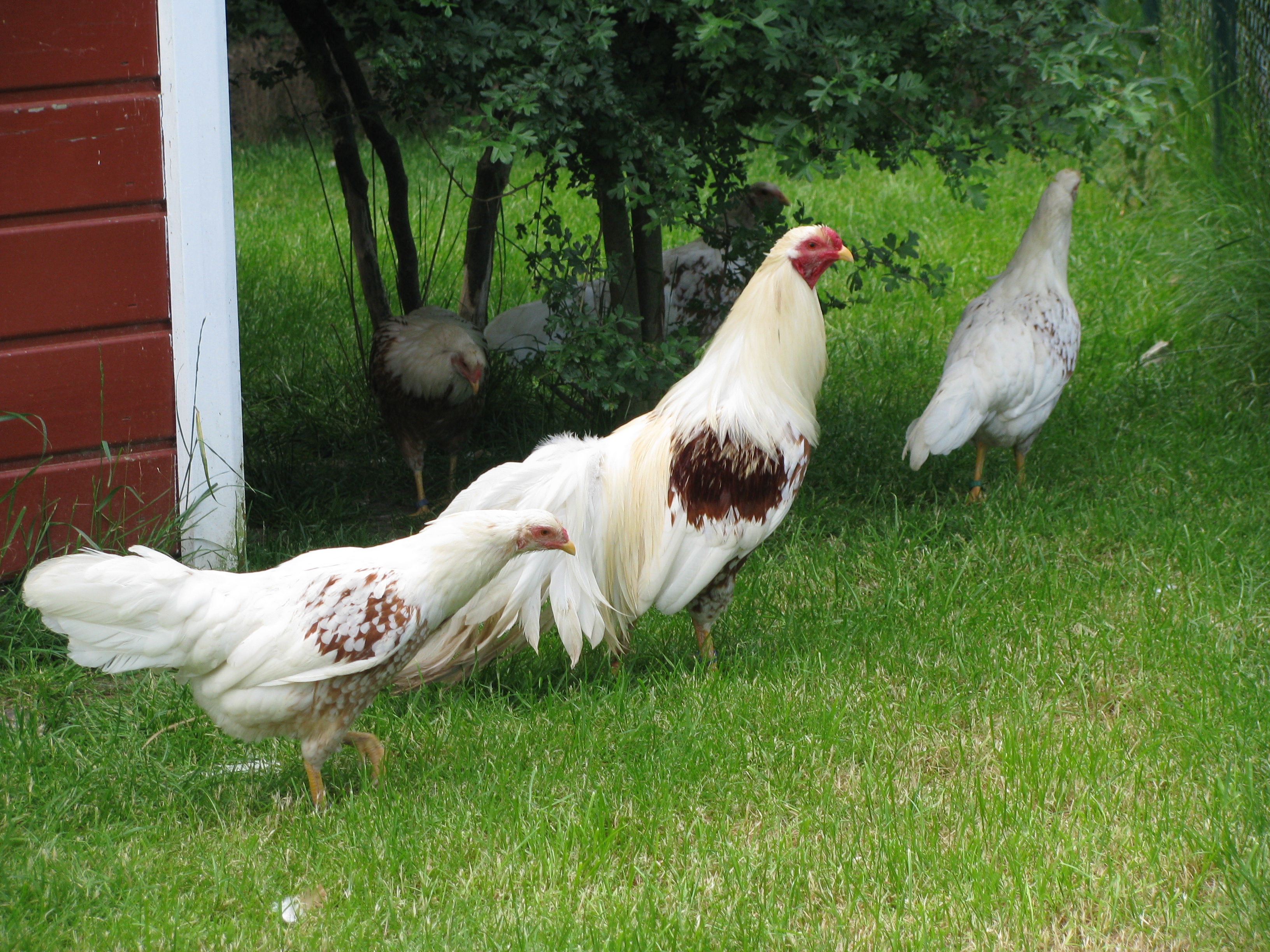
Shamo types vary in size and regional preference. Their upright, muscular bodies and tightly held feathers reflect historical selection goals. Large O-Shamo and medium Chu-Shamo should not be collapsed into a single standard weight. Human friendliness and bird-to-bird behavior are separate traits.
A forward-pointing crest, V-shaped red comb and blue legs distinguish Spitzhaubens. Their crest differs from the rounded crest of Polish chickens. They are active, relatively small white-egg layers; hens may brood and mother chicks.
A beard separates the d'Uccle from the related Booted Bantam. Its small body, elaborate foot feathers and alert carriage make it a true ornamental bantam. Cream-colored eggs are small, and broodiness can make hens useful for hatching as well as exhibition.
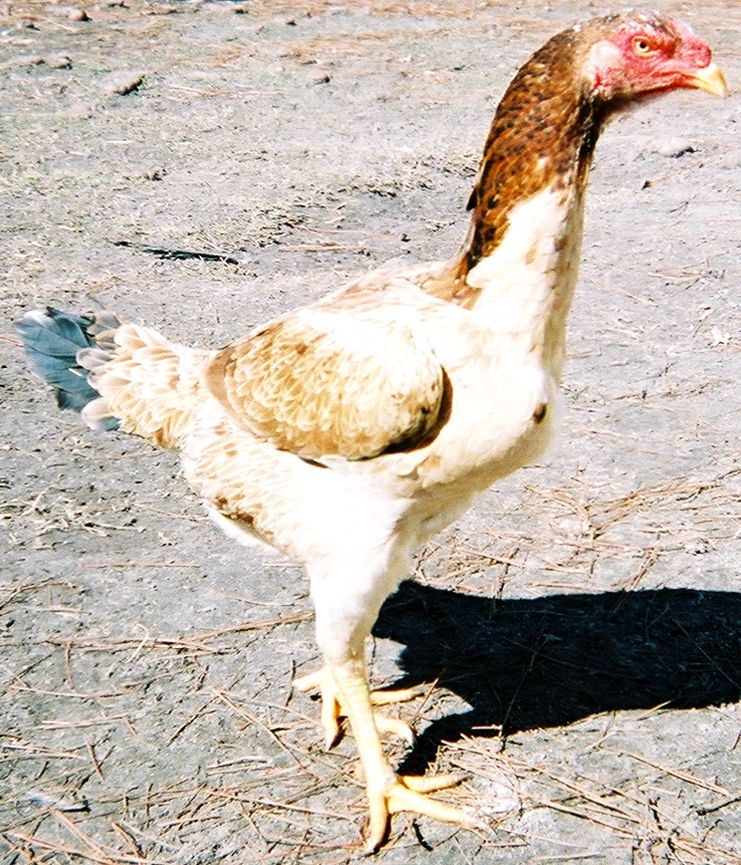
Long legs, a long neck and erect posture can bring their height to roughly 26–30 inches. Heavy bone, a broad skull and a stout beak contribute to their distinctive outline. Their lean form and strong carriage differ markedly from conventional rounded farm chickens.
Gold and Silver Sebrights carry crisp dark lacing around short feathers. They are true bantams with no matching large-fowl form. Their small bodies and ornamental pattern distinguish them from similarly laced large breeds; preserving the outline of each feather is a major exhibition challenge.
Unlike a uniform exhibition breed, Icelandics were selected across small farms for survival, foraging and maternal usefulness. Plumage and appearance can vary within the landrace. Such variation is part of its identity and should not automatically be interpreted as defective breeding.
Blue-gray feathers carry darker edging, forming the breed's characteristic lacing. These are active Mediterranean layers of white eggs. The slate color is a breeding trait rather than a guarantee that every chick will share the desired exhibition shade.
Chabo have very short legs, a prominent comb and a large tail carried upright, creating proportions unlike most chickens. Different color populations have distinct appearance standards. Their small cream eggs and ornamental role place them outside ordinary production-layer comparisons.
Tall bodies, a beard and muff, and thick feathering define the breed's recognizable cold-country appearance. Its historic table-poultry role accompanies relatively modest egg production. Calm behavior does not necessarily mean a bird will be particularly tame.
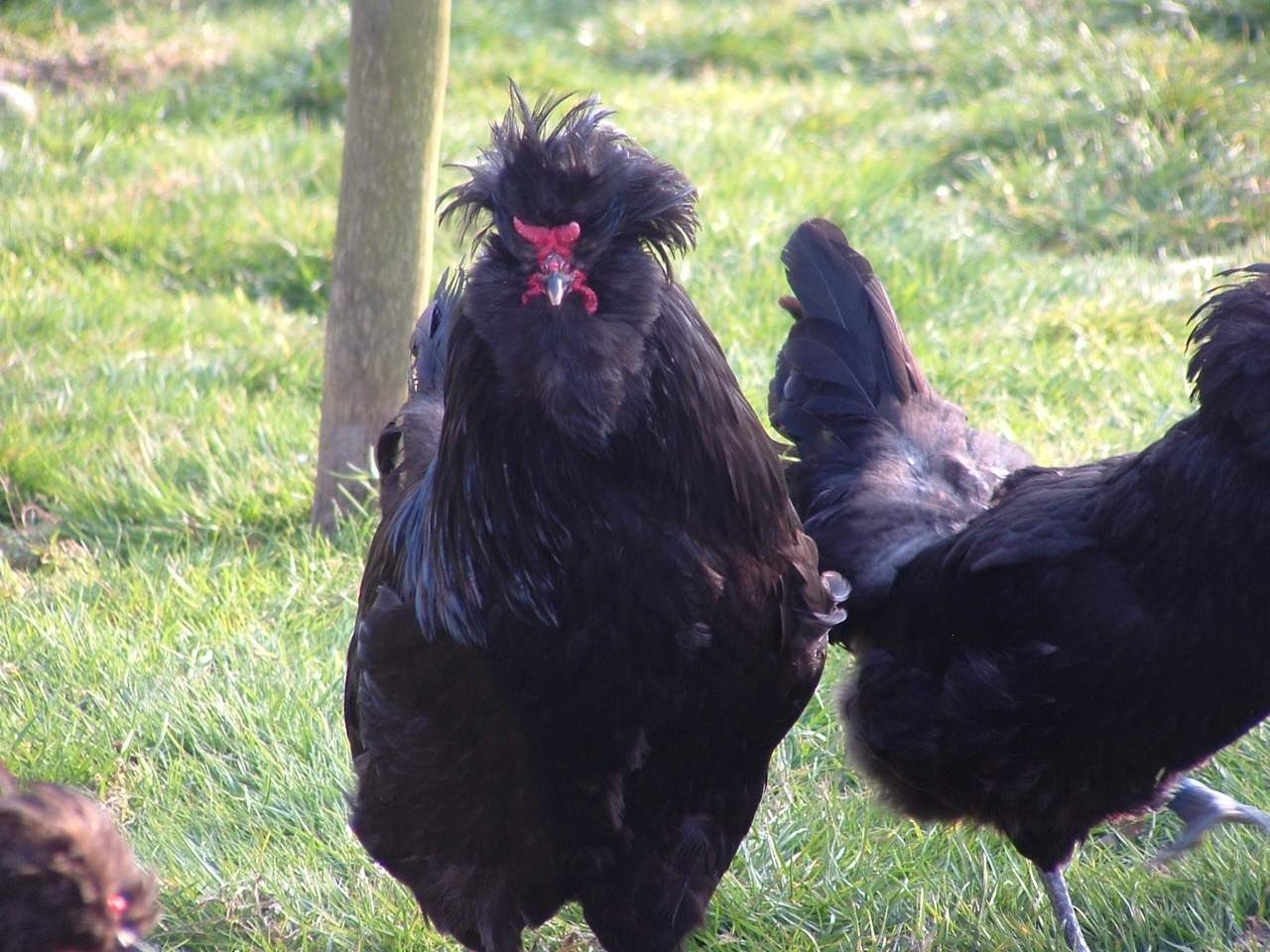
The large crest sits over a bony prominence on the skull. Hens often show rounded crests and roosters a more spreading feather arrangement. Bearded and non-bearded varieties have separate recognition histories. White eggs remain part of the breed's utility, despite its strong ornamental reputation.
White plumage with barred hackles, wings and tail creates a pattern that differs from solid-black Columbian markings. A broad, deep body and rapid feathering supported table production. The breed also lays brown eggs, giving today's small farms a use beyond its former broiler-industry role.
The breed has entirely white plumage, a horizontally carried, substantial body, yellow legs and a rose comb. Brown eggs contrast with white feathers, illustrating why shell color cannot be predicted from body color. Winter laying and a dual-purpose build explain its earlier usefulness.
A dark body, crest and distinctive head furnishing link its appearance to other historic French crested poultry while retaining its own type. Its dual-purpose history includes white eggs and premium table production. The original geographic name belongs to Normandy, rather than describing a modern performance trait.
A cup-shaped comb and green legs link modern Buttercups with Sicilian farm chickens. Golden female plumage contributes to the breed's name. These are active white-egg layers, whose distinctive comb is more diagnostic than any promise of extraordinary laying performance.
Long tail, saddle and sickle feathers create its dramatic outline. Red-Shouldered birds contrast red markings with a white background; White birds form another established color. Small tinted eggs are secondary to its ornamental purpose.
Flowing tails, curved outlines and a strong green sheen on black feathers distinguish Sumatras. Their behavior includes exploring bushes and sheltered areas. Their small eggs and ornamental reputation mean they are not simply substitutes for high-output laying strains.
Sultans combine a conspicuous crest, beard, feathered legs and a richly ornamental white appearance. Historical observers described unusually tame birds and relatively limited damage to grassy runs. Small white eggs are secondary to their established ornamental role.
Sussex are dual-purpose chickens associated with several established color patterns, including Speckled. Their brown to tan eggs, substantial farm build and calm, curious reputation explain their continued appeal. Their table-bird story belongs to a particular English agricultural region.
Lakenvelders are active, relatively small egg birds with contrasting dark and light plumage. White to tinted eggs reflect their utility role. Their recognizable color arrangement belongs with a particular breed type, rather than proving the purity of any similarly patterned chicken.
The crest and fifth toe make Houdans stand out among farm poultry. Mottled feathering combines dark and light markings. The breed was valued for meat as well as white eggs, illustrating how a conspicuous crest can belong to a historically productive population rather than a purely ornamental bird.
Glossy black feathers contrast with a large white facial surface. Tight feathering, flowing tails and an upright carriage contribute to a recognizable Mediterranean appearance. The Conservancy describes active birds valued historically for large white eggs rather than for a heavy dual-purpose carcass.
Black plumage, a split V-shaped comb, white earlobes and dark slate legs characterize La Flèche. Tight feathers can conceal its substantial weight. Hens lay white eggs and are generally poor brooders, so breeding plans should not assume they will incubate their own clutches.
A compact, muscular body and close feathers characterize the heritage Cornish. Its shape leaves less room for prolific laying than many egg breeds. The actual heritage population should be distinguished from Cornish-cross commercial chicks, whose growth and breeding identity arise from a hybrid production system.
Chestnut-red feathers, a deep triangular body and rapid feathering distinguish the breed from its Rhode Island Red foundation. Hens produce brown eggs; some strains brood readily. Line selection matters: birds developed principally for growth may not perform or look like a balanced dual-purpose exhibition flock.
Rich buff plumage and a black tail, large red combs, pale earlobes and slate-colored legs distinguish Catalanas. Their Mediterranean history combines egg and meat production with heat tolerance. Spain also recognizes a white population, illustrating regional differences in standards.
Phoenix chickens belong to the long-tail exhibition tradition but should not be equated automatically with Japanese Onagadori. Their tail performance reflects inherited traits and husbandry together. White to tinted eggs accompany a primarily ornamental and feather-production identity.
Rich chestnut feathers, darker tails and small true-bantam bodies characterize Nankins. Their reputation for calm behavior and broodiness is central to their utility. The hens' maternal role explains why a tiny ornamental population can have agricultural value beyond egg or meat totals.
Their barred feather pattern can resemble a Plymouth Rock, but the rose comb is a central distinction. Dominiques are relatively moderate-sized dual-purpose birds with brown eggs and a reputation for manageable temperament. Farm utility helped them persist during the Depression even as other breeds became fashionable.
Cochins are broad, heavily feathered birds with feathered legs and a calm, often approachable disposition. Many colors exist. Their ornamental appeal should be understood alongside an earlier table-poultry history; a present-day show Cochin is not necessarily optimized for commercial meat output.
A descending, richly feathered lobster-shaped tail and pea comb distinguish Cubalayas. Recognized American colors include black, white and black-breasted red. They are active grass foragers, suited to warm and humid settings, and often approachable with people. Physical maturation can continue well beyond the age at first reproduction.
Critical, Threatened, Watch and Recovering are this organization’s domestic-breed categories. Their definitions vary between livestock, rabbits and poultry. A category threshold is not a census of this breed, and a registry’s annual registrations are not a count of every living animal.
Compare future population figures by assessment year, geography and the animals counted. Keep a wild relative’s IUCN assessment separate from a domestic breed’s status.
Scientific field notes
Where these animals belong.
Domestic chickens are associated with Gallus gallus. The scientific species name and the many domestic breed names operate at different levels; a chicken breed is not a separate species.
Ranks follow the linked reference’s treatment. Domestic names and wild relatives may be handled differently by other authorities.
Kingdom
Animalia
Phylum
Chordata
Class
Aves
Order
Galliformes
Family
Phasianidae
Genus
Gallus
Species / domestic context
Gallus gallus (domestic chicken)
Explore beyond appearance
Four questions for a living legacy.
01
Breed standards and production history
What does the source actually establish, and which claims still need evidence?
02
Breeding flocks rather than total hatchery sales
How did people, place and practical use shape the population we see today?
03
Eggs, growth and maternal traits
Which living breeding families can carry the population into another generation?
04
Housing, flock health and predator protection
What would responsible stewardship require in time, facilities and ongoing support?
Knowledge belongs with its animal world.
Explore general chickens knowledge in the species library. Each population has its own collection for breed-specific history, identity and conservation reports.