
Belgian Hare
History & heritage
One living story. Knowledge kept together.
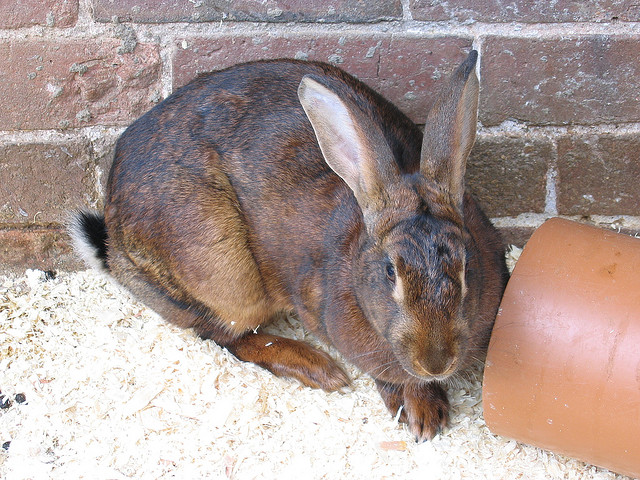
Belgian Hare — identified breed photograph. · Quimby · CC BY-SA 2.5 · License terms
Follow the story behind the name.
The Belgian Hare originated in Belgian rabbit stock and was refined by British breeders during the nineteenth century. Imports to America began in 1888 and helped spark organized American rabbit breeding. Its early popularity contributed to the development of rabbit clubs and a wider domestic rabbit movement.
The long-legged, athletic outline was selected to resemble a wild hare. Despite its name and appearance, the Belgian Hare is a domestic rabbit, not a rabbit–hare hybrid. That distinction is central to its scientific profile and prevents a persistent historical misconception.
Belgian Hare: a breed shaped by people
The American Belgian Hare Club describes nineteenth-century imports from continental Europe to Britain, refinement of a hare-like rabbit and later export to the United States. Its history records the 1888 American introduction and the subsequent boom. Importantly, this animal was selected for resemblance; the name does not establish hare ancestry. The club also describes the growth and decline of early organizations and the chartering of the present American club in 1972. A population's conservation story includes those institutions: breeders need ways to share standards, exchange knowledge and continue after a market fashion fades.
Sources for general species learning
Sources behind the breed’s story.
The original history, identity and conservation teaching above draws on these cited accounts. Official links open the full material for further study.
Keep learning from official information.
These research portals help locate further material. A search link is a route for exploration; it is separate from the sources used for the article above. Domestic breed information, wild-species assessment, historical books and new research need their own context.
- FAO DAD-IS · Domestic breed information
- IUCN Red List · Species assessments
- Biodiversity Heritage Library · Historical literature search
- USDA National Agricultural Library · Research search
- Google Scholar · Scholarly literature search
- Open Library · Book catalogue search
- HathiTrust · Digitized catalogue search