
One color can contain a rich breeding history
Knowledge for understanding and preserving Lilac.
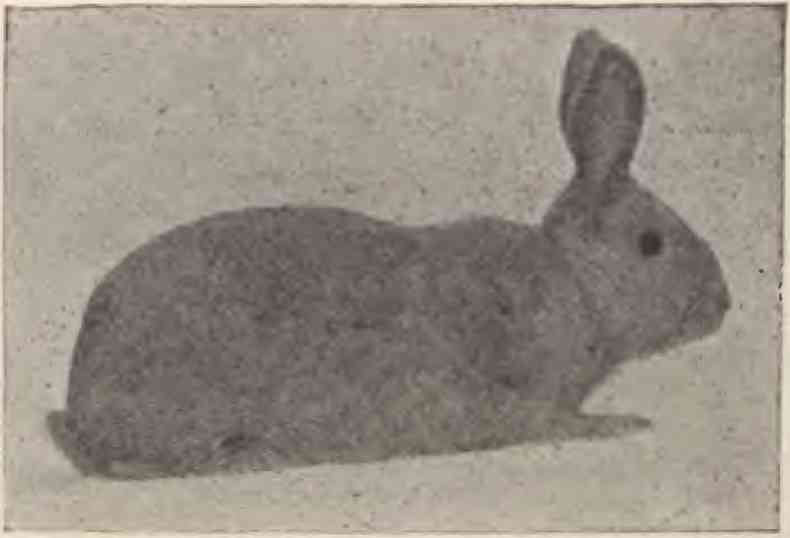
Lilac — Watch. Current Conservancy list, checked October 4, 2026.
A single recognized color does not mean a breed has no variation worth conserving. The Lilac's history can introduce readers to differences among breeding families, body type and regional standards while remaining careful about what has actually been measured. Conservation education should not equate a uniform-looking coat with low or high genomic diversity. Show how the population's name developed and why pedigree evidence remains important even when a photograph appears unmistakably dove-gray.
Sources behind this article
This is original Conservation Legacy teaching informed by the sources below. Follow the official material for the full account and its context.