
Market history and the survival of a working rabbit
Knowledge for understanding and preserving American Chinchilla.
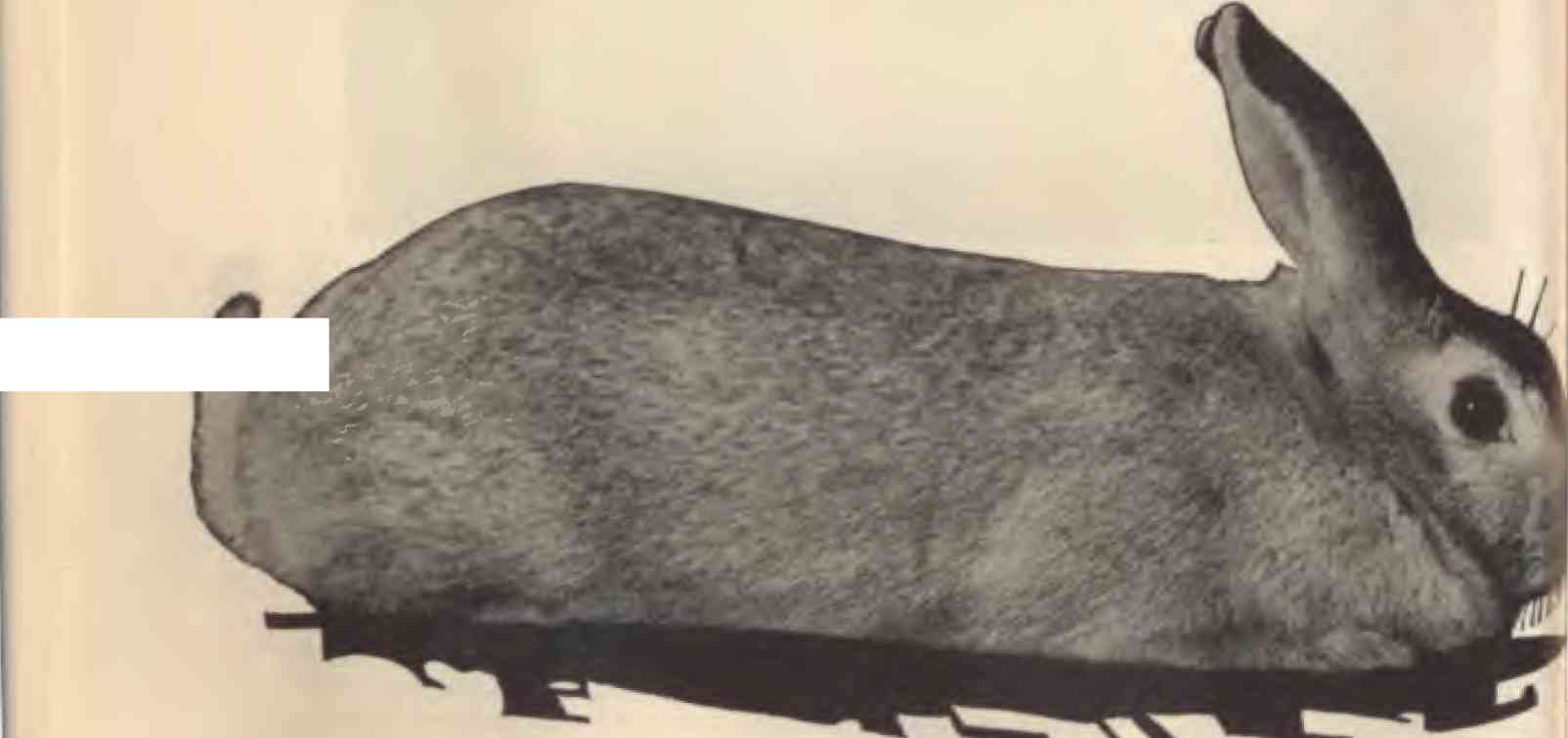
American Chinchilla — Watch. Current Conservancy list, checked October 4, 2026.
Declining demand for one product can threaten an entire breeding population even when the animal remains useful. The American Chinchilla illustrates why conservation should not depend on a single fashionable market. Teaching its history, supporting responsible keepers and maintaining identifiable families can help preserve options for future generations. A library should explain the agricultural transition without presenting fur production as a requirement for conservation or assuming every keeper shares the same purpose.
Sources behind this article
This is original Conservation Legacy teaching informed by the sources below. Follow the official material for the full account and its context.