
Proportion, size and a realistic feeding discussion
The Caspian's small horse-like proportions invite close study, but they do not specify its nutritional needs by themselves.
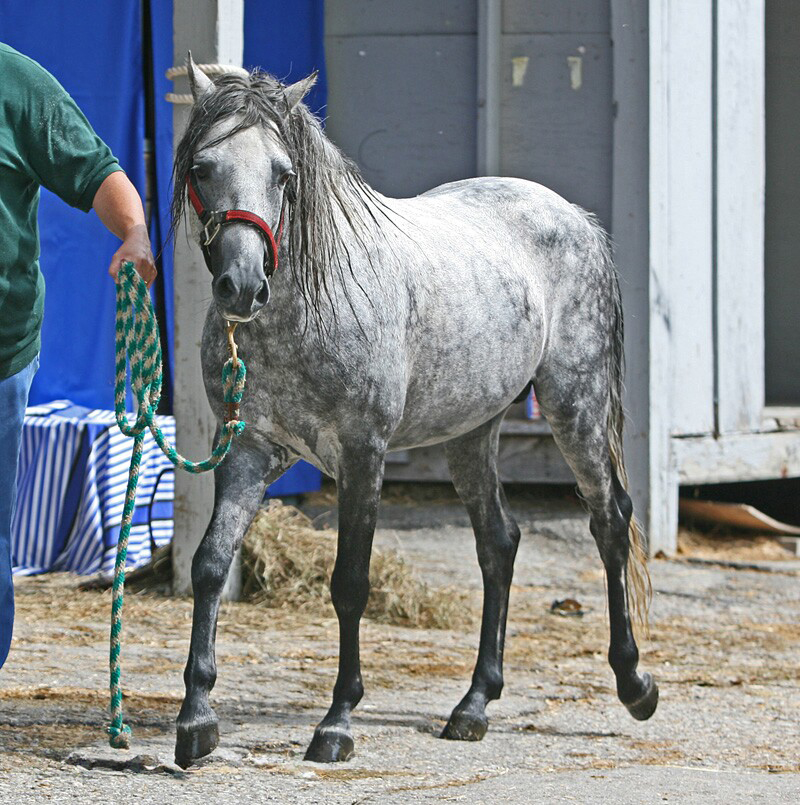
The Caspian's small horse-like proportions invite close study, but they do not specify its nutritional needs by themselves. A breed description explains type. A care plan needs to consider the individual animal's actual activity, life stage and current condition.
Merck relates equine nutrient requirements to these changing circumstances. Its general principles should be used through appropriate professional advice rather than converted into a breed-specific ration without evidence.
Ask how the horse has been kept and what work it actually performs. A young Caspian, a breeding animal and a trained driving horse may need different consideration. Small stature is also not a reason to extrapolate workload or rider suitability from another horse simply by scaling down its height.
Preservation benefits when small horses are described realistically. Correctly identified examples can show their abilities while acknowledging the preparation that made those activities possible. A long-term owner needs usable information about the actual animal, professional support and a manageable routine. That practical account adds substance to the breed's historical fascination instead of expecting ancient associations or an elegant outline to answer every care question.
Sources behind this article
This is original Conservation Legacy teaching informed by the sources below. Follow the official material for the full account and its context.