
A heavy domestic form with Asian ancestry
Knowledge for understanding and preserving African.
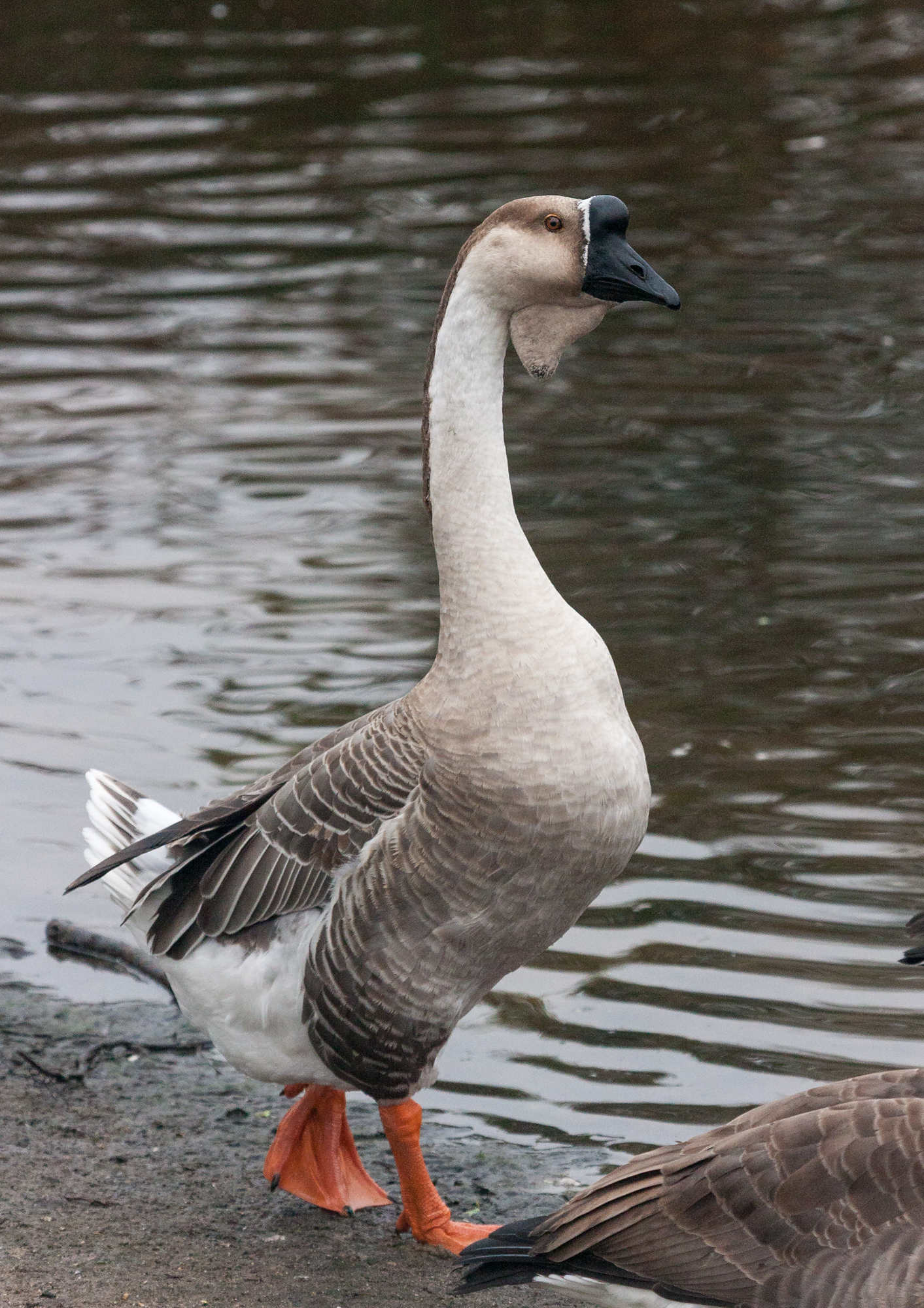
The Poultry Club distinguishes African and Chinese domestic geese from western domestic forms through Swan Goose ancestry, the prominent knob, and characteristic neck feathering. The African's soft dewlap and substantial body contribute to its own outline. An image should show those features together rather than identify the breed solely from a knob.
The club dates British standard recognition to 1982 while noting a much earlier British presence and American standardization in 1874. These are different historical milestones. Formal recognition does not mark the beginning of domestication or establish where the wild ancestor evolved.
Its account also explicitly calls the African name misleading in geographical terms. That makes the breed useful for teaching why a domestic name, an ancestral species, and a documented import history belong in separate fields. The name does not relocate the Swan Goose's Asian ancestry.
Sources behind this article
This is original Conservation Legacy teaching informed by the sources below. Follow the official material for the full account and its context.